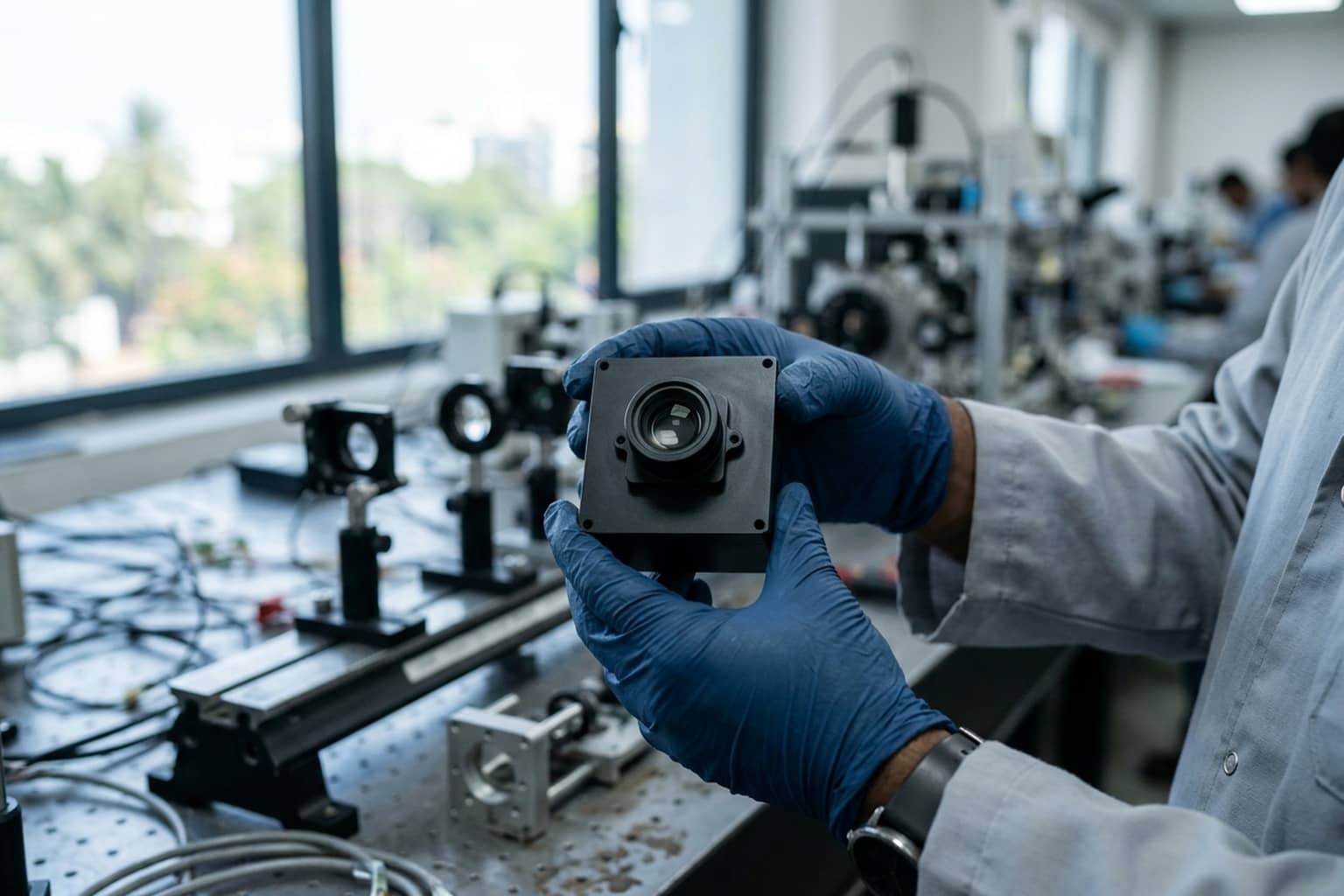
HYDERABAD: EON Space Labs, a Hyderabad company that builds optical and infrared imaging payloads, describes its aim as making advanced optics "more capable, accessible and mission-ready" using an indigenous approach. Its website lays out three product series for space, air and ground, plus a short list of milestones. This explainer sets out what the company says it makes, using only its own pages.
Three product series, one optical chain
The company's pitch is compact EO/IR payloads. EO/IR stands for electro-optical and infrared, the cameras and sensors used to observe in visible light and heat. It says it works across what it calls three operational domains: space, aerial and ground.
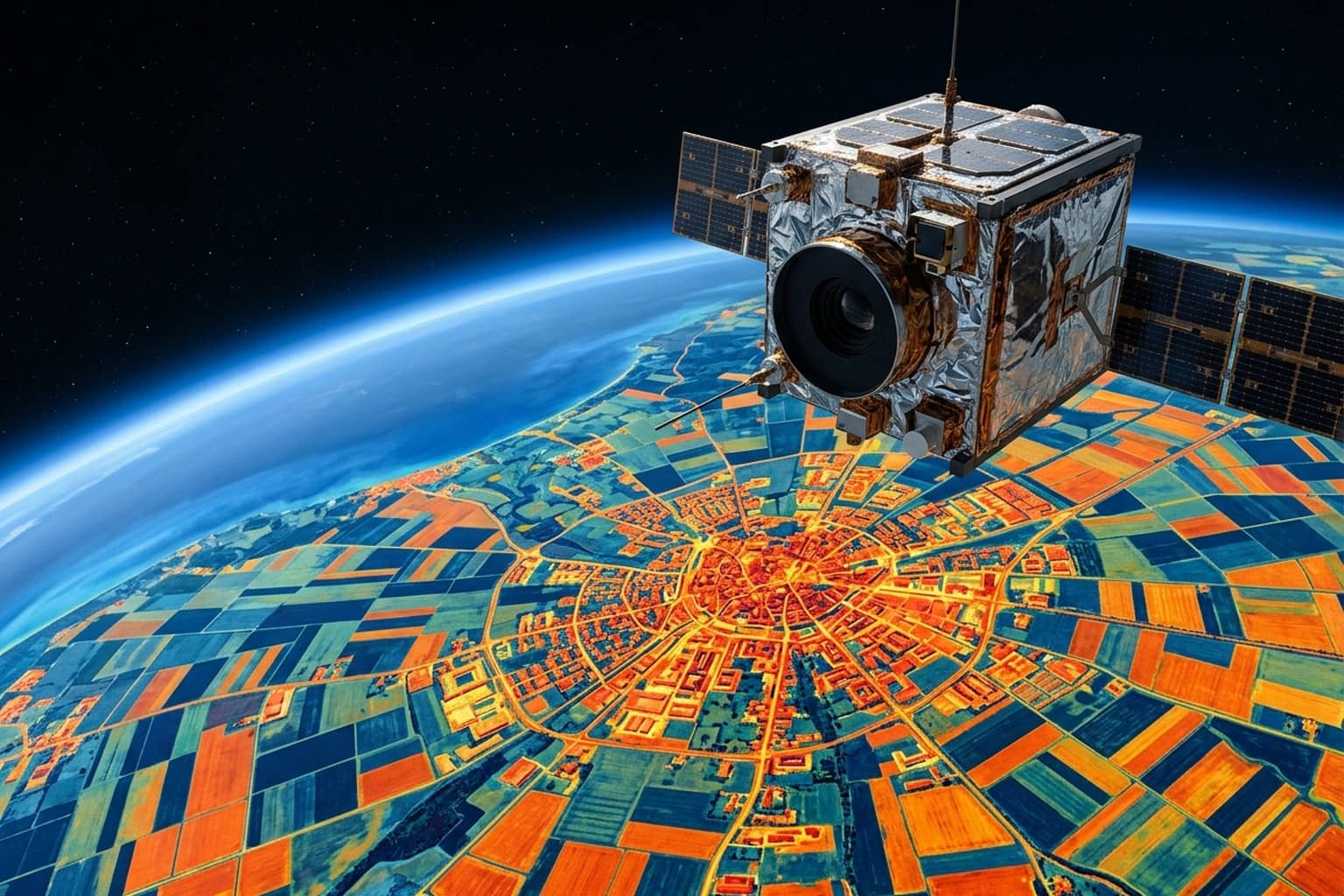
The space range is called MIRA. The website describes ultra-compact optical telescopes for smallsats and cubesats, with a flagship that weighs under 500 g and images in 9 spectral bands across the visible and near-infrared range. The aerial range, called LUMIRA, covers gimbaled EO/IR payloads for drones, including the E40I50 and the E10I19. The ground range, called RAVEN, covers fixed EO/IR payloads, including one with 36x optical zoom and a 50 mm long-wave infrared lens. The company says its aerial and ground products comply with the MIL-STD-810H environmental standard and EMI/EMC requirements.
The home page also carries two headline numbers. One is 85 percent indigenous content, and the other is a payload weight reduction of up to 70 percent. The pages reviewed do not explain what the weight reduction is measured against, so both should be read as company claims.
Founders and timeline
The About page names three co-founders: Sanjay Kumar, Punit Badeka and Manoj Kumar. It says the company was established in Hyderabad in 2022 to work on monolithic optical systems for space-based imaging, and that it was selected as a winner of iDEX Open Challenge 4.0 for MIRA, aimed at defence and naval surveillance uses.
The company also reports that it raised $1.2 million in Pre-Series A funding led by MountTech Growth Fund-Kavachh. The About page and the home page place that round in different years, so no year is given here. The About page adds that in 2025 it expanded into integrated solutions across space, aerial and ground applications, with a focus on defence and surveillance, and that 2026 brought a major space milestone with MIRA and the commercialisation of its aerial products.
The space milestone
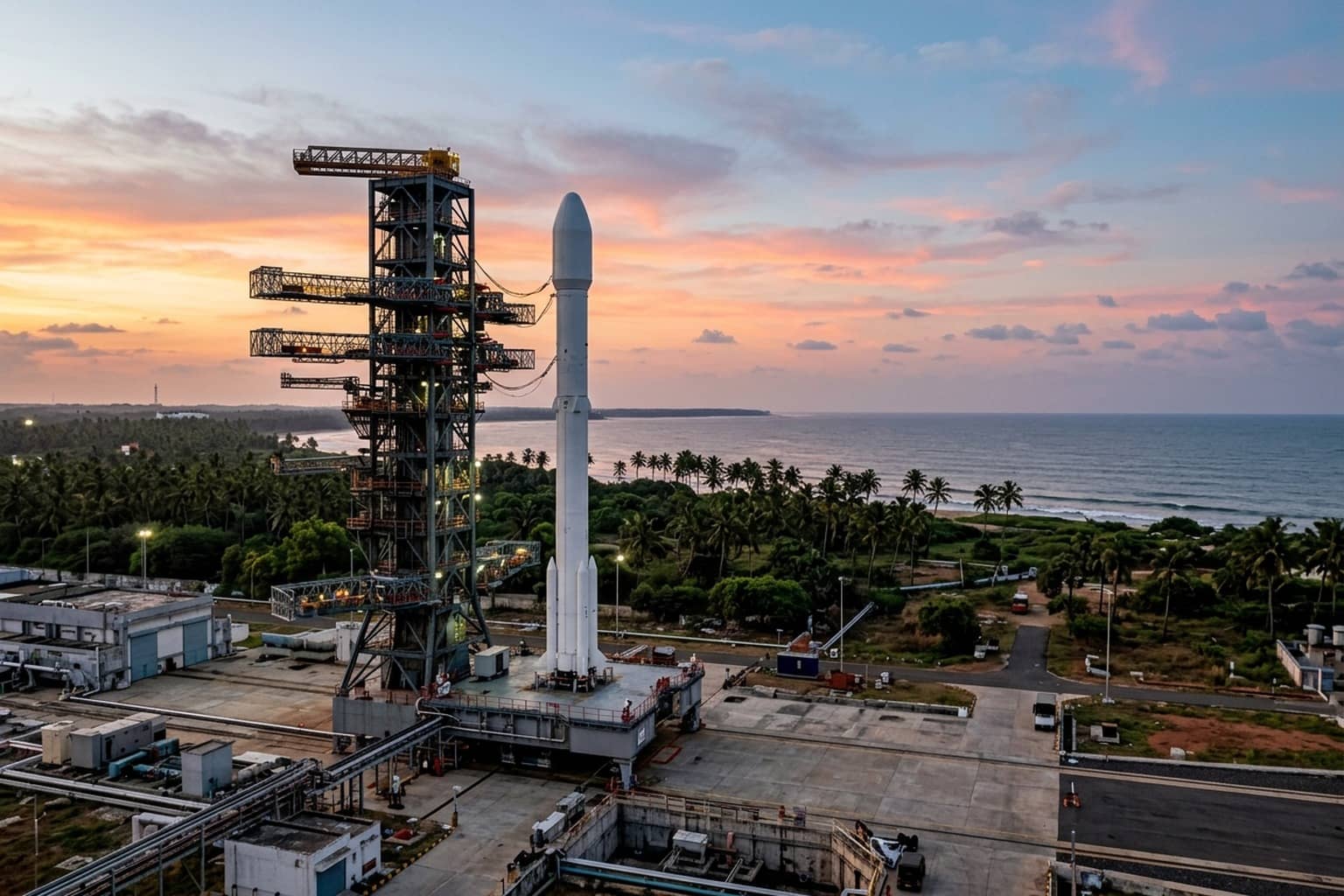
That milestone is listed on the home page. EON says its MIRA payload was integrated aboard TakeMe2Space's MOI-1 satellite for the PSLV-C62 mission, and the page lists the company's next launch as the fourth quarter of 2026. The pages reviewed do not publish imagery or performance data from the payload, and Dalimss News has not independently verified the mission status.
The company also runs a blog. Posts on the website discuss India's dependence on imported zoom lenses and the supply of germanium, a material used in thermal imaging optics, and argue for domestic capability. These are the company's views.
The About page states a vision of becoming a globally recognised Indian technology company in optical imaging and intelligent sensing. For now, the verifiable picture is of a young hardware company with a defined product line, a defence innovation recognition and one space integration to its name.