NOIDA / DELHI-NCR: Quanastra builds superconducting nanowire single-photon detectors, custom cryogenics and related photonics hardware for quantum and research buyers. The company's About page describes tabletop systems, rack-mounted plug-and-play units and custom builds with up to 16 channels, each with SNSPD chips and RF electronics.
On 26 September 2026, Hathor Rockets' funding announcement named Quanastra among the first four portfolio companies of IITM Unicorn Frontier Fund I, alongside Hathor, TRIOLT Energy and Carbelim, at the fund's Rs 450 crore first close unveiled at Sangam 2026. That places Quanastra inside India's university-linked deep-tech capital push even when Quanastra's own site leads with products rather than a funding blog post.
What SNSPDs are for
Single-photon detectors are the eyes of many quantum communication, quantum computing readout and faint-light sensing setups. Superconducting nanowire devices need cryogenic cooling and careful electronics. Quanastra sells into that stack: detectors, cryogenic systems, optical and superconducting thin films, and cryoelectronics, per its site.
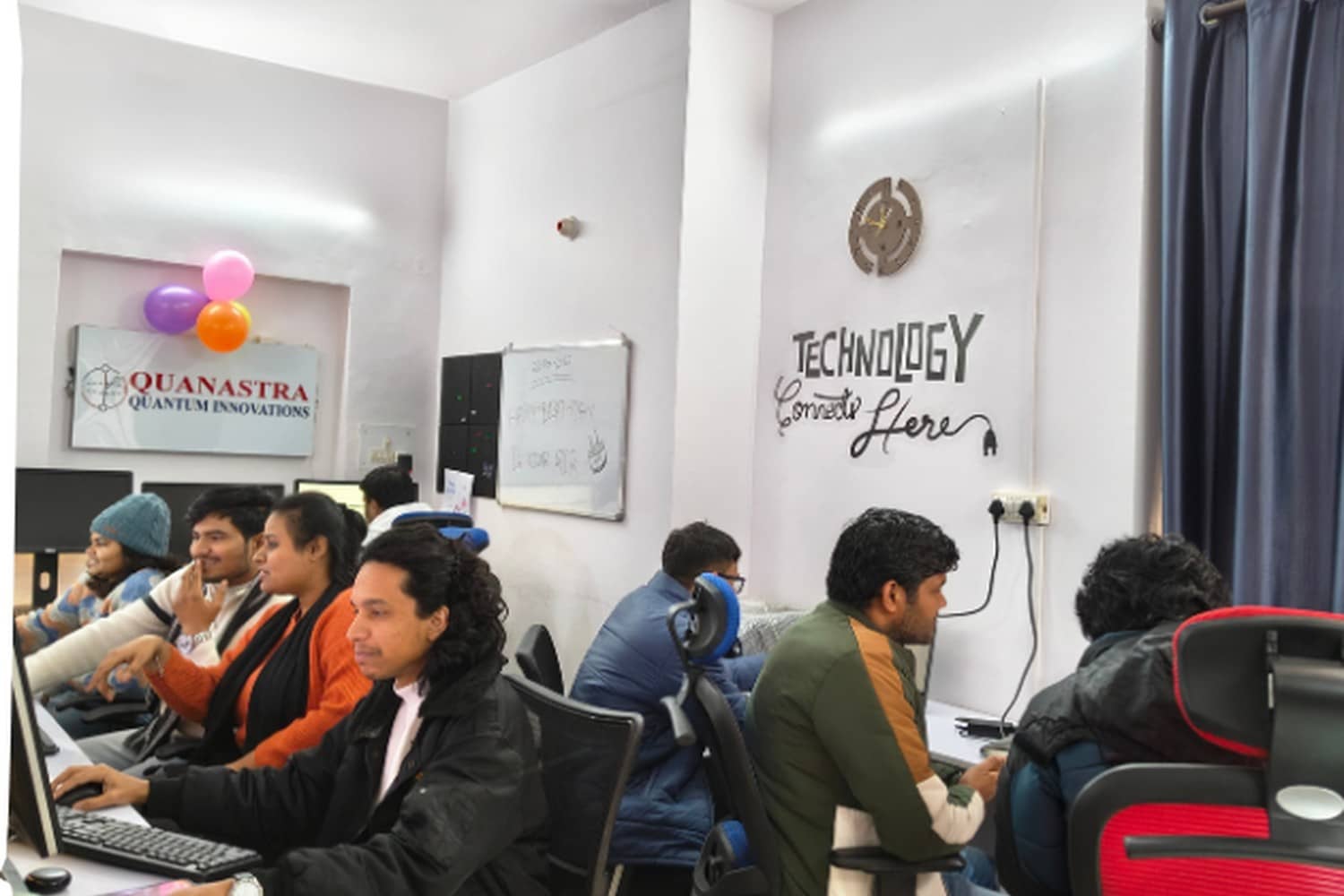
Contact lines listed include info@quanastra.com and sales@quanastra.com, with a phone number on the About page. Product photography on the site shows laboratory and office settings rather than consumer gadgets, which fits a deep-tech hardware seller.
Where it sits in the Indian deep-tech map
Photon detection is a niche, but it is a bottleneck niche. Labs and start-ups building quantum key distribution or optical quantum processors need reliable detectors without importing every subsystem. Quanastra's bet is that Indian-built SNSPD systems can serve domestic and export research customers.
Dalimss coverage of neighbouring deep-tech names includes Pixxel's imaging satellites and IIT Madras's Unicorn Frontier Fund first close. Quanastra is on the component side of that ecosystem: the sensor that makes quantum light experiments work.
What the public pages do not say
Neither the About page nor the Hathor release publishes Quanastra's cheque size from the IITM fund, revenue, or a customer list. Buyers will care about detection efficiency, dark count rates, timing jitter and how long a cryostat runs without fuss. Those figures belong in datasheets, not in a news brief.
For now, Quanastra is a specialised Indian quantum-photonics hardware company that has been publicly named in the IITM Unicorn Frontier Fund's opening cohort. The next proof points are shipped systems and repeat research customers.
Quantum hardware supply chains are still global and fragile. Cryostats, amplifiers and detector chips often travel across borders with long lead times. An Indian vendor that can ship a rack-mounted SNSPD system with documentation and support is useful even to labs that also buy foreign gear, because it shortens repair cycles and training time.
Quanastra's public materials emphasise customisation: channel counts, chip selection and RF electronics matched to an experiment. That is a services-heavy hardware model. It scales differently from a single SKU consumer device, and it needs application engineers as much as cleanroom capacity.
Being named in the Unicorn Frontier Fund cohort does not by itself disclose how much capital Quanastra received. Treat the cohort listing as confirmation of institutional selection, then watch for a company-issued funding note if and when Quanastra wants the cheque size public. Until then, the product pages are the safer primary source for what the company actually sells.
Training and documentation will decide whether Quanastra systems stay in use after the first paper is published. University labs rotate students; a detector that only one postdoc can keep cold will be switched off. Rack-mounted and tabletop options on the site suggest the company knows that usability is part of the product.
India's National Quantum Mission and related programmes have also spotlighted domestic detector and cryogenics capability in broader policy conversations. Quanastra's commercial site does not need to recite every scheme to be relevant. The practical question for buyers remains lead time, performance specs and service, which only quotes and datasheets settle.
For Indian researchers who previously waited months for imported detector modules, a local alternative with phone and email support is already valuable even before any fundraise headline. Quanastra's listed contacts make that support path explicit.