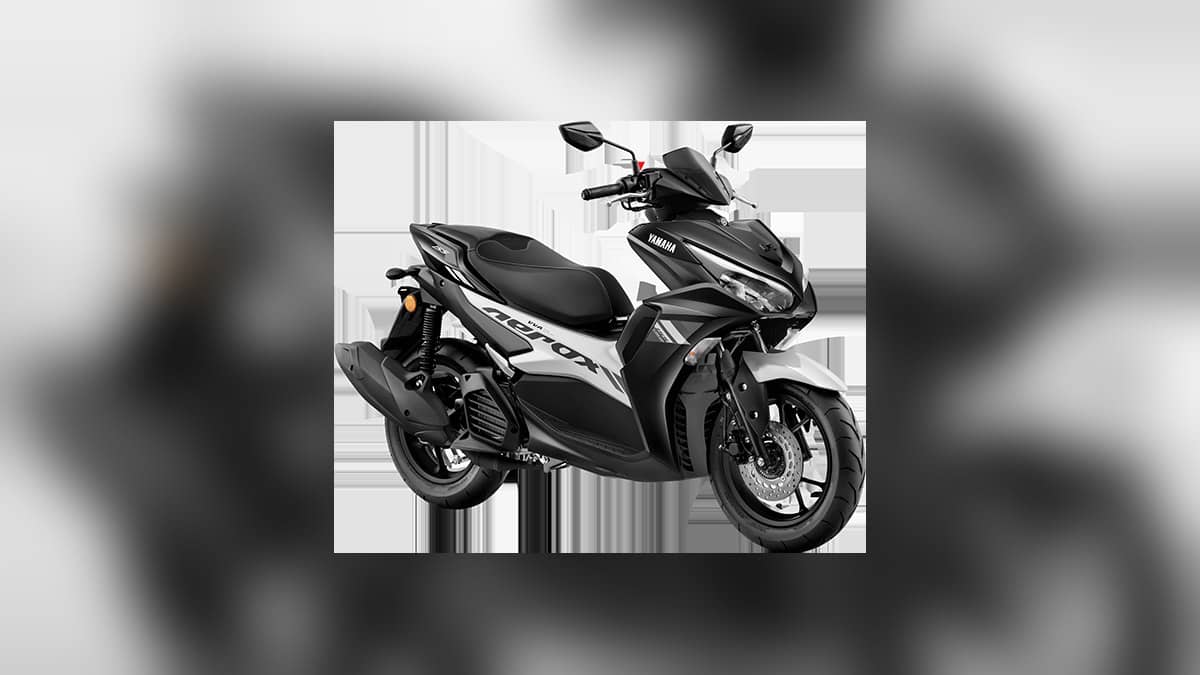
NEW DELHI: Yamaha says the Aerox 155 changes between its two intake-valve cam profiles at 6,000 rpm. That is the operating point given for its Variable Valve Actuation system, or VVA. It explains part of the scooter's engine design, rather than specifying a road speed at which the rider must do something.
| Aerox engine item | Yamaha specification |
|---|---|
| Displacement | 155 cc |
| Engine layout | Liquid cooled, SOHC, four valves |
| VVA arrangement | Two intake valve cams |
| Cam change point | 6,000 rpm |
| Maximum power | 11.0 kW (15.0 PS) at 8,000 rpm |
| Maximum torque | 13.9 Nm at 6,500 rpm |
| Transmission | V-belt automatic |
What the two cam profiles are for
Yamaha describes one intake cam for low to middle engine speeds and another for high engine speeds. Its stated purpose is to maintain useful power and torque across the rev range. Read that as the manufacturer's explanation of the design, without treating it as a measured comparison against another scooter.
The useful distinction is between engine speed and vehicle speed. The figure in the headline is expressed in revolutions per minute. A speedometer reading uses a different measurement. Yamaha's page does not provide a corresponding road-speed threshold, so translating the change point into a particular speed would add an unsupported claim.
For an Indian commuter looking through scooter specifications, this also explains why a single displacement figure is an incomplete description. The Aerox engine entry includes its cooling arrangement, valve layout and VVA system. Those details describe how the engine is configured, even before a rider considers its maximum output figures.
Read the output figures with their engine speeds
The peak power and torque entries each include a corresponding rpm figure. Preserve those pairings when comparing specifications. Quoting only the larger output number can hide the fact that the table describes a peak at a stated engine speed, rather than output available identically throughout every journey.
Equally, the cam change point is not itself a second power rating. The three entries answer different questions: how the intake arrangement changes, where maximum torque is specified and where maximum power is specified. Keeping them separate makes the product sheet more useful than reducing everything to a claim that the scooter becomes faster at a particular point.
Yamaha lists an automatic V-belt transmission. An owner reading about VVA should therefore avoid confusing a change in engine valve operation with an instruction to perform a manual gear change. The feature description is about the engine's intake system, while the transmission entry describes a separate part of the powertrain.
Keep other engine features in their own roles
The same official page lists a Smart Motor Generator and an automatic stop-and-start system. Yamaha describes the former in relation to starting and the latter in relation to reducing idling. Neither description changes the stated VVA operating point. A brochure can group several technologies under performance even when they address different moments in a journey.
That matters in mixed city use. Waiting at a traffic signal, pulling away and travelling on an open stretch are different situations to discuss during a demonstration. Ask the representative to explain the relevant feature in each case, rather than using the VVA badge as a general explanation for every sensation or sound.
This article explains the published specification; it does not report a road test. The official entries do not establish a measured acceleration time, a guaranteed fuel-economy result or how noticeable the cam transition will feel to every rider. Those claims would require evidence beyond the engine table.
Put the engine information beside everyday practicality
A scooter used daily still needs to fit the rider's ordinary tasks. Our Aerox storage guide addresses carrying space, while the Y-Connect setup explainer covers the phone connection. These are separate ownership questions from how the intake cams operate.
Readers checking optional equipment can consult the Aerox accessories list. Keep such additions separate from the standard engine specification when reading a quotation or a product description. The VVA figure belongs to the engine explanation, not an accessory package or a promised riding result.
Official source: Yamaha Aerox 155 features and specifications, checked on 3 November 2026.