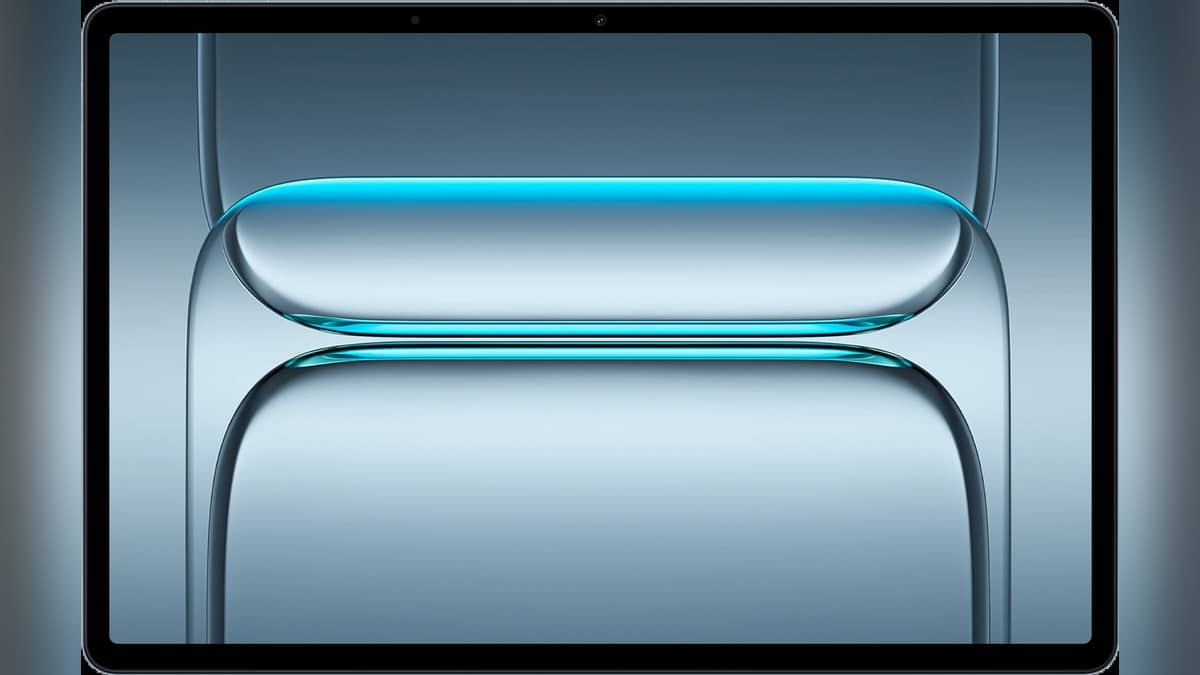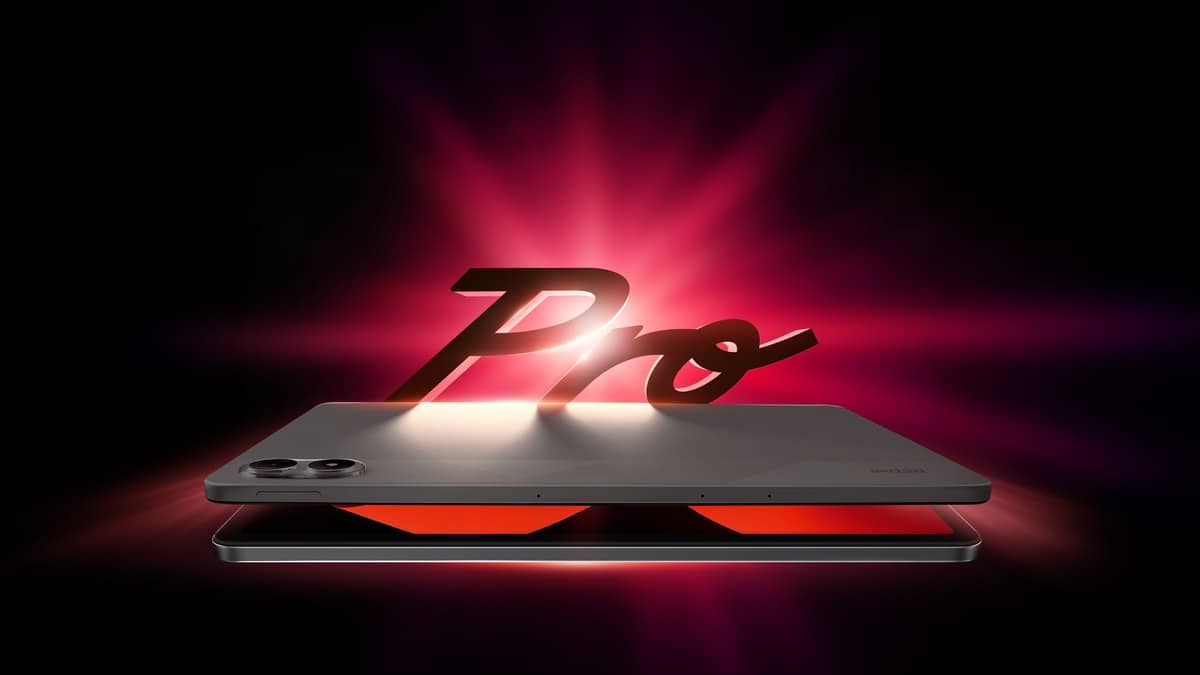
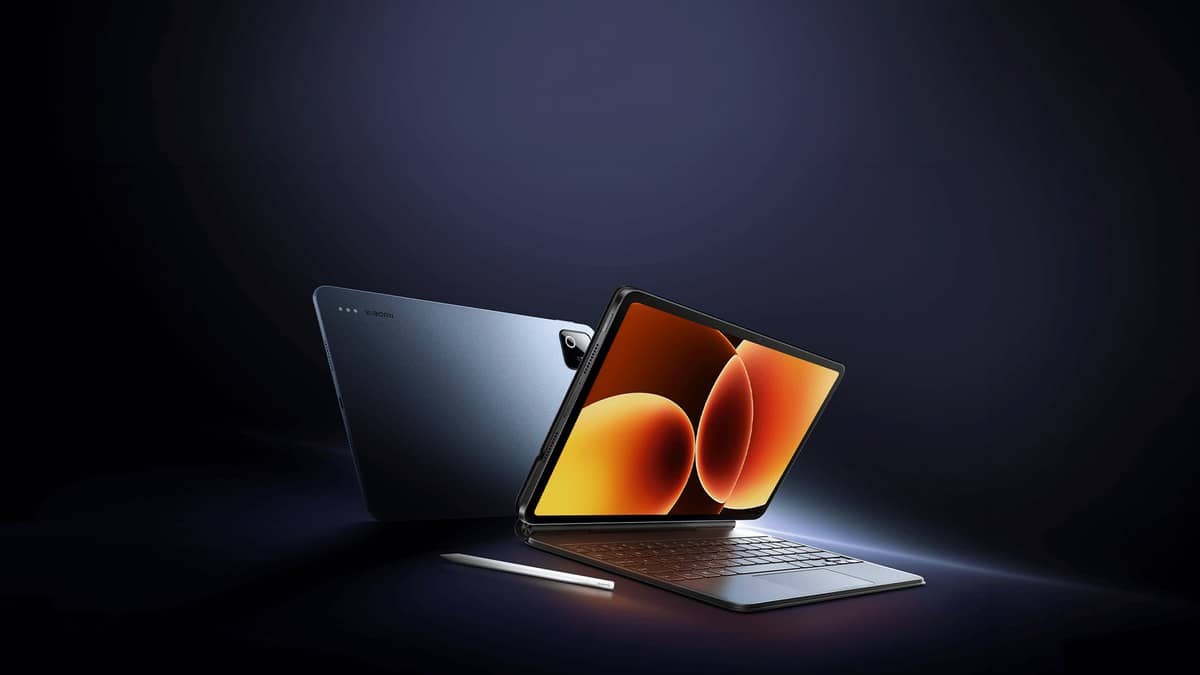
NEW DELHI: The Xiaomi Pad 8 supports USB 3.2 Gen 1 data transfer at up to 5Gbps, but Xiaomi says the cable supplied in the box does not support USB 3 data transfer. Owners planning a wired file-transfer workflow need to account for a separate compatible data cable, even though a USB Type-C cable is already supplied.
| Connection detail | What Xiaomi specifies |
|---|---|
| Tablet data interface | USB 3.2 Gen 1, up to 5Gbps |
| Included cable | Does not support USB 3 data transfer |
| USB 3 data cable | Purchased separately |
| Tablet charging | 45W maximum |
| Included adapter | 67W |
| Typical battery capacity | 9,200mAh |
The footnote changes the contents of a work bag
The distinction is particularly relevant to the way Xiaomi presents this tablet. Its product page highlights workstation use, a Snapdragon 8s Gen 4 processor and a high-resolution screen. Someone assembling a setup for moving project files between a computer and tablet could reasonably look at the fast interface and assume the supplied cable completes that setup. Xiaomi's footnote says otherwise.
This does not mean the tablet lacks the advertised interface. It means the tablet's interface capability and the accessory in its retail package are different specifications. Keeping those two facts separate is more useful than describing the whole device as either fast or slow on the basis of the cable alone.
For a student carrying lecture recordings, presentation assets or a folder of scanned notes, the practical question is which connection will actually be used. A plan built around wired transfers needs a cable check. A workflow using a wireless service raises different questions about that service and the available connection.
Read the data specification before testing a cable
The first check is the cable's stated data capability. The connector's shape is not the missing information in Xiaomi's warning: the company already identifies the supplied accessory as a Type-C cable. What it explicitly withholds from that accessory is support for the faster data-transfer standard named in the tablet specification.
The next check is the rest of the proposed setup. The Pad 8's published figure is an interface ceiling, not a measured result for a particular computer, drive, folder or application. A transfer-time promise would need evidence about that entire arrangement. Xiaomi's specification alone cannot provide it.
When assessing an existing setup, keep a record of which cable and computer connection were used. Changing several parts at once can make a transfer feel quicker without showing which change mattered. A repeatable task with the same files offers a clearer comparison than judging different transfers by memory.
Our Xiaomi 165W vs 5i 67W price: 5i starts lower at Rs 3,199 looks at another specification that can hide beneath a shared model name. Storage inside a tablet and the connection moving files into it belong to different parts of a workflow.
Power ratings need a separate reading
The Pad 8 package contains another pair of figures that should not be collapsed into one. Xiaomi lists a 67W adapter in the box, while the tablet supports a maximum charging power of 45W. The adapter's higher rating is not an instruction to describe this tablet as charging at that higher figure.
Likewise, the adapter rating does not answer the cable's data-transfer question. A charging specification concerns power; the USB interface entry concerns data. For the Pad 8, Xiaomi has supplied explicit information about both, including the cable limitation, so there is no need to infer one from the other.
Readers can compare the reasoning with our Why Xiaomi Pad 7 uses UFS 3.1 at 128GB and UFS 4.0 at 256GB. That report concerns a different charging system, but reinforces the need to check the accessory rather than relying only on a product headline.
What the hardware can and cannot establish
Xiaomi's product page also promotes a 3.2K display and a productivity-focused software experience. Those features may explain why an owner wants to bring work files onto the device. They do not remove the cable requirement, establish compatibility with every peripheral, or turn the interface ceiling into a guaranteed sustained transfer rate.
Our earlier Xiaomi 17 series price list: 17T Rs 69,999, Xiaomi 17 Rs 89,999, 17 Ultra Rs 1,39,999 provides separate context on that named package. This cable explanation concerns the official Pad 8 hardware footnote and does not extend any previous sale terms.
Official sources: Xiaomi Pad 8 specifications and Xiaomi India product page.