Varanasi to Develop Kapi-Van With Fruit Trees to Reduce Monkey Attacks
Varanasi, June 29, 2026: The forest department is planning to develop a dedicated Kapi-Van outside Varanasi to reduce monkey movement into residential areas and check the rising problem of monkey attacks, officials said.
The proposed habitat will include fruit-bearing and shade-giving trees so that monkeys can find food and shelter away from densely populated parts of the city. The project is expected to begin in the first week of July, though detailed official project documents are awaited.
The plan links public safety with habitat restoration. Instead of focusing only on deterrence, the department is looking at food availability and green cover as part of the long-term response.
Fruit-Bearing Habitat Planned Outside City
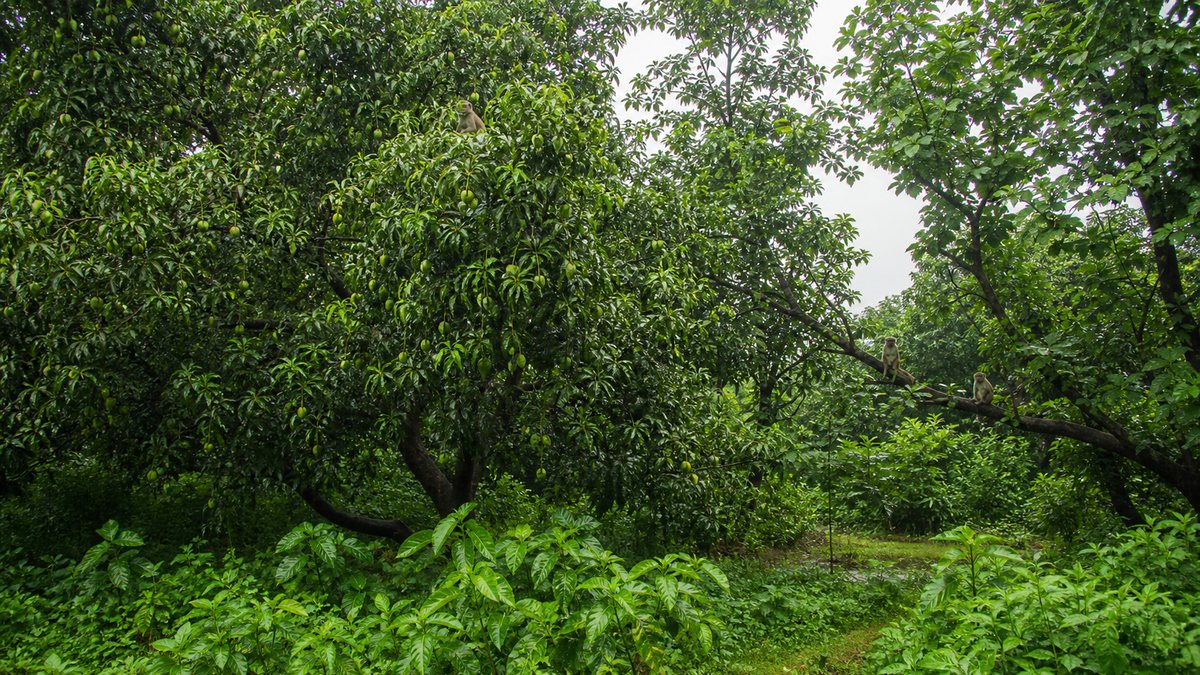
Reports said the Kapi-Van will be developed outside populated areas. The idea is to create a natural space where monkeys can remain close to food sources, reducing the pressure that pushes them toward homes, markets, schools and temple areas.
Divisional forest officer Nidhi Chauhan was quoted as saying that fruit-bearing and shade-giving species would be planted on a large scale. The preferred trees reportedly include mango, jamun, guava, bel, gular, jackfruit, ber, mulberry, peepal, fig and other species useful for food and shelter.
Why Monkey Attacks Have Increased
Varanasi residents in several neighbourhoods have reported monkey nuisance and occasional attacks. A major reason cited by officials is the shrinking of natural habitat and food sources. When tree cover decreases, monkeys are more likely to enter residential areas in search of food.
Unmanaged feeding, open garbage and dense construction can also worsen conflict in urban settings. While every locality faces different conditions, experts generally stress that wildlife conflict cannot be solved by one action alone.
Trees to Provide Food and Shelter
The selection of fruit-bearing trees is central to the proposal. If the forest matures into a dependable habitat, monkeys may have less incentive to move into residential lanes. Shade-giving trees would also support nesting, rest and movement within the habitat.
However, results will depend on site selection, survival rate of planted trees, water availability, maintenance and whether the habitat is large enough to support monkey groups over time. Officials are expected to share further details once implementation begins.
Environmental and Civic Benefits
The Kapi-Van plan also has a green-cover component. A well-maintained grove could support biodiversity, improve local ecology and create a buffer between urban settlement and wildlife movement.
For Varanasi, the project will be watched closely because monkey conflict affects both daily life and tourism zones. If implemented carefully, it could become an example of civic problem-solving through habitat improvement rather than short-term reaction alone.
Dalimss News will update this report when the forest department releases the final site, timeline and implementation details.
Related Stories

Rain-Soaked Ramnagar Stages Ram’s Birth on Ramlila Day Two

IMS-BHU Workshop Pushes Early Autism Assessment With ISAA Training
CP Orders Women-Crime Cell, Early Security Plan for Air Show and MLC Poll

BHU Signs MoU With VCA Healthcare for Herbal Formulation Research

Lanka Police, NDRF Search Ganga After Teen Drowns at Ravidas Ghat