
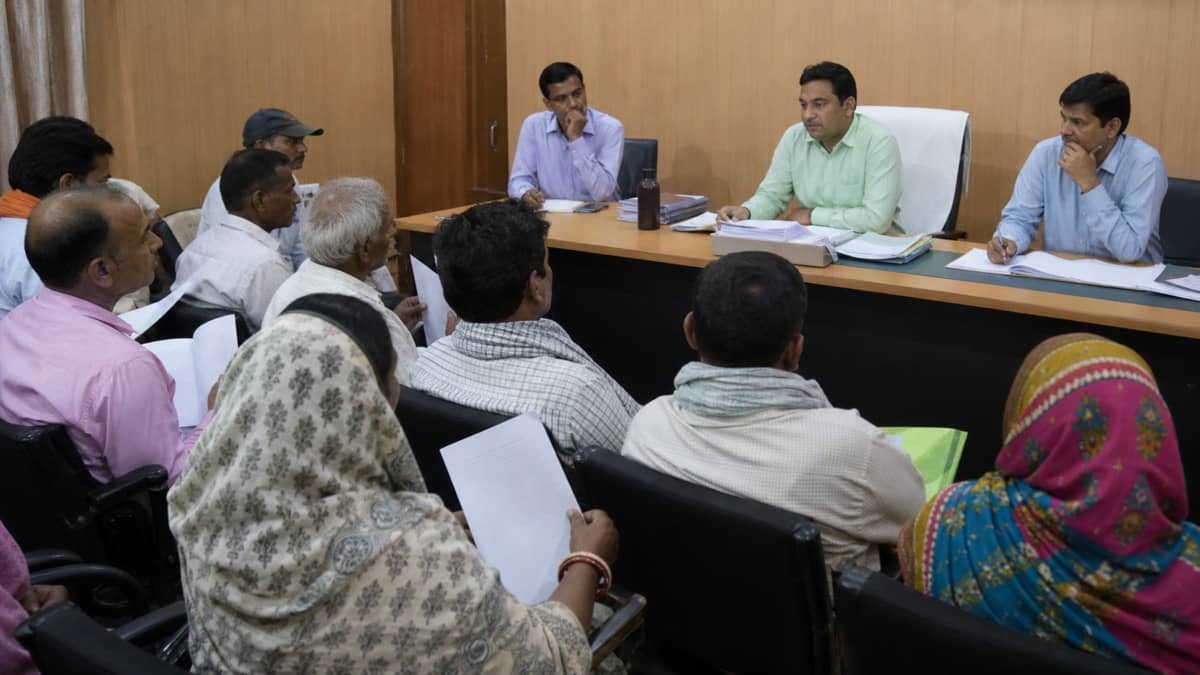
Residents of Rohania now have a fixed weekly window to take civic complaints directly to the mayor, with a Monday public hearing started at the municipal office in the area. The initiative adds a second predictable point of contact to the mayor’s weekly schedule, alongside the hearing held at the parliamentary office on Tuesdays. The value of the new arrangement will depend on what happens after an application is received, not merely on the number of people photographed in the room.
Rohania’s residents deal with a mix of fast-growing urban settlements and older village infrastructure: drains that no longer match construction density, broken roads, sanitation gaps, streetlights, property records and waterlogging. Travelling into central Varanasi to pursue a small complaint can consume a working day. A local hearing reduces that friction and allows officials to see patterns that may look isolated in individual files but are clearly connected across a ward or neighbourhood.
For the hearing to work, every complaint should receive a dated acknowledgement, a department assignment and a realistic response deadline. A resident should not have to return each Monday simply to learn whether a paper moved from one desk to another. The corporation can publish a short dashboard showing complaints received, resolved, pending and overdue, while protecting personal information. That would turn accessibility into accountability.
Officials attending the hearing need enough authority to act. If all decisions are deferred to headquarters, the Rohania desk becomes a post box. Engineers, sanitation supervisors, tax officers and zonal staff should join when their subjects dominate the list. Urgent hazards—open manholes, live wires near water or collapsed drains—need same-day escalation, while complex land and tax cases may require written hearings and document checks.
The format should also remain accessible to people who are not confident writing formal applications. A help desk can record the complaint in plain language, list the documents actually required and prevent middlemen from charging residents for routine access. The hearing must not become a platform where only organised groups or politically connected applicants are heard. Queue tokens and published timings can keep the process fair.
A weekly meeting cannot replace functioning ward offices, but it can reveal where those offices fail. The mayor should use the Rohania hearing as both a grievance service and a management tool: identify repeated bottlenecks, assign responsibility and check whether promised work was completed. If residents begin receiving traceable outcomes, Monday at Rohania could become one of the corporation’s most practical reforms.
Varanasi Mayor Starts Weekly Monday Public Hearing at Rohania Office
By Harsh Mehra2 min read
About the author
Harsh Mehra
Harsh Mehra reports for Dalimss News. 1261 stories on Dalimss News, most often in India.
Sources and reporting
Fresh announcement from the official Varanasi Municipal Corporation channel; schedule details are reported as announced and may be updated by the civic body.
Latest
- Gurugram police update lists 73 firecracker cases across four zones
- Varanasi Haj 2027: 85 passport entries need fresh scans
- Gurugram based Honasa reports 36% quarterly revenue growth
- Gurugram children study birds and habitats on Bhondsi Forest walk
- Varanasi railway hospital reviews medical waste handling on November 7
Related Stories

India
Gurugram police update lists 73 firecracker cases across four zones

India
Varanasi Haj 2027: 85 passport entries need fresh scans

India
Gurugram based Honasa reports 36% quarterly revenue growth
India
Gurugram children study birds and habitats on Bhondsi Forest walk
India
Varanasi railway hospital reviews medical waste handling on November 7
India