
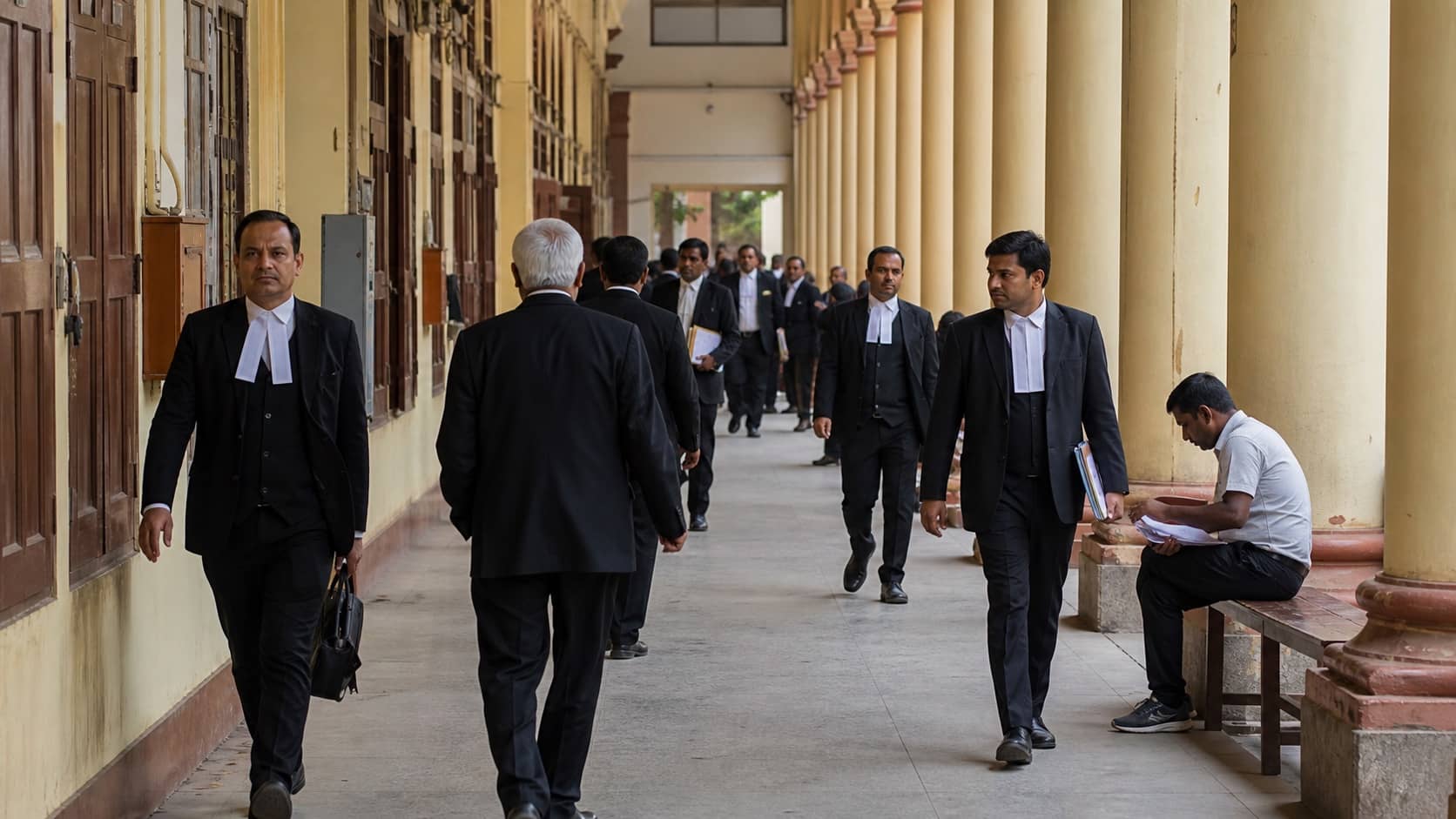
Eleven people convicted in minor cases in Varanasi over the past two years were sentenced to remain in court until the day’s proceedings ended, alongside fines ranging from ₹200 to ₹700. The orders illustrate a little-understood form of punishment: “till the rising of the court.”
Under such a sentence, a convicted person remains in the courtroom’s custody until the judge concludes the sitting. It may last only a few hours and does not require a conventional jail term, but it is still a sentence following conviction. The court can pair it with a fine, as happened in the cases reported here.
The matters included minor offences such as gambling, attempted theft, a roadside altercation, threats and objectionable comments. Special prosecutor Santosh Kumar Singh said one Shivpur gambling case carried a ₹200 fine, while an older Arms Act matter resulted in a ₹700 fine. The precise order in each case depends on its facts, plea, record and applicable law.
The light sentence should not be confused with acquittal. A conviction remains part of the legal record and can carry consequences beyond the hours spent in court. At the same time, sentencing is expected to be proportionate. For a minor offence, especially an old case with limited harm, a court may decide that brief custody and a fine meet the purpose of punishment without adding the social and financial costs of imprisonment.
These orders also highlight the time taken by small cases in a busy justice system. When a low-level matter remains pending for years, the process itself can impose repeated travel, legal expense and uncertainty. Swift resolution, where evidence and procedure allow it, serves both the accused and the public.
There is no automatic formula for a “till rising” sentence. More serious conduct, repeat offending or aggravating circumstances can justify a different outcome. Judicial discretion must operate within statutory limits, and the order should explain the basis for the punishment imposed.
For the 11 convicts, the immediate restriction ended when the court rose, but the cases did not vanish. The combination of conviction, a short custodial period and a modest fine reflects the principle that punishment should match the gravity of an offence. It is a small but revealing part of how trial courts manage minor wrongdoing without treating every conviction as a reason for a prison term.
Public understanding of such sentences also matters. A headline about ‘standing in court’ can sound trivial, but the legal effect lies in the conviction and formal punishment, not in the physical discomfort of waiting for the judge to rise.