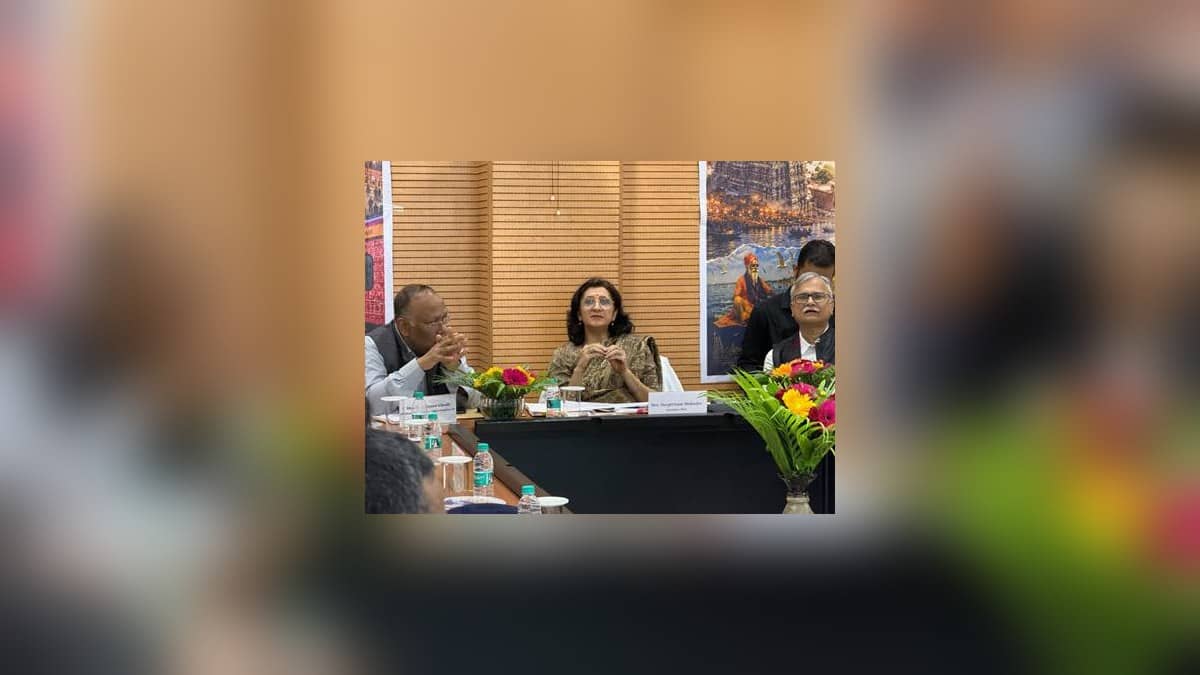
VARANASI: A preparation meeting at Banaras Hindu University on Tuesday, November 3, 2026, reviewed railway arrangements, district coordination and facilities for Kashi Tamil Sangamam 5.0, according to a Ministry of Education release issued on Wednesday, November 4. Officials also inspected venues including Namo Ghat. This is a new preparation update after the student portal launch, as reported earlier on dalimss.news.
For Varanasi colleges and their students, the immediate action is to check the official institutional participation process rather than treat the meeting as an open invitation to join a visiting delegation. The programme portal sets November 15 as the deadline for institutions to register, followed by assessment and nomination stages. BHU is the nodal coordinating institution for the Kashi side of the event.
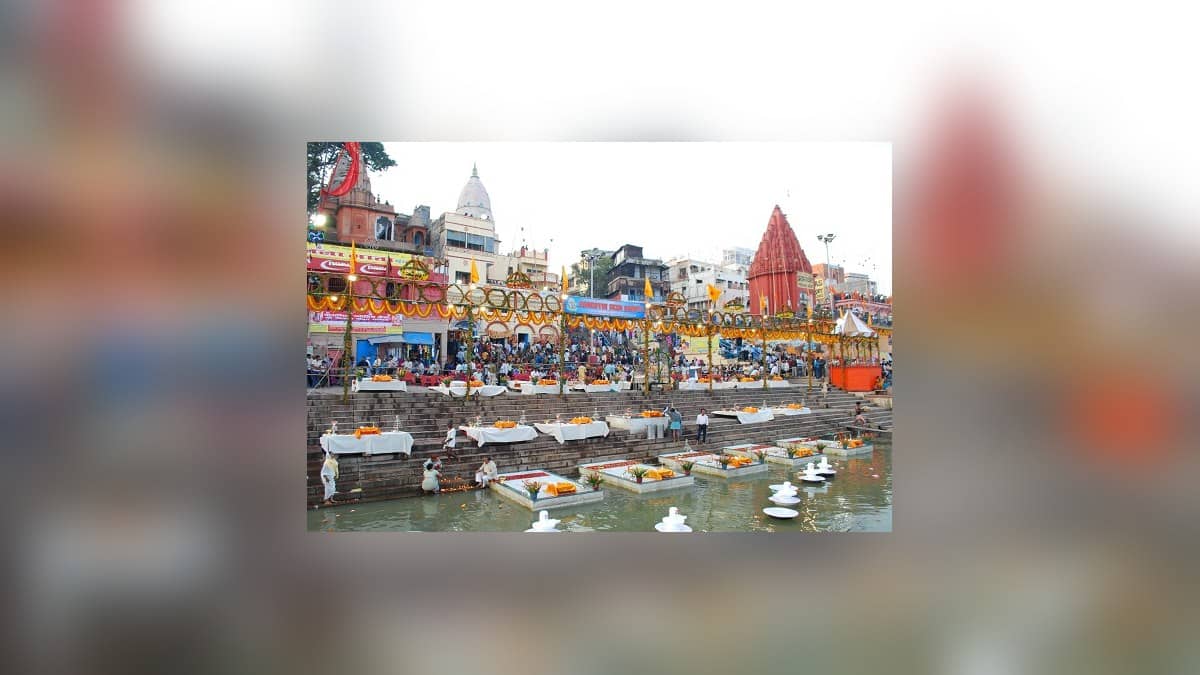
For residents and visitors around Namo Ghat, the new release records an inspection of operational readiness. It does not provide a public traffic diversion, a street closure timetable or an admission arrangement for individual cultural programmes. Journeys to specific venues should be planned against subsequent official instructions when those details are available.
What the BHU meeting reviewed
Higher Education Secretary Deepti Gaur Mukerjee chaired the meeting. BHU vice chancellor Ajit Kumar Chaturvedi and Uttar Pradesh Additional Chief Secretary for Higher Education Amit Kumar Ghosh attended, along with officials from the Union education ministry, state government, district administration, university and Indian Railways.
The ministry's November 4 release, posted at 8.06 pm IST, says discussions covered interdepartmental and district level coordination, dedicated railway transport arrangements through IRCTC, infrastructure, exhibitions, excursions and cultural programmes. Senior ministry officials visited venues both at and away from the main site, including Namo Ghat, to assess preparations.
Kashi Tamil Sangamam 5.0 is scheduled for November 28 to December 12, 2026, with a focus on studying the Thirukkural. The release describes an effort to bring the classical Tamil text's ethical and moral teachings to young people and learners across the country. The current development is the coordination review ahead of that programme.
Around 1,400 participants from Tamil Nadu are expected in seven groups of about 200. Each group's eight day journey is planned to combine four days of travel with four days of visits and organised activities. Varanasi, Prayagraj and Ayodhya are included in the itinerary, which combines academic, cultural, subject related and spiritual engagements.
Fifty teachers from Tamil Nadu will also visit Uttar Pradesh and teach the Thirukkural in schools and colleges during the programme. The Central Institute of Classical Tamil in Chennai is responsible for outreach, publications and institutional engagement. IIT Madras coordinates the Tamil Nadu side, while BHU performs the corresponding role in Kashi.
What students and institutions should do
A separate nationwide Students' Engagement Programme will work through 1,000 higher education institutions. The official participation guide explains that each selected institution assesses interested students and nominates one on merit. Institutional registration alone does not guarantee selection, and a student nomination must come through a selected participating institution.
College heads and coordinators should check the institutional registration deadline of November 15. The portal sets November 17 for selection of participating institutions, November 19 for student assessments and November 20 for registration of nominated students. The official schedule labels its timeline tentative, so institutions should check for revisions. Students in Varanasi should first establish whether their institution is participating and obtain its assessment instructions.
The guide permits institutions to assess students using the portal's test or another suitable method. Where the online test is used, the institutional coordinator supplies its link and access code. The test has 50 questions and lasts 30 minutes, with a choice of language. The institution's assessment must be fair, documented and approved by its head or an authorised committee.
A selected student's registration requires a photograph, identity proof, a nomination form signed and sealed by the institution's head, and details of the faculty supervisor or guide. The portal provides an application status facility. Nodal institutions and the Central Institute of Classical Tamil then verify nominations, with nodal verification scheduled by December 5.
- Meeting: November 3 at BHU.
- Official preparation update: November 4, 8.06 pm IST.
- Main programme: November 28 to December 12.
- Institution registration deadline: November 15.
- Student nomination registration: November 20.
The academic work after selection
Selected students join the inaugural and valedictory functions online, undertake academic orientation and a month of research, and prepare a four to five page article or research note under faculty guidance. They must also deliver a one hour presentation at their own institution. The guide provides for a Rs 10,000 stipend subject to eligibility, programme rules and completion of the required work.
For other recent local academic and cultural background, readers can consult reports on the Varanasi World Symposium and the BHU Dikshitar programme. Those are separate events. Sangamam applicants should use the programme portal for their institution's participation requirements.