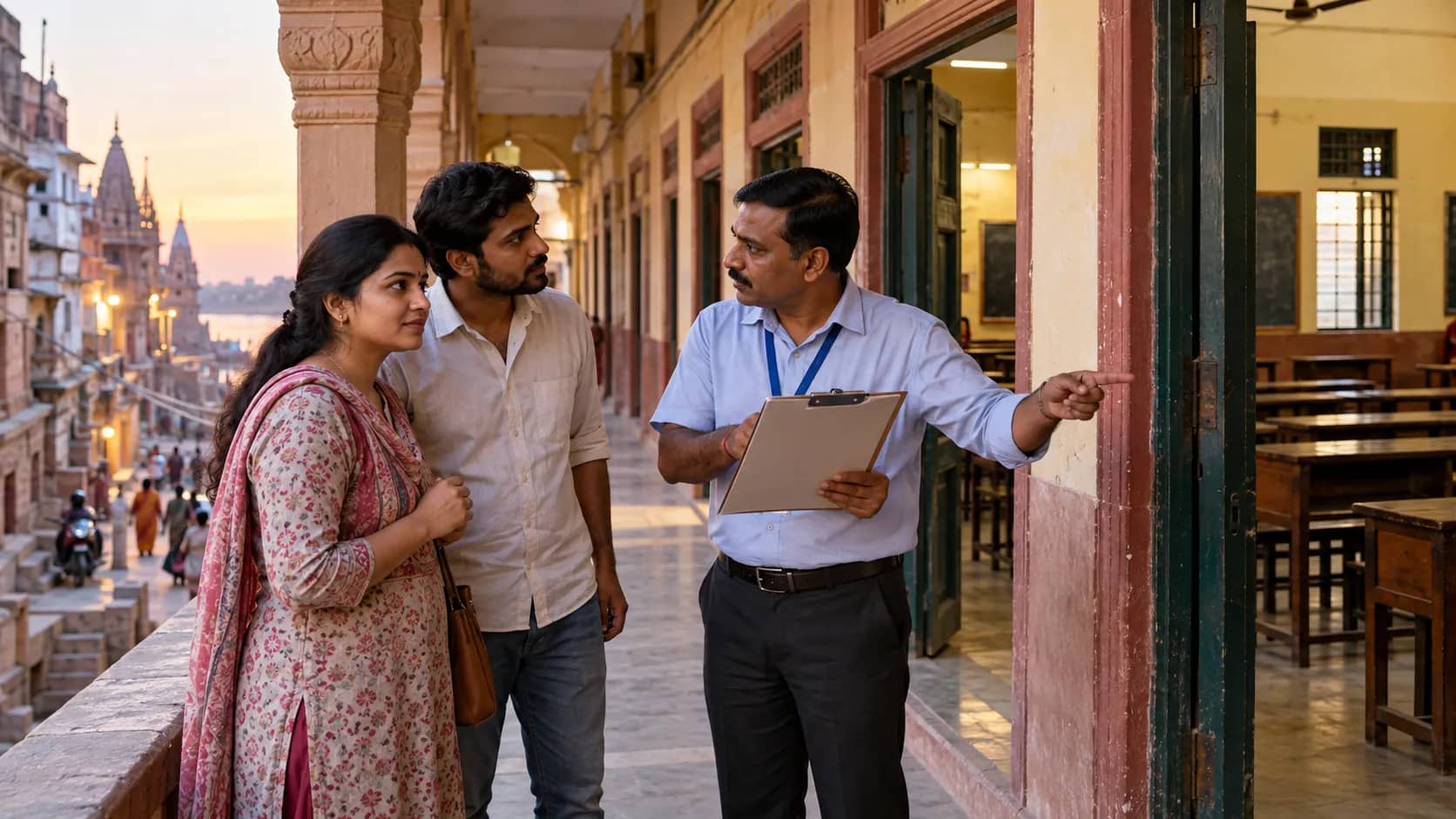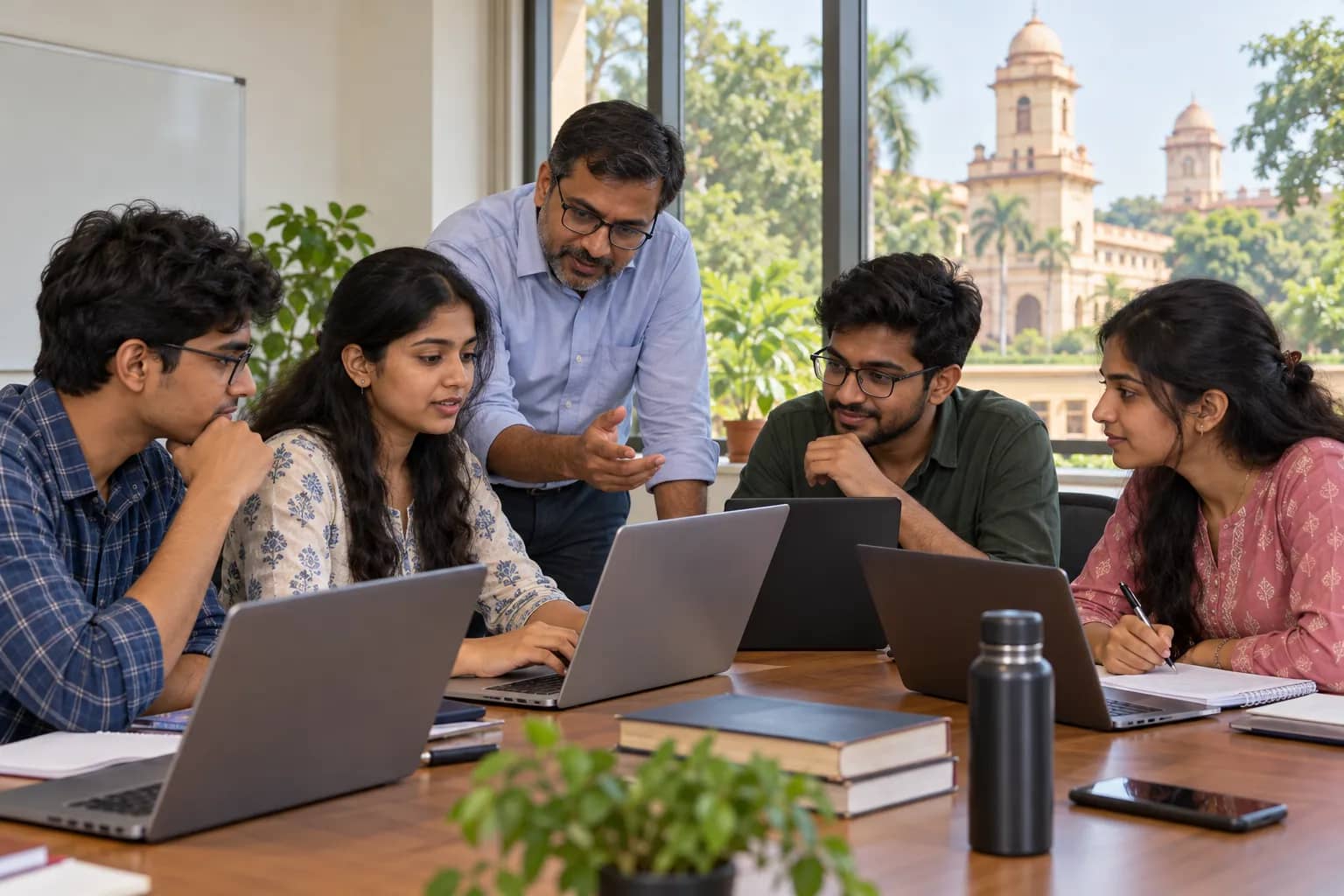

VARANASI: Kashi Tamil Sangamam 5.0 has launched its student-engagement portal, setting out a nationwide Thirukkural programme involving 1,000 students from 1,000 institutions. The Central Institute of Classical Tamil (CICT) records the portal launch on October 22. Banaras Hindu University is a partner in the fifth edition, scheduled for November 28 to December 12, 2026.
The theme is Thirukkural Payilvom, or learning the Thirukkural. The programme outline provides for a one-month internship and a Rs 10,000 stipend for each selected student. Participants are to prepare a research paper and deliver a one-hour presentation at their own institution with a faculty mentor. This is an institution-led selection process, not an unrestricted invitation to claim an internship place.
The partner directory identifies BHU as the coordinating institution in Kashi, with roles in academic sessions and the Kashi programme and as co-host of the National Conference on Thirukkural. Its table also names BHU as Uttar Pradesh's nodal institution.
Selection starts at the institution
CICT's participation instructions ask interested students to check whether their institution is on the participating list. An institution that has not joined must complete its registration. Its coordinator then arranges an assessment and selects one student on merit. The selected student receives a personal registration link by email; the State or Union Territory nodal officer verifies the application before CICT announces selections.
Institutional registration records the head, coordinator and faculty guide. A State or Union Territory nodal officer accepts the institution; its coordinator can then track whether the nominated student has completed registration.
Institutions may use the portal's online assessment or another suitable method. The offered test contains 50 multiple-choice questions, carries two marks for each question and has no negative marking. It lasts 30 minutes. The coordinator supplies the test link and access code. The published test guidance permits only one attempt, with a timer that cannot be paused and answers saved automatically.
The public registration form accepts only the student already selected by a participating institution. It asks for the email address or mobile number recorded by the coordinator and requires entries in English letters matching college records. The form asks for their course, year of study and preferred language for the orientation and learning material, along with faculty supervisor details.
Required uploads include a photograph of up to 600 KB, a college identity card or bonafide certificate of up to 2 MB, and a signed, sealed nomination form of up to 4 MB. The declaration includes a commitment to the orientation, research paper and campus presentation. It also seeks consent to use the information for the programme, including publishing the student's name and college in the merit list.
Learning material and dates to check
The digital repository lists translations of all 1,330 Thirukkural couplets in the 22 scheduled languages. Its multilingual app listing describes two Tamil commentaries, English prose, word-level grammar and metrical analysis. CICT says the app works offline.
For students unfamiliar with Tamil, the listed Kural Bridge word game pairs a couplet in their chosen language with an exercise rebuilding the Tamil original. Tamil words are also shown in the user's script, with their meanings. The repository separately lists sign-language videos, recitation material and music, giving institutions alternatives to relying only on printed reading material.
Campus activities extend beyond the selected delegate. CICT asks participating institutions to organise quizzes, recitation, storytelling, essay writing or poster-making and submit a brief activity report. The resource collection includes four printable A3 posters in the scheduled languages and English, covering the programme, learning-related couplets, everyday themes and an overview of the text. A 200-day Daily Kural calendar is listed for school assemblies.
Applicants should check dates carefully. The registration form states November 22 as the application deadline, but the tentative timetable is not internally aligned: its summary gives November 21 for assessments while its detailed rows say October 29, followed by a November 2 internship start. The assessment page still displays October dates. Students should confirm their institution's operative assessment schedule with its coordinator, rather than assume every date on the portal has been reconciled.
For related coverage of language and cultural exchange in the city, see Dalimss News reports on Hindi Diwas at Varanasi universities and Margo Rejmer at the Long Night of Literatures. These are separate programmes.