VARANASI: August delivered the kind of monsoon turnaround that farmers across the district had been waiting for. Varanasi recorded 448 millimetres of rain during the month, according to figures reported by Live Hindustan, making it the wettest August here in 35 years and effectively wiping out the anxiety created by a weak July.
The total was reported to be 82 per cent above the long-period average for August. It also crossed the 400-mm mark for the first time in three years. The comparison matters because July, a crucial month for the transplantation and early growth of paddy, had ended below average. By the middle of the season, cultivators in several blocks were watching both their fields and irrigation costs with concern.
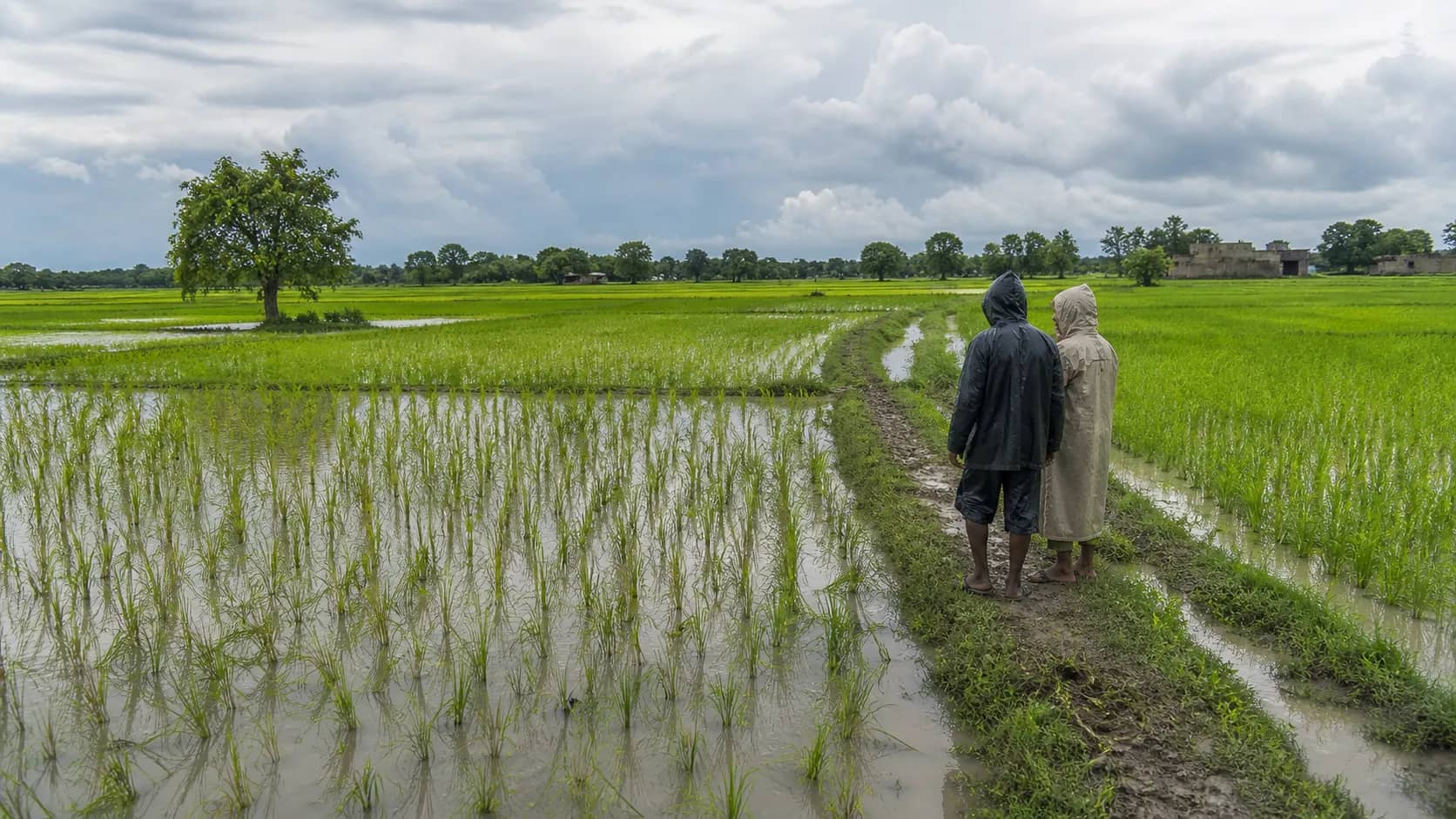
That picture changed sharply during the final stretch of August. Repeated spells of heavy rain filled ponds, canals and smaller drainage channels, while the soil profile received sustained moisture rather than a single isolated shower. For standing kharif crops, the immediate gain is reduced dependence on diesel pumps and private irrigation. The replenishment of surface water may also help later crops if storage holds into the winter sowing period.
The record, however, has two sides. The same rainfall that relieved farms also exposed the city's familiar weak points. Waterlogging was reported in low-lying neighbourhoods, damaged road surfaces deteriorated further and the Ganga-Varuna system remained under pressure. Rural households living in kutcha structures faced a different kind of risk as saturated walls and foundations weakened.
Weather records are most useful when read beyond the headline number. A monthly surplus does not mean every part of the district received rain evenly, nor does it guarantee that every crop benefited. Intense downpours can wash away topsoil, flatten vegetables and delay field operations. Farmers will still be watching the distribution of rain through September, especially in areas where drainage is poor.
For the city administration, the 35-year high is also a practical stress test. Pumps, storm-water drains, sewer lines and road-restoration schedules are being asked to perform under a load well above a normal August. Any assessment of the season will therefore have to count both improved water availability and the cost of urban disruption.
The broad agricultural mood is nevertheless more settled than it was a month ago. July left a deficit and uncomfortable questions. August answered with 448 mm—more than the city wanted in some neighbourhoods, but enough to restore confidence across much of the countryside.