GURUGRAM: Public hospitals in Gurugram, Sohna and Pataudi are in line for specialised trauma-care infrastructure under a set of Public Works Department tenders valued at about Rs 2.8 crore across Gurugram and Faridabad districts. The works are planned, not operational, and are expected to take six months after contracts are awarded.
The Gurugram locations named in the tender package include the Civil Hospital in Sector 10A and the sub-divisional hospitals at Sohna and Pataudi. The wider package also covers BK Civil Hospital and several community health centres in Faridabad district. The Rs 2.8 crore figure applies to the combined group of works and should not be read as an allocation for Gurugram alone.
Controlled clinical spaces are the core of the work
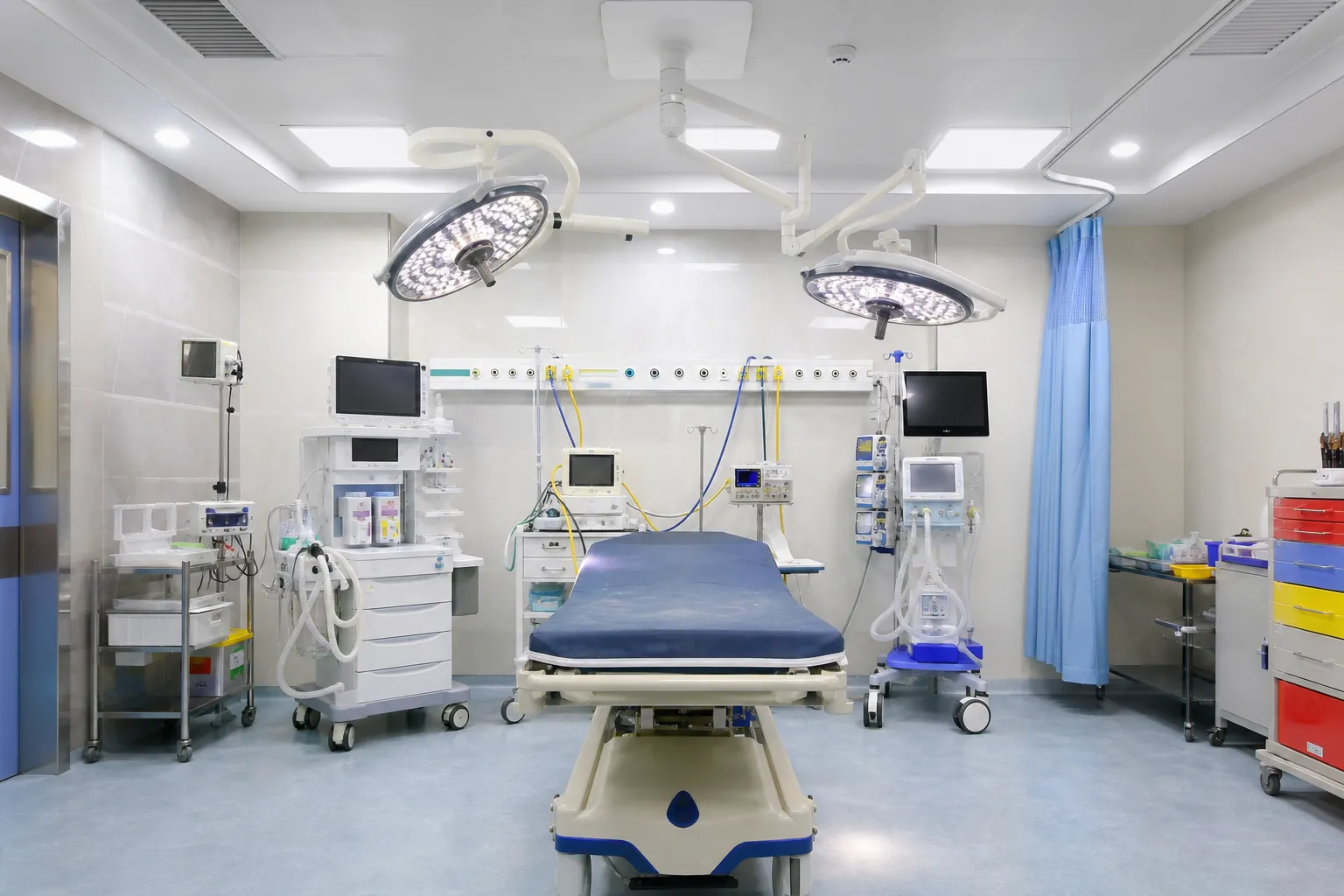
The tender provisions go beyond repainting wards or adding beds. They include high-efficiency particulate air filtration, hermetically sealed doors and laminar airflow designed to control the quality and direction of air in treatment areas. Such systems help maintain cleaner clinical environments where invasive procedures or emergency surgery may be performed.
Medical-gas infrastructure is also part of the package. Larger facilities are proposed to receive automated oxygen manifolds capable of holding 12 to 16 cylinders, along with flow meters and monitoring controls. A modular operation theatre is listed, as are X-ray viewing screens and equipment associated with surgery and anaesthesia. A six-service panel would allow staff to monitor gas supply, temperature, humidity and pressure from the treatment area.
The department expects technical evaluation of bids during September. Construction and installation would begin only after the procurement process and award of contracts. This sequence matters because tender publication is an administrative start, not proof that a trauma unit is ready to receive patients.
Buildings alone cannot create trauma services
The Health Department will separately decide the procedures each facility can handle, the number of beds and the staffing pattern. Those decisions will depend on patient demand and available space. A modular theatre without surgeons, anaesthetists, nurses, technicians, blood support and round-the-clock diagnostics would offer only part of an emergency-care chain.
Location will shape how useful the upgrades become. Sector 10A serves a dense urban population and receives cases from major city roads. Sohna and Pataudi are closer to expanding residential belts, industrial routes and highways where the distance to a higher-level hospital can consume critical time. Stabilising a patient nearer the point of injury can improve the chance of safe transfer, but referral protocols and ambulance coordination must be designed alongside the physical works.
The strongest public measure of progress would be a facility-wise schedule showing contract award, civil completion, equipment installation, staffing and the date services actually begin. Procurement notices are a welcome first step, particularly for public hospitals that face growing emergency demand. Gurugram will feel the benefit only when a trained team can use the new systems at any hour, not when the last piece of equipment is merely delivered.