NEW DELHI: Suzuki Access owners checking the ignition-coil cord recall should match their vehicle to the campaign dated 25 July 2024, rather than assume every Access is affected. Suzuki's manufacturer entry on the SIAM recall portal identifies 2,63,788 Access125-UZ125 vehicles made from 30 April to 3 December 2022. Suzuki's own service-campaign page provides a VIN lookup for vehicle-specific checks. This is an ownership guide to that existing campaign, not a newly announced recall.
| Access campaign detail | Manufacturer-submitted record |
|---|---|
| Model identifier | Access125-UZ125 |
| Recall date | 25 July 2024 |
| Target vehicle count | 2,63,788 |
| Manufacturing window | 30 April to 3 December 2022 |
| Component described | High-tension cord installed on ignition coil |
| Individual check | Suzuki service-campaign VIN lookup |
What the ignition-cord record actually says
The manufacturer's defect description concerns a high-tension cord that did not meet the specified drawing requirements. Repeated bending as the engine moves during running could make the cord crack or break. The reported consequences include engine stalling and failure to start. This is a defined component issue, rather than a general declaration that the Access engine is unreliable.
The same description identifies a further possibility when a cracked cord is exposed to water. Leaked ignition output could damage the vehicle speed sensor and throttle-position sensor, with speed-display failure or starting failure among the consequences. Those are potential effects described in the campaign record. They do not establish the cause of every similar symptom on an owner's scooter.
A useful workshop complaint therefore records what happened without diagnosing the part in advance. Note whether the engine stopped while moving or would not start, whether the speed display behaved unusually, and the conditions at the time. That gives the technician something concrete to investigate alongside the campaign check.
Use the VIN, not just the sale year
Suzuki's campaign page asks for the vehicle identification number, also described there as the frame number. It says the number can be found on the insurance certificate, registration certificate or sales invoice. Owners can compare their documents before entering it, reducing the chance that a typing error produces an irrelevant result. Retain the dated lookup result with the vehicle documents for the subsequent workshop discussion.
The manufacturing window and the date of purchase answer different questions. A vehicle bought after the production period can still have been manufactured within it. Conversely, a familiar model name or a similar paint scheme cannot establish inclusion. The published window is a way to identify the relevant campaign; the VIN ties that question to the particular scooter.
For a second owner, that distinction is especially useful. The registration document may be readily available while an old sales invoice or the first owner's workshop paperwork is missing. Suzuki lists several documentary sources for the VIN, so the check does not depend solely on finding the original purchase receipt.
The count does not describe work still outstanding
The recall portal labels the number as the target vehicle population. It does not mean that all those scooters remain unrepaired today. The entry reviewed for this guide does not provide an Access completion count. It would therefore be misleading to describe the entire target population as vehicles still waiting for attention.
Ask for any campaign work already carried out to be identified on the vehicle's service history or repair paperwork. A routine service stamp by itself does not explain which component was inspected or replaced. Keeping a specific job record is useful if ownership changes again, or if a later workshop needs to understand earlier work.
Keep recall checks separate from routine ownership questions
Suzuki describes the campaign lookup as a check for inspections outside routine servicing. That is different from the Access variant price guide or the ordinary Access warranty guide. A price quotation, warranty discussion and campaign result should each be identified clearly in workshop paperwork.
The company service page separately describes warranty administration through authorised dealers and the importance of retaining service records. Those general terms should not be substituted for the specific remedy attached to an individual campaign. This guide does not quote a repair price, labour time or refund entitlement because the public VIN landing page does not establish those details for this Access campaign.
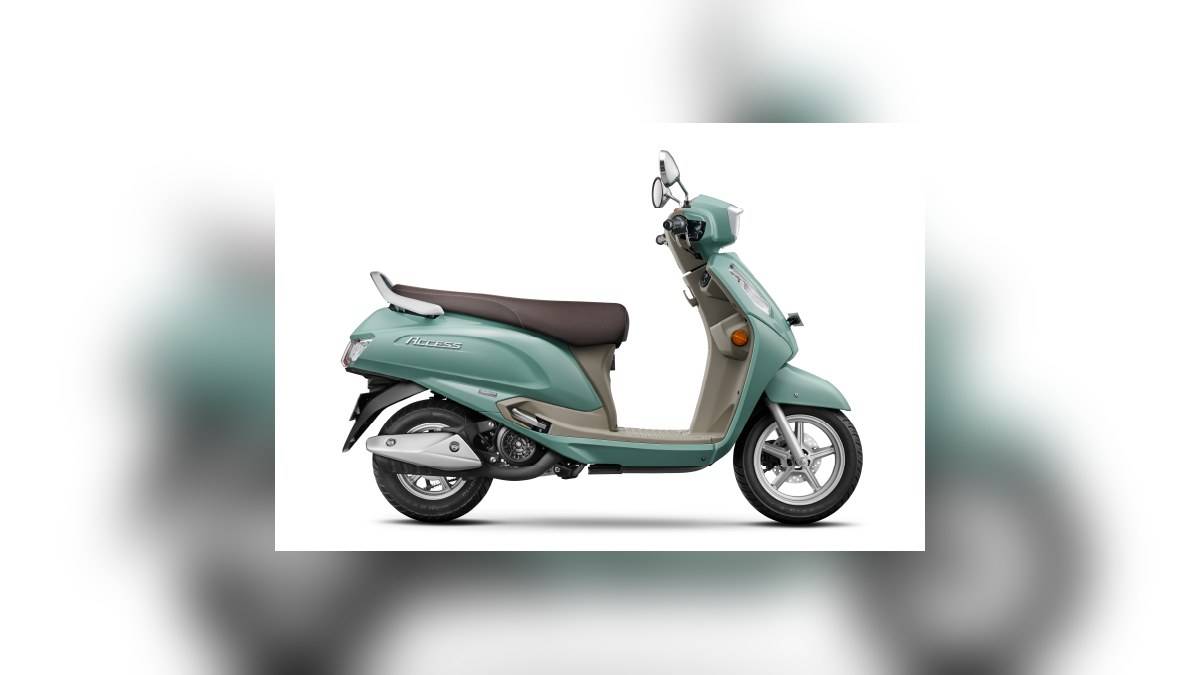
Current product equipment is another separate subject. The Access ABS edition explainer concerns the equipment offered on named editions. It does not identify which older frame numbers fall within an ignition-cord campaign. The current Access product image accompanying this guide is representative and is not evidence of recall applicability.
Official sources: Suzuki's manufacturer-submitted recall entry on SIAM, Suzuki VIN campaign checker and Suzuki customer service information.