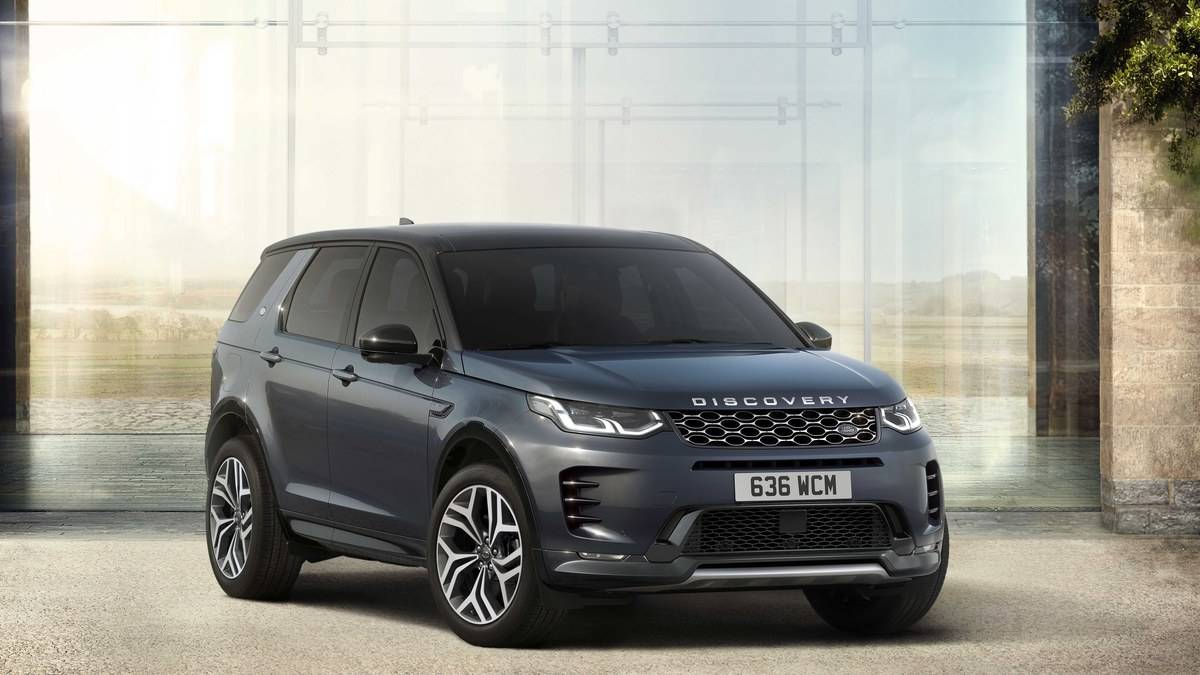
NEW DELHI: Discovery Sport is presented on Land Rover's India website as a compact seven-seat SUV. Its current Metropolitan equipment page lists a second row that slides and reclines manually, plus a manual third row. The useful question is how that flexibility works for the people and luggage on a particular journey, rather than whether the seat count alone makes the cabin suitable for every family.
| Discovery Sport Metropolitan | India equipment listing |
|---|---|
| Advertised seating concept | Seven seats |
| Second row | Manual slide and recline |
| Third row | Manual seats |
| Rear climate provision | Second-row vents and temperature control |
| Charging ports | Two USB ports in row two; one in row three |
| Child-seat provision listed | Rear ISOFIX |
| Roof | Fixed panoramic roof |
Seat count is the beginning of the space calculation
A sliding second row lets a family change how cabin space is distributed. That flexibility is useful because the same car may carry fewer occupants with larger bags on one trip and more passengers on another. It does not establish a universal seating position that suits every occupant. The people who regularly travel together need to assess their positions together.
In its international announcement for the refreshed Discovery Sport, the company describes up to 24 possible seating configurations and stadium-style seating across the rows. That is manufacturer background for the model's versatile cabin concept. The current India equipment list is the more direct reference for the mechanisms actually listed on the Metropolitan: manual second-row slide and recline and a manual third row.
This gives the Discovery Sport a different brief from a luxury SUV discussed mainly through its front seats. For an Indian household that sometimes includes grandparents, children and bags for an overnight visit, the layout is a shared-space exercise. Moving a seat changes the experience of the person behind it as well as the person sitting in it. The seat count does not capture that negotiation.
Check the journey with the intended occupants
A useful cabin assessment starts with the normal driving position, followed by the second and third rows. It should include access, foot placement and the luggage expected for the trip. Looking at the rear seats with the front seats moved unusually far forward gives little information about how the cabin will work during the family's actual travel routine.
The official India page lists rear ISOFIX, but that short description is not a complete child-seat installation guide. A family using child restraints needs the handbook and the restraint manufacturer's instructions for the approved seating positions. The presence of a third row should not be interpreted as confirmation that every child seat can be installed in every location.
Comfort equipment extends beyond the front row
The Metropolitan listing includes rear climate provision and charging connections extending to the third row. Those are practical details when checking the experience of passengers further from the dashboard. They should be demonstrated in the seating arrangement that will be used, including how occupants reach the controls and where charging cables will sit.
The India overview also describes smartphone connectivity and a Remote app, with subscriptions and market availability qualified in its footnotes. These services concern the wider ownership experience, rather than the physical amount of cabin room. A connected feature should not be confused with a seating improvement, and an app subscription does not establish that a particular cabin accessory is included.
Accessories organise space without creating more seats
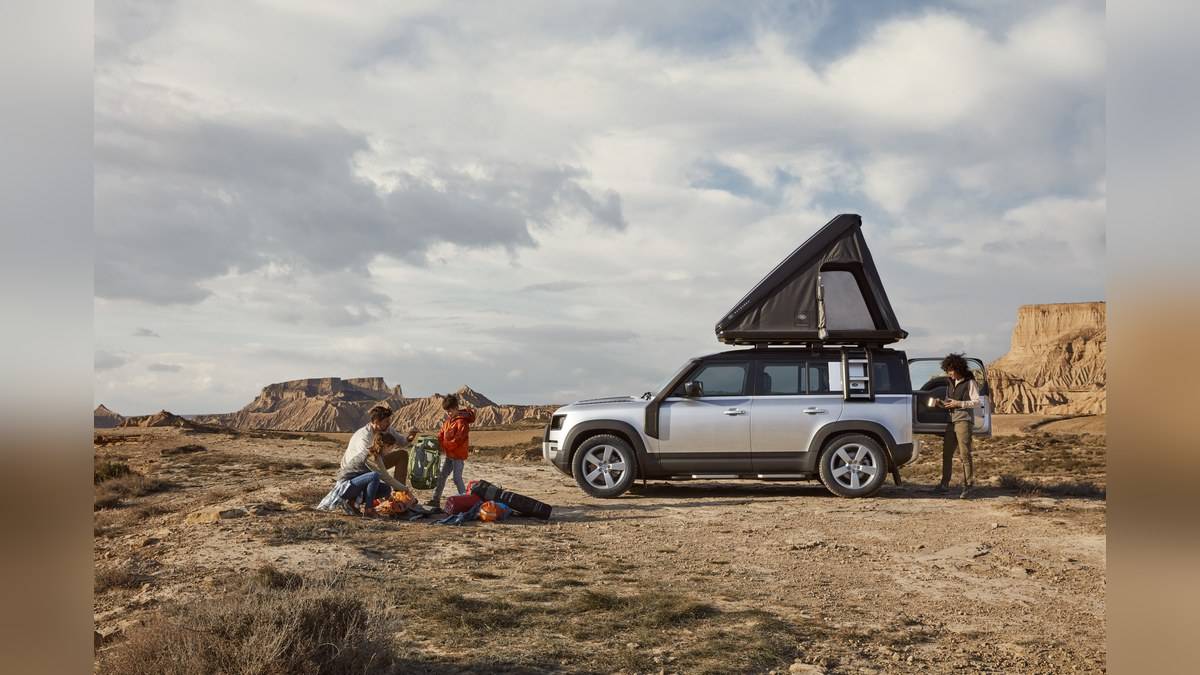
Land Rover's India personalisation page groups Discovery Sport accessories around uses such as road trips, beach outings and cycling. Its road-trip examples include a roof box, cross bars and seat organisers. These are separate accessory choices, not proof that the photographed items are supplied with every Metropolitan. Their availability and compatibility need to match the vehicle.
The same page describes Click and Go attachments, including a folding table for rear-passenger use. These can change how the cabin is organised, but they do not increase passenger capacity. A tablet holder, a bag organiser and a child restraint all occupy real space, so they belong in the layout assessment rather than being added only after seating comfort has been judged.
Roof storage also has its own loading conditions. The India specification page warns that accessories affect payload and that gross vehicle and axle limits must be respected. Sending luggage upstairs may clear the cabin, but it does not remove the luggage from the vehicle's carried load. A fully occupied trip and a lightly occupied trip can therefore require different packing decisions.
Use local equipment details when reading global material
The current Indian Metropolitan page lists 19-inch wheels, while the international edition announcement describes a different wheel specification. That is a concrete reminder that a global launch description is not a substitute for local equipment confirmation. The same discipline belongs in seating research: use international material to understand the concept and the Indian listing and handbook to establish the actual car.
Related reading: Car price guide, Range Rover Evoque vs Discovery Sport price: Discovery Sport starts lower at Rs 63,37,000 and Defender 130 has up to 8 seats: how the 2+3+3 layout works. These address other ways of balancing occupants, vehicle size and carrying space.
Official sources: Discovery Sport India overview, Metropolitan India equipment and India accessories and personalisation.