Beginner stretching at home can start with gentle seated neck movements and a calf stretch using a wall for support. The NHS flexibility routine advises building up slowly and practising at least twice a week. Stay within a comfortable range, use the easier version when needed and stop if you feel pain. Stretching is one part of an activity routine, rather than a substitute for every other kind of exercise.
| Movement | Starting point |
|---|---|
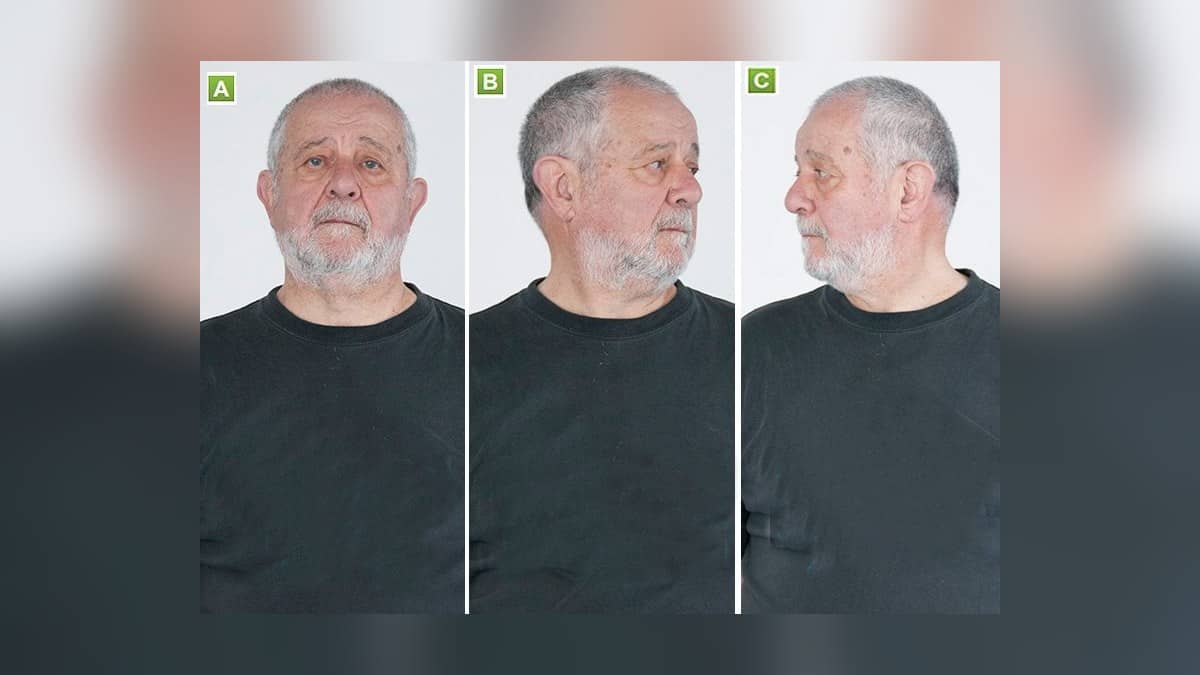
| Neck rotation | Sit upright and turn only as far as comfortable. |
| Neck stretch | Use a small, slow tilt with the shoulder kept down. |
| Sideways bend | Stand with feet apart and make a controlled side movement. |
| Calf stretch | Use a wall for stability and keep the rear heel down. |
How to start stretching safely at home
The NHS flexibility page recommends loose, comfortable clothes and keeping water nearby. Clear enough space for the movement and choose a secure place to sit or stand. If a balance task feels uncertain, leave it out and use a seated movement instead while you seek advice about suitable alternatives.
If you have a medical condition, consult a qualified doctor before starting or changing your exercise routine. The NHS post-exercise stretching guidance also advises professional input for people with injuries or during pregnancy, because movements may need adapting. This is a general mobility guide, with no treatment plan for neck, back or joint pain.
Make the first attempt an opportunity to understand the position. There is no requirement to match another person's range. A smaller comfortable movement is the beginner modification throughout this guide. If a movement hurts, stop rather than pushing further, adding repetitions or asking someone to force the position for you.
Seated neck stretches for beginners
For neck rotation, sit tall with relaxed shoulders and look ahead. Slowly turn towards one shoulder, staying within comfort, then return to the centre before changing sides. The NHS routine specifies a five second hold and three turns each way. Beginners can start with a smaller turn and fewer repetitions, then build gradually if comfortable.
For the neck stretch, remain upright. The NHS describes keeping the left shoulder down with the right hand while gently tilting the head to the right, then reversing the sides. Its suggested hold is five seconds, repeated three times per side. Keep the tilt small as an easier version; do not use a hand to pull the head deeper into the movement.
Supported calf stretching and a gentle side bend
For the calf, face a wall and place both hands against it. Bend the front knee and place the other leg behind, keeping that leg straight and its heel on the floor. Change sides. The NHS flexibility routine lists three repetitions each way. As a beginner adjustment, reduce the distance between your feet if the stretch feels too strong.
For the sideways bend, stand with feet about hip width apart and arms by your sides. Slide one hand a little way down the same side of your body, then return and repeat the other way. The source gives a two second hold and three repetitions each side. If standing is uncomfortable or unsteady, skip this movement instead of improvising a deeper bend.
Is stretching after exercise a different routine?
The NHS has a separate post-exercise stretching guide, described as a gentle cool-down lasting about five minutes. Its calf stretch can use a wall or the back of a chair for support, and its individual stretches use holds of 15 to 20 seconds. Those timings belong to that routine, so they should not be confused with the shorter holds in the flexibility page.
The same cool-down guide includes a seated inner-thigh stretch: sit upright with the soles together and gently lower the knees only within a comfortable range. It also includes stretches done lying down. You do not need to add all of them to your first session. Choose positions you can enter and leave safely, and ask a physiotherapist about adaptations if getting to the floor is difficult.
How stretching fits with weekly activity
The NHS adult activity guidance separately addresses aerobic exercise, muscle strengthening and reducing long inactive periods. A few stretches do not automatically fulfil all those aims. Think of flexibility practice as one appointment in a broader routine, alongside activity suited to your health and fitness.
Keep a brief note of which positions felt comfortable and any movement you stopped. That gives you useful questions for a professional if something repeatedly causes difficulty. Avoid height-increase promises or claims that a stretch can cure a condition. For related reading, see our walking guide, adult sleep explainer, and guide to fibre in everyday meals.
Official guidance checked on 01 November 2026, 22:44 IST.