Cops Override Smart Signals in Rush Hours
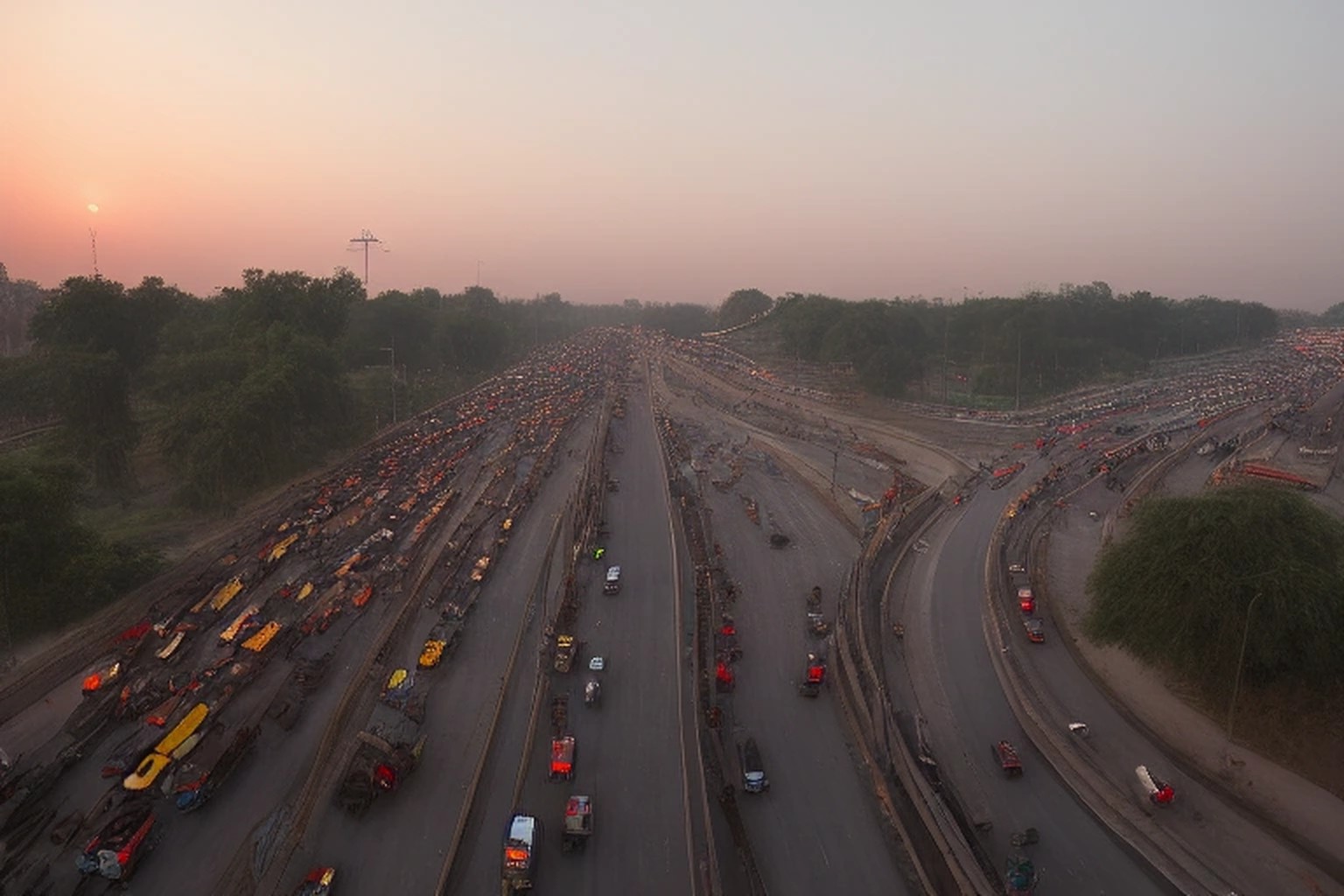
GURUGRAM: The city's multi-crore smart traffic signal network, built to adjust timings from live vehicle volumes, often struggles in morning and evening peaks, prompting traffic personnel to override automatic cycles and regulate junctions by hand, officials said.
Under phase one, the Gurugram Metropolitan Development Authority is upgrading 111 intersections across sectors 1 to 55 at about Rs 12.5 crore. Another 32 locations in sectors 58 to 115 are lined up for phase two at about Rs 7.46 crore. GMDA has installed 141 smart sensor cameras for the Adaptive Traffic Control System and says all 111 intersections and cameras in the first package are functional. The tender includes seven years of camera maintenance.
Where automation gives way to hand control
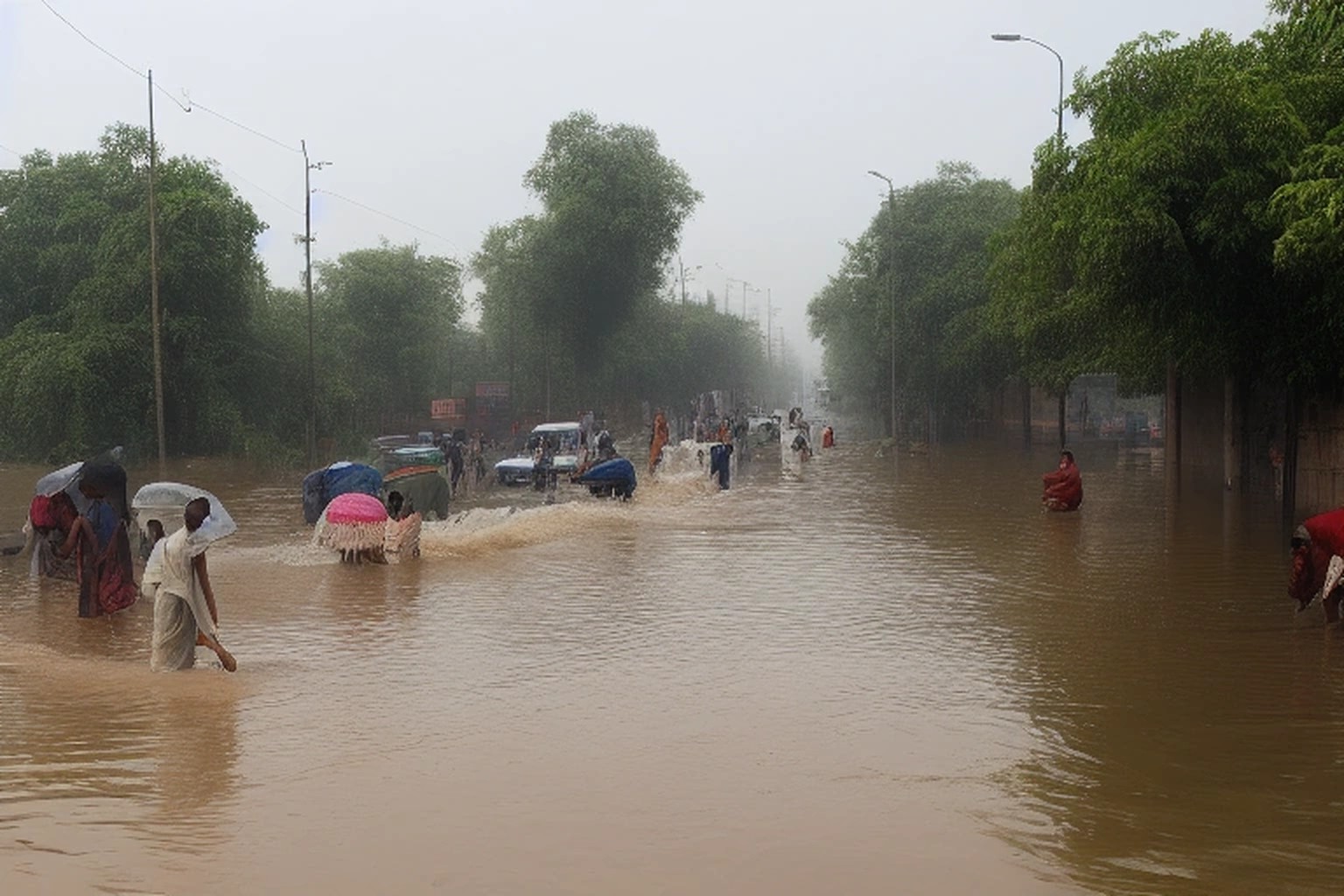
At IFFCO Chowk, Rajiv Chowk, Subhash Chowk and Vatika Chowk, on-ground officers say sudden lane changes, two-wheeler filtering and spillover queues overwhelm sensor logic. Assistant Commissioner of Police (traffic, headquarters and highways) Satyapal Yadav said traffic officials often override automatic signals based on congestion and unforeseen events such as waterlogging or route diversions.
Checks along Golf Course Extension Road, the Southern Peripheral Road and Vatika Chowk found heavy manual control during peak windows. Manoj Saini, a GMDA official associated with the smart signal project, said the focus remains zero manual intervention, while acknowledging that dust and periodic breakdowns can affect detection. GMDA does not keep a public log of minor breakdowns or maintenance calls, officials said, though three teams conduct weekly checks and prolonged outages have not been recorded as a pattern.
For office corridors that feed NH-48 and the SPR, the gap between brochure automation and peak-hour reality is familiar. Adaptive systems work better in steady mid-day flows. When rain floods a pocket, a breakdown blocks a lane, or festival traffic arrives without warning, constables still become the timing engine.
Commuters should not read manual mode as proof the cameras are dead. It often means the algorithm's green splits no longer match the queue that built up after a spillover from an upstream junction. GMDA's phase-two expansion into newer sectors will face the same test unless detection stays clean in dust and monsoon conditions.
Until sensor reliability and corridor-wide coordination improve, rush-hour travellers at the four named chowks should expect a mix of adaptive cycles and hand signals. Police say safety and clearing gridlock come first when the model and the street disagree.
Phase-one coverage across sectors 1 to 55 includes several VIP and commercial corridors where a five-minute misfire can back traffic into MG Road, the Old Delhi Road approaches or the SPR. Officers say they intervene when a single jammed arm begins to starve the cross street, even if the camera still reports green as available. That human override is what drivers see as a constable waving vehicles through against the lamp.
Dust on sensor housings after dry spells, temporary barricades for metro or utility work, and waterlogging after short sharp showers are the three most cited reasons the model and the street diverge. Weekly camera checks catch prolonged faults, officials said, but they do not capture every ten-minute override during a monsoon evening.
Commuter apps that promise signal-synced travel times can mislead when a junction is under hand control. Until GMDA publishes corridor-level override statistics, the honest public message is that smart signals are the default in calm traffic and that police remain the final authority when grids lock. Drivers can help by staying in lane, avoiding last-second cuts across stop lines, and treating temporary diversions as hard constraints rather than suggestions.
Sources and reporting
GMDA and Gurugram traffic police briefings reported 16 September 2026 on Adaptive Traffic Control System performance; ACP (traffic) Satyapal Yadav on manual overrides during congestion, waterlogging or diversions; GMDA official Manoj Saini on zero-manual-intervention goal; phase-one 111 intersections and 141 smart cameras figures. Official statements.
Related Stories
Bike With 113 Challans Impounded at MDI Chowk
Audit Flags 525 Unsafe Rooms in Govt Schools
HSVP Offers Rs 494 Cr Plot Enhancement Relief
HC Stays GMDA Inspection of Two Group Flats
Dumping Chokes Gurugram-Faridabad Aravali Road