
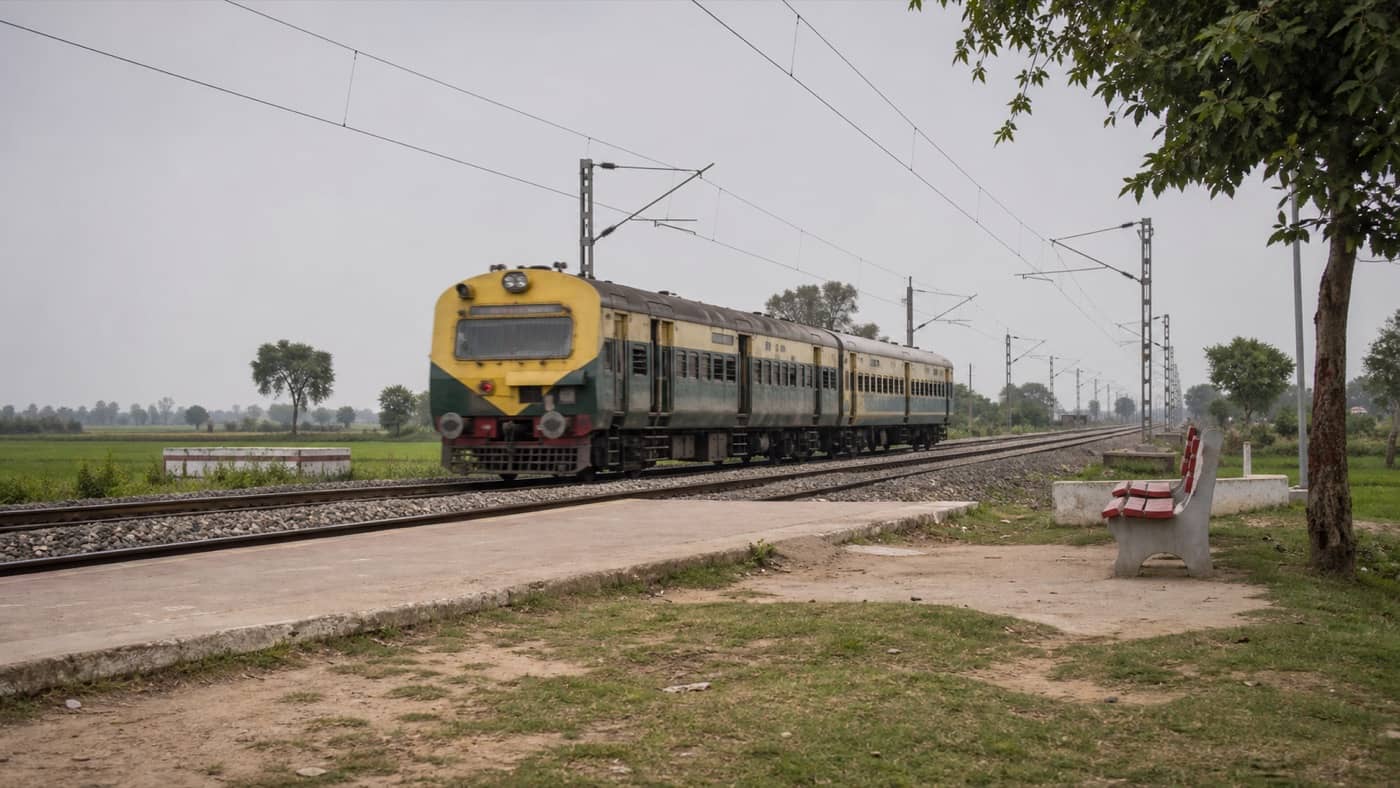
VARANASI: Railway Protection Force personnel have detained six people, including two minors, in connection with stone-pelting at a MEMU passenger train near Ahimanpur halt on the Prayagraj–Varanasi route. Four adults were produced before a court in Varanasi, while the minors were presented through the child-welfare process, according to the RPF account reported on Sunday.
The incident occurred on August 28 when train number 65113 was passing the halt. Investigators said a video circulated on social media and became an important part of the identification exercise. The Ram Bagh RPF registered a case, reviewed the footage and conducted searches before detaining the six.
The four adults named in the report are Krishna Kumar alias Krishna Yadav, Abhishek Prajapati, Adarsh Kumar Prajapati and Aditya Gupta. The identities of the minors have appropriately not been published. All allegations remain subject to the legal process, and detention or arrest should not be read as a finding of guilt.
The account given to investigators points to an argument that escalated dangerously. A complainant reportedly said pieces of paper were thrown towards a woman passenger. When she objected, people near the train allegedly began throwing stones. Whatever the immediate provocation, an object striking a moving carriage can break glass, injure passengers or start panic inside a crowded coach.
Stone-pelting is sometimes dismissed as a reckless prank because the person throwing the object is outside the train and may never see the consequence. The risk is real. Passengers sit close to windows, railway staff work near doors and a startled driver may have to respond while controlling a heavy vehicle. Damage can also take a coach out of service and disrupt journeys for people with no connection to the dispute.
Video evidence can help investigators, but it needs careful verification: time, location, sequence and individual identification all matter. The use of child-welfare procedures for the two minors is equally important. Juveniles are governed by a separate legal framework that prioritises due process and rehabilitation rather than treating them exactly like adult accused persons.
For the Varanasi–Prayagraj corridor, the case is a reminder that railway safety extends beyond tracks and signals. Communities around halts, regular passengers and local authorities all have a role in reporting dangerous behaviour early. The strongest deterrent is a visible certainty that such incidents will be investigated—without turning allegation into conviction before a court has examined the evidence.
Passengers who witness stone-pelting should move away from the affected window, avoid opening doors and alert railway staff or the security helpline with the coach and approximate location. They should not confront people beside the track. A prompt, specific report can help protect the next train and preserve evidence while keeping the passenger out of further danger.