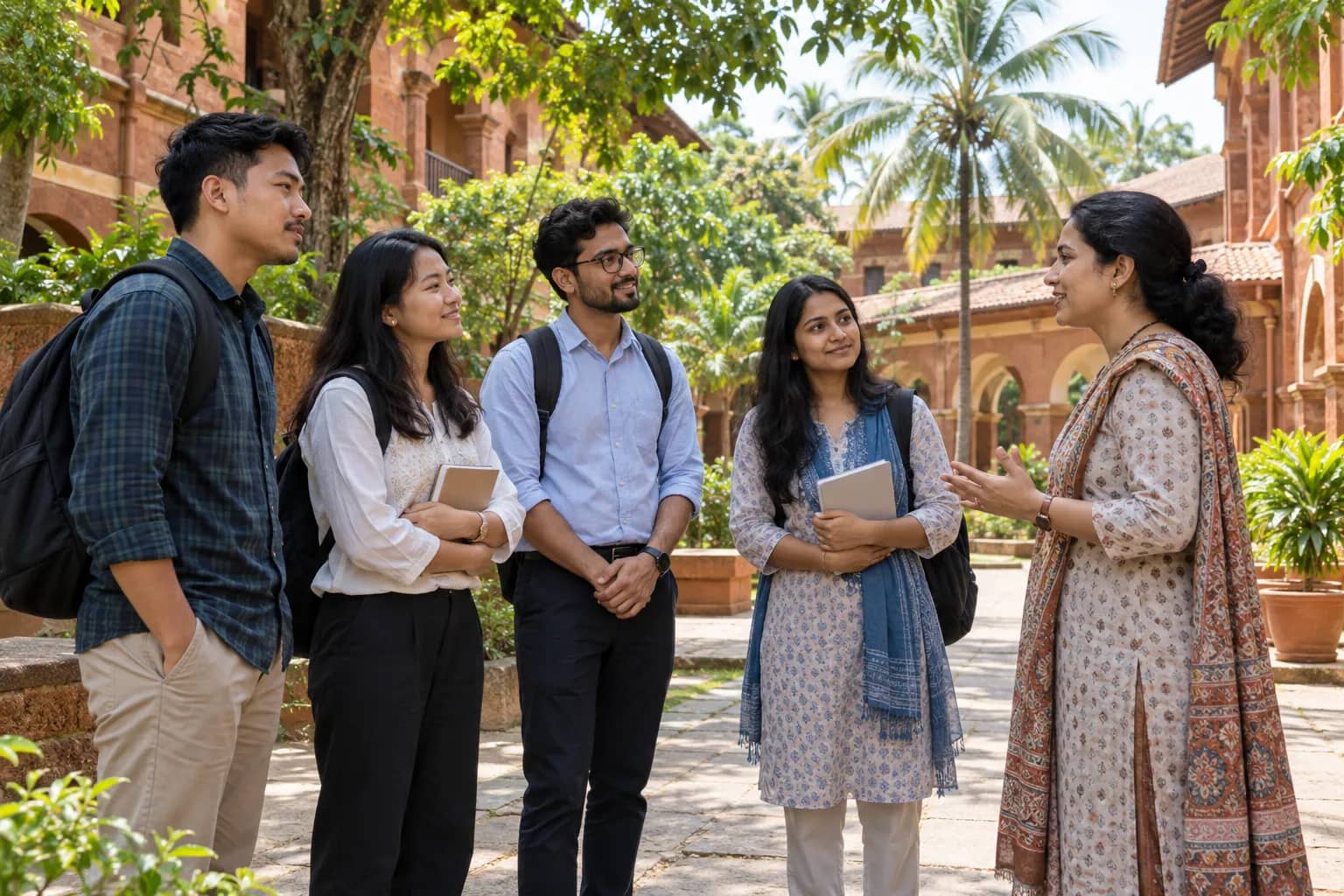
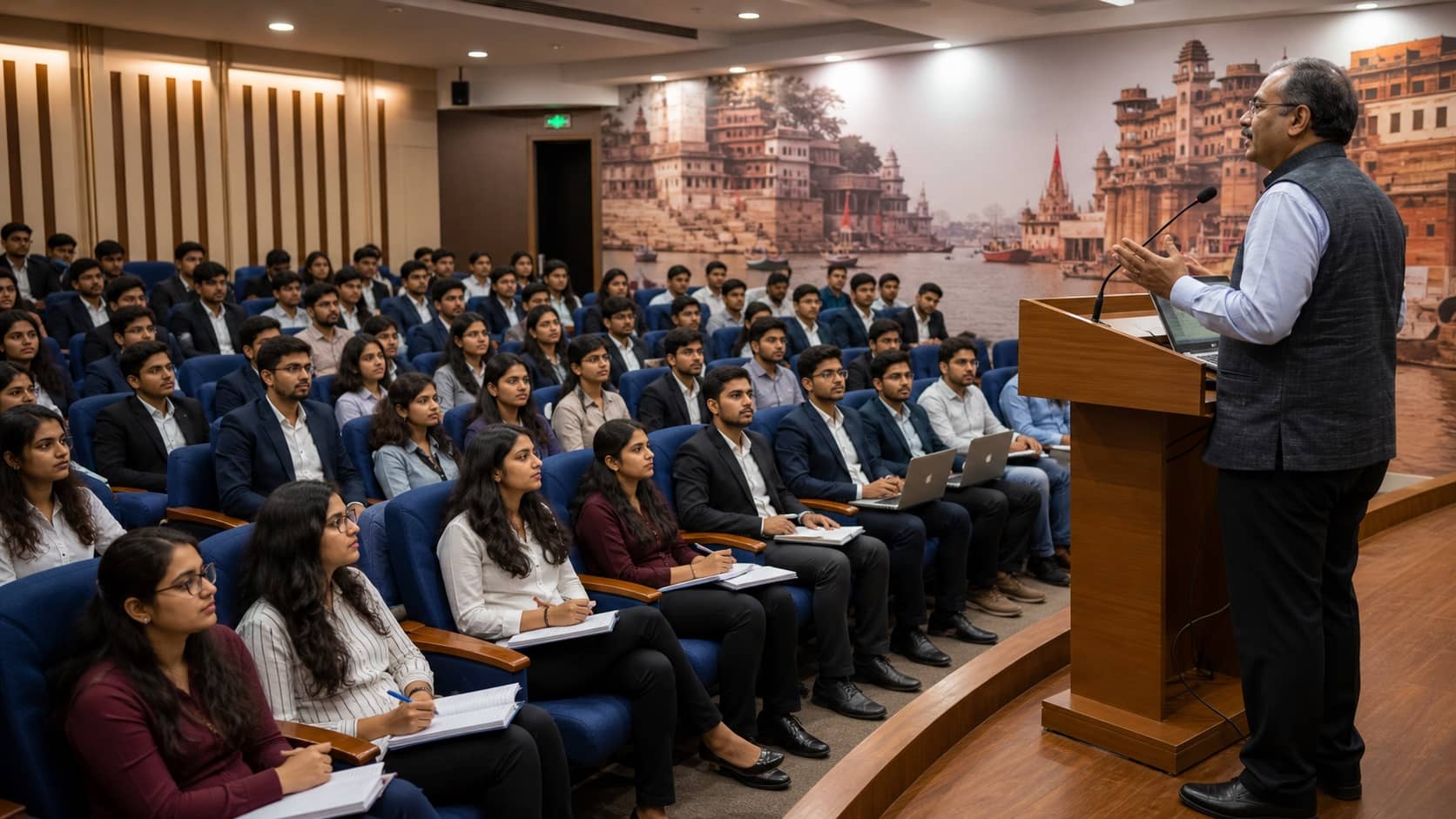
VARANASI: New MBA and MCA students at Rajarshi School of Management and Technology were welcomed to campus through 'Abhinandanam 2026', an orientation that put employable skills and academic discipline at the centre of the first-day conversation. The institute operates from the UP College campus.
Chief guest Professor Manish Kumar Singh, head of agricultural economics at the college, asked students to develop capabilities that match changing industry needs. He framed 'skill, scale and speed' as three dimensions of professional success—a useful shorthand for graduates entering workplaces where technical knowledge alone rarely secures steady progress.
Director-in-charge Professor Aman Gupta introduced the curriculum, academic activities and opportunities for wider student development. Dr Ramesh Pratap Singh spoke about UP College's institutional tradition and discipline, while Dr Anita Singh, principal of Rani Murar Kumari Girls' Inter College, addressed the growing relevance of artificial intelligence and applied skills.
MBA coordinator PN Singh and MCA coordinator Professor SK Singh explained their respective course structures. Dr Garima Anand conducted the programme and Dr Vinita Kalra delivered the vote of thanks. The orientation gave freshers names and procedures, but its more important purpose was to make expectations visible before classes settle into routine.
Management and computing programmes now overlap more than their labels suggest. An MBA student needs to read data, question an automated recommendation and understand digital risk; an MCA student benefits from knowing how a product earns revenue and how users behave. Joint orientation can encourage those conversations before departments retreat into separate timetables.
Artificial intelligence should be taught as a working tool, not a magic answer. Students need to verify output, protect confidential data and disclose when automated systems contribute to an assignment or decision. Employers increasingly value people who can combine subject knowledge with judgment rather than simply produce faster text or code.
The institute's challenge will be turning the opening message into repeated practice. Live projects with local businesses, internships with defined learning goals, presentations, teamwork and feedback on writing can make 'skill' concrete. Placement figures alone do not show whether a student can solve an unfamiliar problem or communicate under pressure.
For the incoming batch, Abhinandanam was a formal beginning. The phrase 'skill, scale and speed' will matter only if students add a fourth element: depth. A fast answer travels farther when it rests on careful reading, ethical judgment and the confidence to say when more evidence is needed.
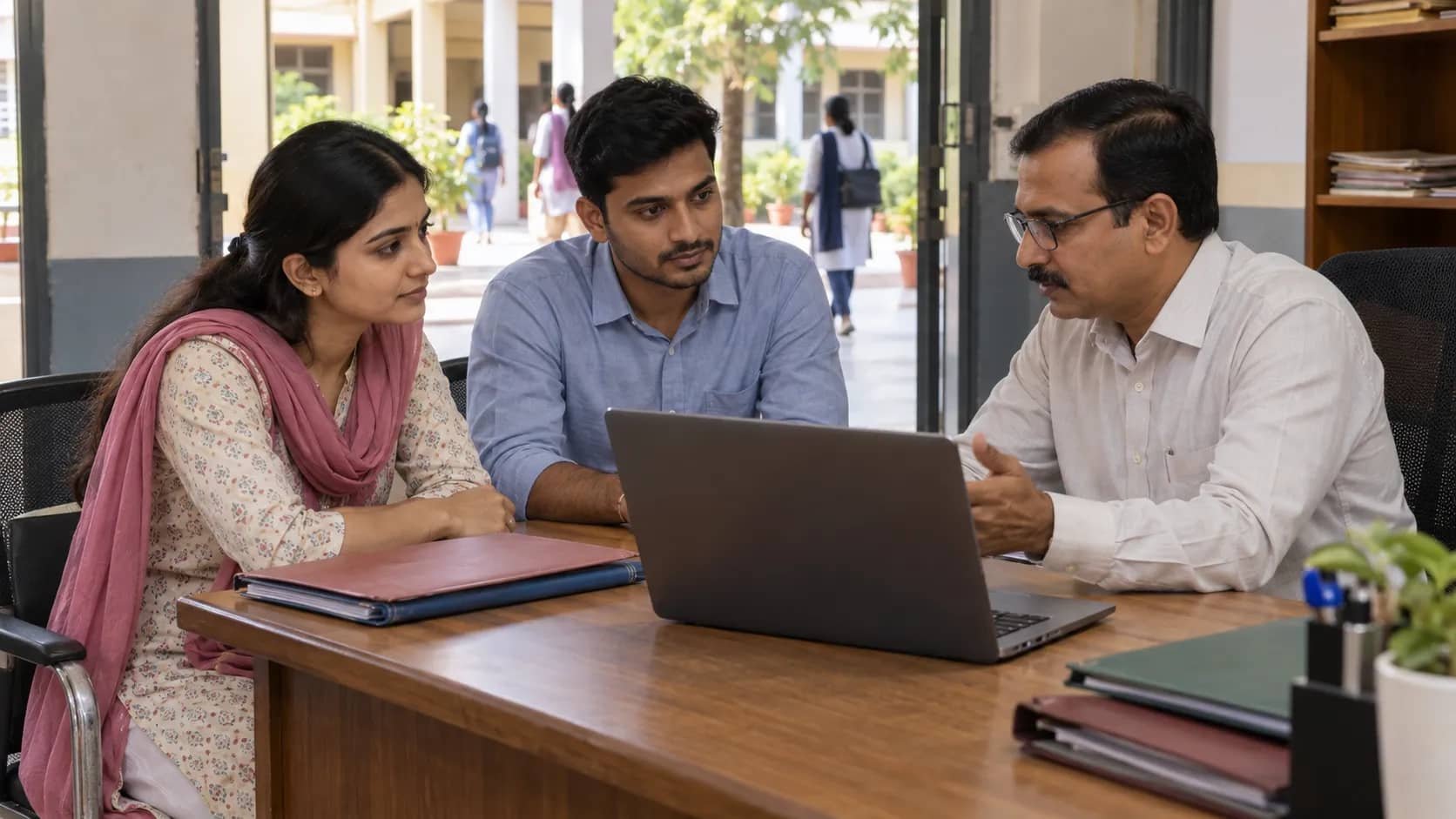
Students will also need a reliable campus route for seeking help when the first semester becomes difficult. Orientation is the right time to explain mentoring, placement support, grievance channels and academic-integrity rules. Institutions that make those systems visible early reduce confusion later and give newcomers a fairer chance to adjust.