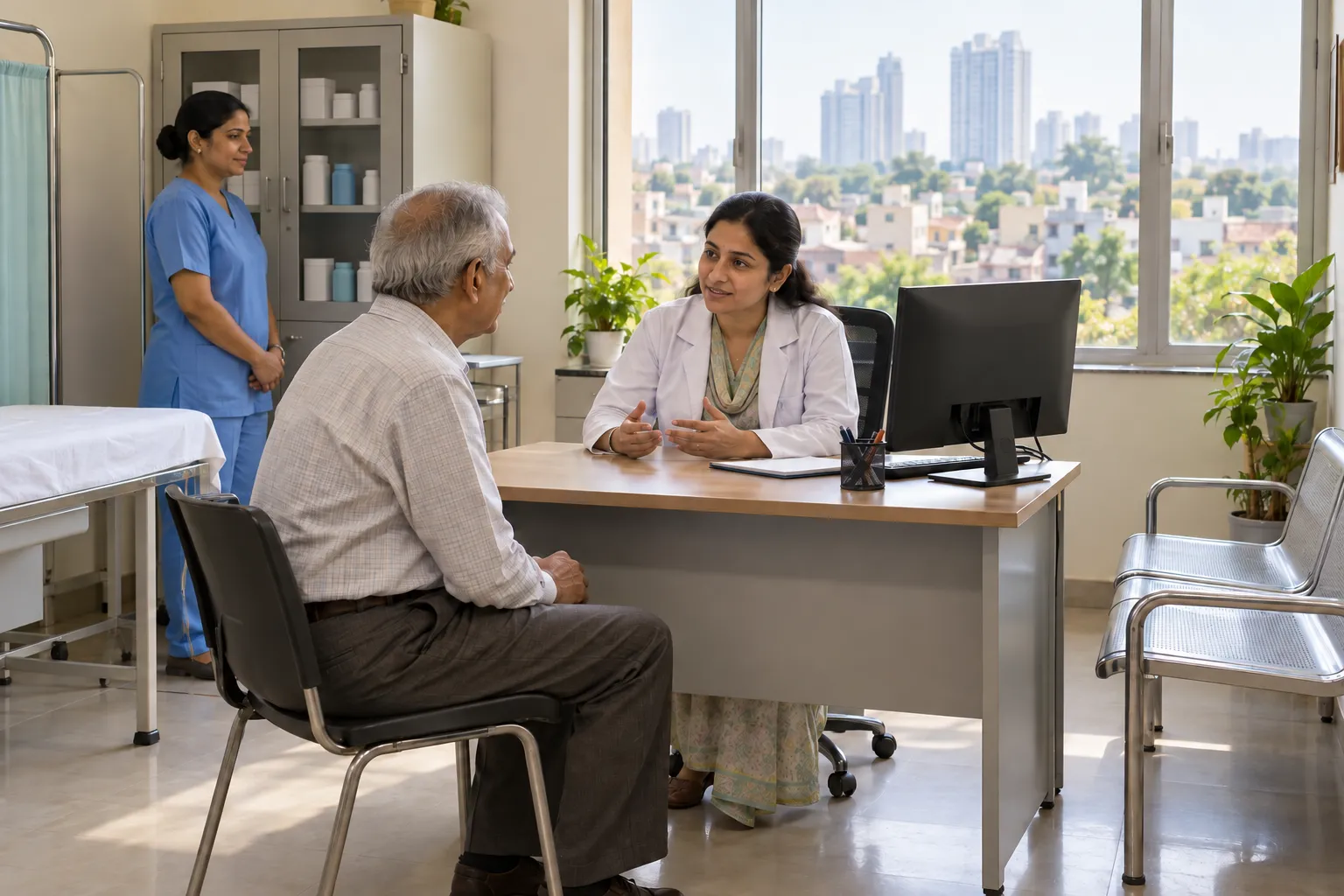
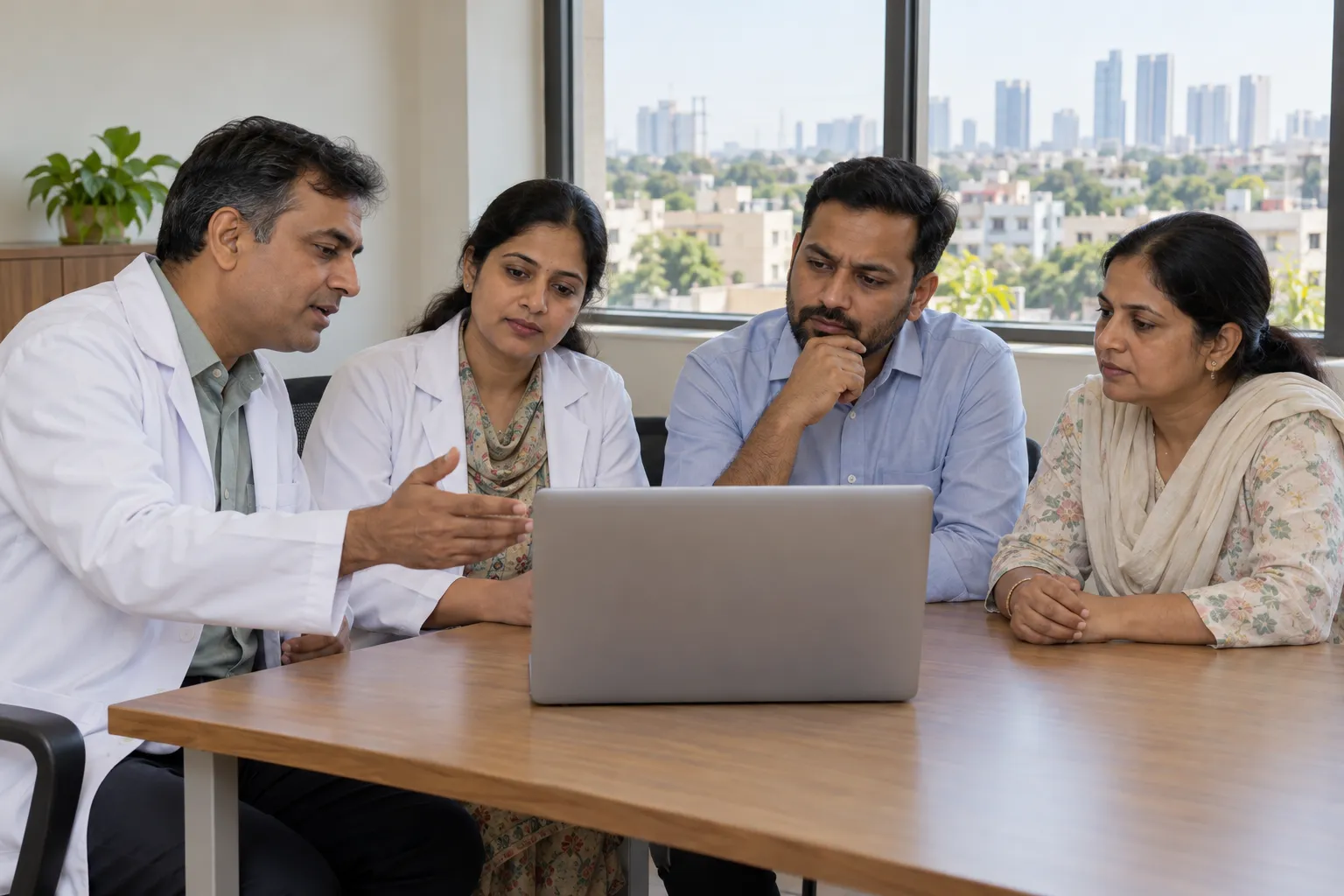
GURUGRAM: Health officials have asked private hospitals, clinics and diagnostic centres to widen their participation in the Ayushman Bharat Digital Mission, following a district workshop held on 8 October. The state ABDM team met healthcare organisations at Gurugram's District Training Centre to discuss registration and compatible hospital software, according to the official account released that evening.
The programme was organised in coordination with the district civil surgeon. Representatives of medical, nursing-home, radiology and dental associations attended, along with AYUSH representatives and managers of private healthcare institutions.
Officials reported 100 per cent registration of government facilities in the Health Facility Registry and called for greater coverage in the private sector. They discussed ABHA health accounts, professional registration and the software needed to exchange digital records. The report gives no private-sector coverage percentage or completion deadline.
Providers were able to raise questions with the state team. The session also recognised Med Harbour hospital and Raghav Diagnostics for progress on digital-health integration. Recognition at the workshop is not evidence that every service at those institutions has been independently assessed.
Accounts, registries and software do different jobs
The Union government's July explanation of ABDM distinguishes a patient's account from a provider's registration. ABHA is the individual's 14-digit health identifier. The Health Facility Registry identifies institutions such as hospitals, laboratories and clinics, while the Healthcare Professionals Registry concerns the people providing care.
A compatible software system is another part of the arrangement. The July backgrounder describes eSushrut@Clinic, developed by the Centre for Development of Advanced Computing, as a lightweight hospital-management system for smaller clinics. It supports tasks such as patient registration, billing and reporting. Access is linked to verification of professionals and facilities.
These functions explain why a workshop can deal with both enrolment and software. A facility's presence in a registry identifies it within the system. Exchanging a usable digital record also involves the clinical software and the mechanisms through which that information is linked and shared.
The ministry's January description lists prescriptions, diagnostic reports and discharge summaries among the records people can store, access and share after consent. Those examples show why record-linking matters beyond an appointment token. A prescription from one visit and a report from another can contribute to a health history, subject to the relevant records being available in the system.
Record-sharing is built around consent
In its May account of linked health records, the Health Ministry describes ABDM as a way for people to connect records generated across hospitals, clinics and laboratories. Sharing with registered healthcare providers takes place through a consent-based health-information exchange.
The intended benefit is continuity: relevant information from one consultation can be available at another participating facility. The ministry describes a health history built from linked records over time, rather than a separate set of papers at each location. This is the programme's stated purpose, not a measured result from Gurugram's workshop.
The July guidance also specifies that record exchange uses consent which is time-bound and can be withdrawn. The distinction matters because joining a digital-health network should not be described as giving every participant unrestricted access to a person's entire medical history.
Provider registration and patient permission address different questions. One establishes who is participating in the network; the other concerns access to the individual's information. The government's descriptions treat consent-based exchange as part of the system's operation, rather than an optional extra added after records have been shared.
National tools, local implementation
The workshop followed the national launch of a Healthcare Providers Registry mobile app and a guidebook for a model digital-health facility at Arogya Manthan on 25 September. The Health Ministry's account of that event also emphasised interoperability, citizen consent and safeguards. These were earlier national initiatives, rather than products launched in Gurugram on 8 October.
Dalimss News has separately covered the national digital-health launches and planned infrastructure upgrades at Gurugram-area public hospitals. Digital records and physical healthcare capacity are different parts of service delivery, and progress on one should not be treated as proof that the other is complete.