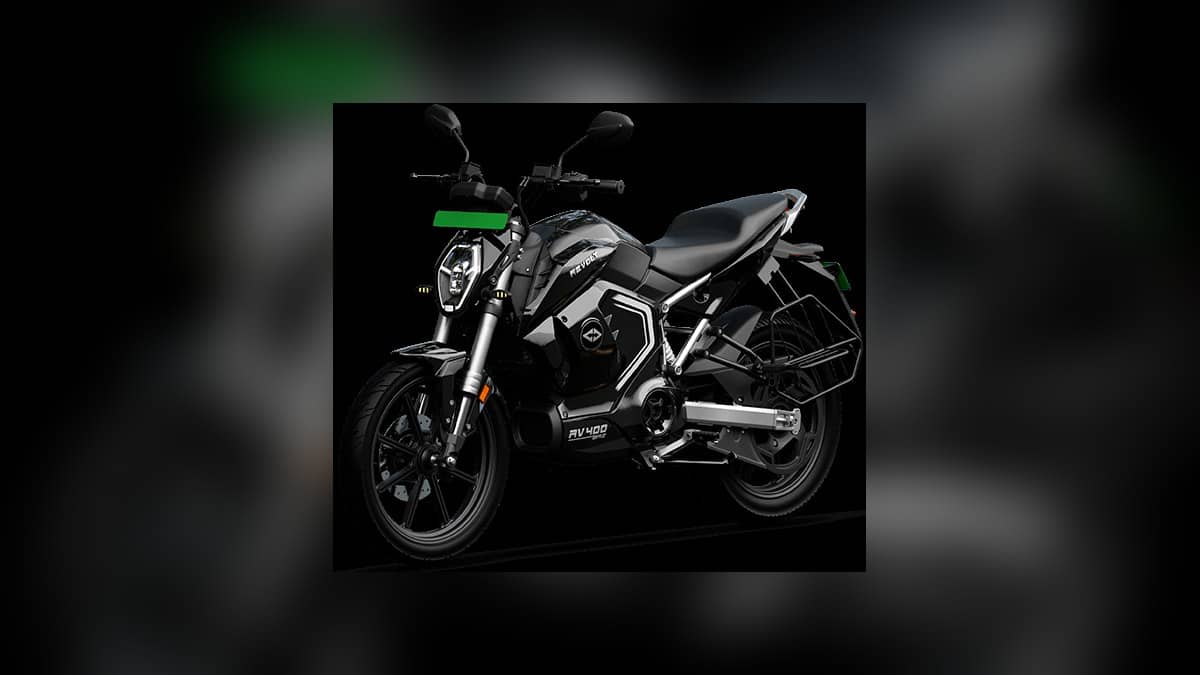
NEW DELHI: Revolt lists the RV400 BRZ at Rs 1,29,950 ex-showroom and the RV400 from Rs 1,39,950, a Rs 10,000 difference. Their official comparison shows the same battery capacity and certified range. The clearest distinction is the RV400's connected equipment, while the BRZ takes a simpler approach to access and everyday operation.
| Official listing | RV400 BRZ | RV400 |
|---|---|---|
| Starting price | Rs 1,29,950 | Rs 1,39,950 |
| Battery capacity | 3.24 kWh | 3.24 kWh |
| IDC range | 150 km | 150 km |
| Top speed | 85 km/h | 85 km/h |
| Regular charging, 0% to 80% | 3 hours 30 minutes | 3 hours 30 minutes |
| Start system | Manual key | Push button with remote key |
Price as of 4 November 2026, 23:54 IST. These are the manufacturer's advertised starting figures, rather than final registration and insurance bills. Revolt's BRZ page explicitly calls its figure ex-showroom. Its main model directory independently displays both starting prices, which helps distinguish the motorcycle price from the monthly finance figures also prominent on the site.
What the Rs 10,000 difference actually changes
The two names can make the BRZ sound like a separate performance class. Yet the company comparison assigns both the same battery, range and maximum speed. On those published measures, paying more for the RV400 does not buy a larger energy reserve. That matters to riders whose first question is whether the more expensive badge means fewer charging stops.
Revolt positions the RV400 as its Smart Sports Bike and the BRZ as its Core Sports Bike. Those descriptions fit the equipment split better than a simple faster-versus-slower reading. The standard RV400 product page concentrates on the MyRevolt app, including remote start and stop, battery information, vehicle location and service access. The BRZ presentation instead stresses simplified operation.
The comparison marks mobile app connectivity for the RV400, while leaving that entry blank for the BRZ. It lists inbuilt GPS on the RV400 and optional GPS on the BRZ. Optional equipment should stay separate from standard equipment when discussing this price gap: adding an accessory later is a different transaction from comparing the advertised motorcycles.
The connected features need their own assessment
The RV400 page describes geofencing alerts, ride history, remote locking functions and emergency contacts. Their value depends on how the motorcycle is used. A rider who regularly leaves a bike in unfamiliar parking places may place more weight on location tools than someone parking within a supervised compound. That is a usage distinction, rather than a claim that connected equipment prevents theft.
Its app also brings service appointments, service history and digital invoices into one place. For an owner keeping maintenance records across several workshop visits, this is a concrete administrative difference. Before accepting a feature demonstration as part of the quoted price, the relevant questions concern activation, account access and any continuing connectivity requirements. The headline price alone does not settle those points.
Charging arrangements remain closely matched
The specification comparison gives both motorcycles 4 hours 45 minutes for regular charging from empty to full. That is a different endpoint from the shorter figure in the table. An owner planning an overnight session and a rider looking for a partial daytime top-up are therefore reading different parts of the same specification, not conflicting promises.
Both use removable batteries, according to Revolt. Its BRZ page says the portable charger can be used at a regular home socket, allowing charging away from the parked motorcycle. In a building where electricity reaches the flat more easily than the parking bay, that arrangement changes the ownership routine: the task becomes carrying and charging the battery rather than installing a socket beside the bike.
The BRZ page also describes upside-down front forks, a rear monoshock, disc brakes at both ends and alloy wheels. These are specific hardware features behind its sports-bike positioning. They should not be confused with a road-test finding about comfort or stopping distance, neither of which follows automatically from a component list.
Warranty and the final invoice
Revolt's BRZ listing states vehicle cover of five years or 60,000 km and battery cover of eight years or 80,000 km. Its battery FAQ applies the earlier limit and mentions replacement if health falls below 70% during the warranty period. That is a defined warranty condition, separate from the headline range claim and from a promise about annual running costs.
For related reading, see our RV400 charging explanation, the wider Revolt price guide and the RVX versus RV BlazeX comparison. Each covers a different part of the range.
Official sources: RV400 BRZ, RV400, model directory and manufacturer comparison.