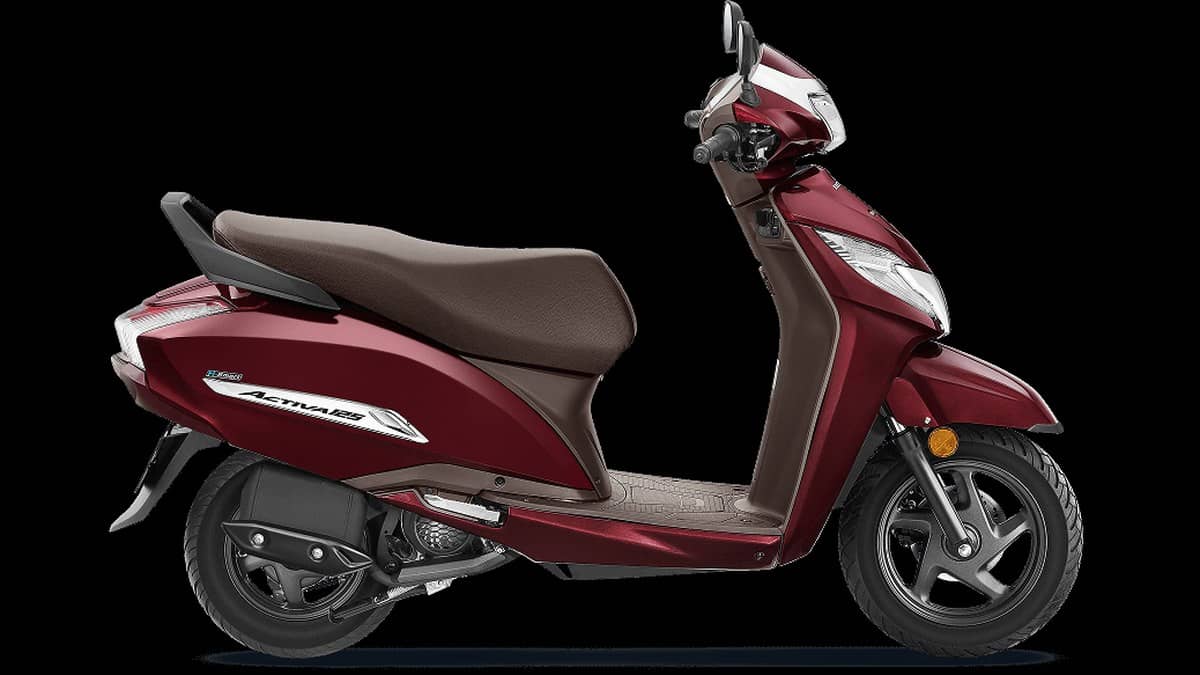
NEW DELHI: Honda lists an Activa125 standard warranty of 3 years or 36,000 km, whichever comes earlier, from the purchase date. Its product FAQ describes cover for defects in components or workmanship and separately excludes normal wear items. An owner preparing a claim should therefore document the fault, purchase date and odometer reading, rather than assume that every repair during the warranty period is free.
| Question | Official position |
|---|---|
| Standard period | 3 years or 36,000 km, whichever is earlier |
| Starting point | Date of purchase |
| Scope described | Component and workmanship defects |
| Normal wear examples | Brake pads, brake shoes and drive belt |
| Consumable examples | Engine oil and air-cleaner element |
Establish which warranty applies
Start with the vehicle's sale documents and the warranty supplied with it. Put the purchase date beside the latest odometer reading. Because the official limit ends at the earlier threshold, being within the calendar period alone does not establish eligibility. A scooter that has already passed the distance limit needs a different assessment from one still within both limits.
Keep the standard warranty distinct from any separately purchased extension. Honda describes extended warranty as additional cover and offers it through authorised dealers. The existence of such a programme does not prove that a particular Activa125 owner bought it. A payment receipt, policy certificate and applicable terms are better evidence than an advertisement mentioning a longer period.
This article concerns the standard Activa125 cover. It does not import a motorcycle mileage limit, an electric-vehicle package or another Activa owner's policy into the scooter's claim. Honda's service pages cover several categories, making the model name and the actual policy documents particularly important when collecting information for a workshop visit.
Describe a symptom before naming a failed part
Prepare a brief account of what happens and when. For example, an intermittent starting complaint is more useful when it states whether the engine was cold, whether the instrument display came on and whether the problem repeated. Those observations help describe the complaint without deciding in advance which component must be replaced.
The Activa125 page distinguishes the H-Smart remote key and self-only starting arrangement from the DLX standard key and self/kick arrangement. Record the exact variant when describing a starting fault. A workshop should not have to infer the key system from the family name, and an owner should not follow a demonstration intended for a differently equipped scooter.
Photographs or a short recording can accompany a written description if the problem is intermittent. Record the date and the odometer reading with the observation. This is practical preparation, rather than an additional warranty condition announced by Honda. The purpose is to make the complaint understandable when the fault does not occur during the first inspection.
Separate defects from ordinary replacement work
Honda explicitly lists normal wear exclusions, including braking parts and the drive belt. That makes the diagnosis important. A request to replace a worn belt and a complaint about a suspected manufacturing defect are not automatically the same claim, even if both begin with an unusual sensation while riding. Ask the workshop to explain its finding in writing.
A useful written explanation identifies the inspected part, the observed condition and the reason for charging or applying warranty. If the explanation merely says that the scooter is old or that a part is consumable, ask which applicable term supports the decision. Conversely, the owner should avoid treating the warranty duration as proof that wear cannot have occurred.
Keep maintenance records with the complaint documents. These records can show what work was performed before the symptom appeared and prevent confusion between an earlier repair and the present problem. Retain the invoice as well as a booking message: an appointment confirms that a visit was arranged, while the completed workshop paperwork records what was actually done.
Make the repair decision clear before collection
Ask for the inspection result, proposed work and any payable amount to be distinguished. A job card recording a complaint is not itself confirmation that Honda has approved a warranty replacement. If paid work is suggested alongside a warranty assessment, request a clear separation so the owner's approval refers to the intended repair.
On collection, compare the completed work with the original complaint. Retain the final job card and invoice, including any reference to warranty handling. If the symptom persists, those documents provide a starting point for the next inspection. This preparation cannot guarantee approval, but it makes the unresolved issue easier to describe and follow.
For related questions, see our Activa110 EW Plus guide, Dio125 service explainer and Dio110 service schedule. Each concerns its named model or programme; use the Activa125 documents for an Activa125 claim.
Official sources: Honda Activa125 warranty FAQ and Honda extended-warranty information.