NEW DELHI: Mahindra's BE 6 SPORTEQ THREE+ starts at Rs 23,95,000 with a 70 kWh battery, compared with Rs 24,90,000 for the XEV 9e Pack Two starting configuration. The calculated Rs 95,000 difference makes these useful trims to compare, but their battery options and equipment packages need to be identified before treating the prices as equivalent specifications.
| Comparison point | BE 6 SPORTEQ THREE+ | XEV 9e Pack Two |
|---|---|---|
| Ex-showroom starting price | Rs 23,95,000 | Rs 24,90,000 |
| Battery at that starting point | 70 kWh | 59 kWh |
| Other battery listed for the trim | 79 kWh | 79 kWh |
| Seating | 5 | 5 |
| Drive | Rear-wheel drive | Rear-wheel drive |
| Wall charger and installation | Excluded | Excluded |
Price as of 4 November 2026, 18:49 IST. The BE figure is in Mahindra's SPORTEQ launch table, cross-checked against the current range descriptions; the XEV figure is on its current official FAQ. These are prices with the battery included, rather than the smaller amounts advertised under separate battery financing.
The trim names now belong to different product line-ups
BE 6 SPORTEQ uses names including ONE, TWO, THREE, THREE+, FOUR and special editions. The XEV 9e continues to use Pack names. A comparison written simply as Pack Two against Pack Two would therefore miss the current naming difference and could accidentally import specifications from an earlier BE 6.
Mahindra's August 2026 SPORTEQ announcement identifies the THREE+ in both 70 kWh and 79 kWh forms. The latter costs Rs 24,95,000 in that table. This matters because a quote carrying THREE+ alone does not establish the battery. The table's lower figure belongs specifically to the 70 kWh version.
The same care applies to the XEV 9e. Mahindra's July 2025 Pack Two announcement explicitly separated 59 kWh and 79 kWh versions. Its current FAQ still lists both capacities for Pack Two. An equipment description taken from a Pack Two advertisement should consequently be matched to the battery named in the quotation.
The cabin comparison has changed
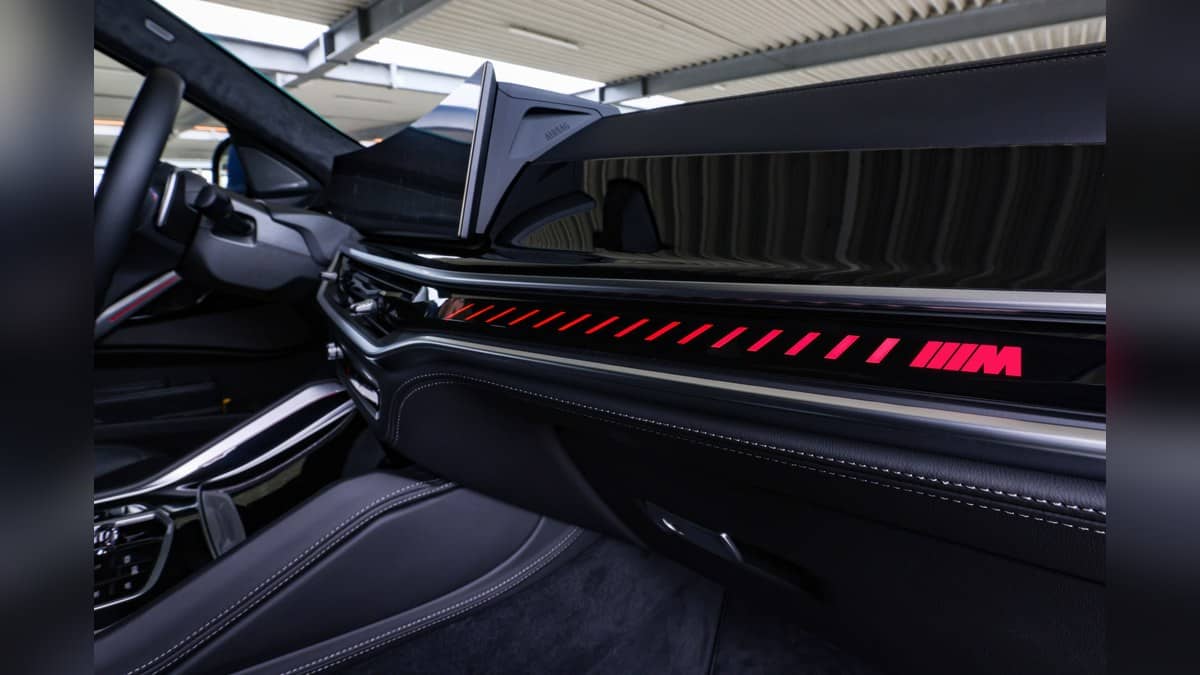
The SPORTEQ announcement says the BE now receives a three-screen cockpit from TWO upwards. Its Formula E Freedom Edition instead retains a two-screen, race-inspired arrangement. A comparison based on older photographs could therefore wrongly describe every BE as having fewer screens than the XEV.
The XEV 9e Pack Two announcement lists the coast-to-coast triple-screen layout, a fixed glass roof and a Harman Kardon audio system with Dolby Atmos. These are specific cabin provisions, not evidence that every feature offered on the flagship Pack Three is also included in Pack Two.
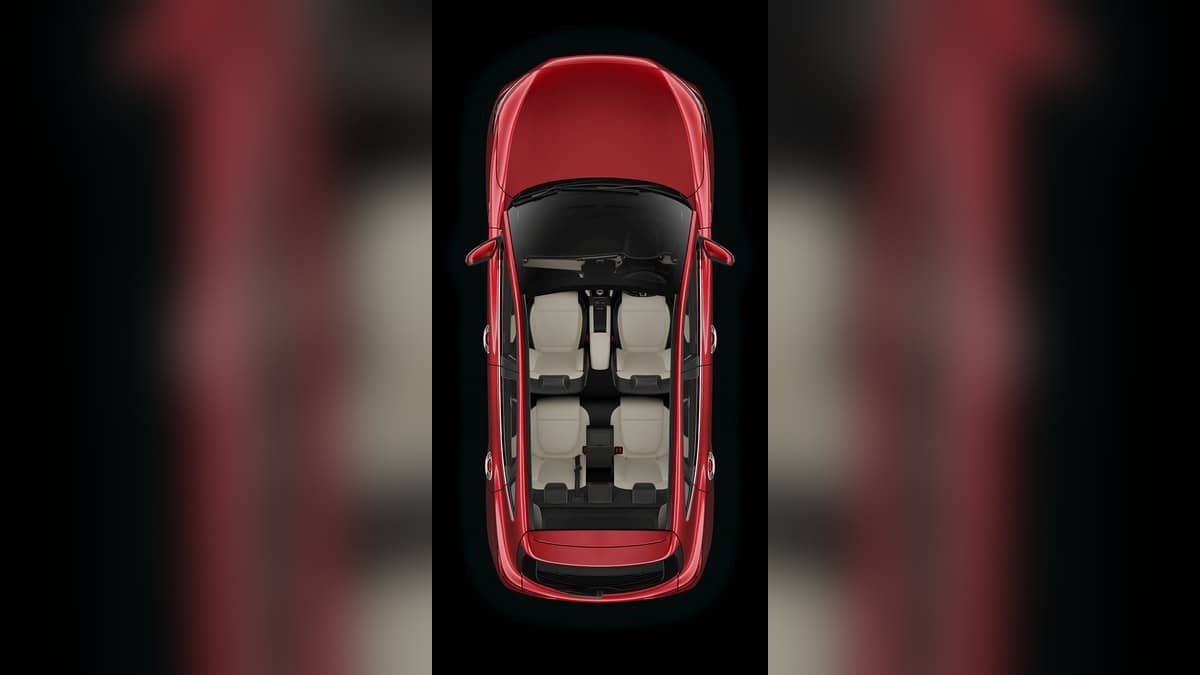
For a household carrying adults in the rear, a useful demonstration would include the same passengers in both vehicles. Screen count alone cannot establish the preferred seating position, outward view or ease of entering the cabin. Those are practical questions that a shared platform and similar price do not settle.
Battery capacity is a separate specification
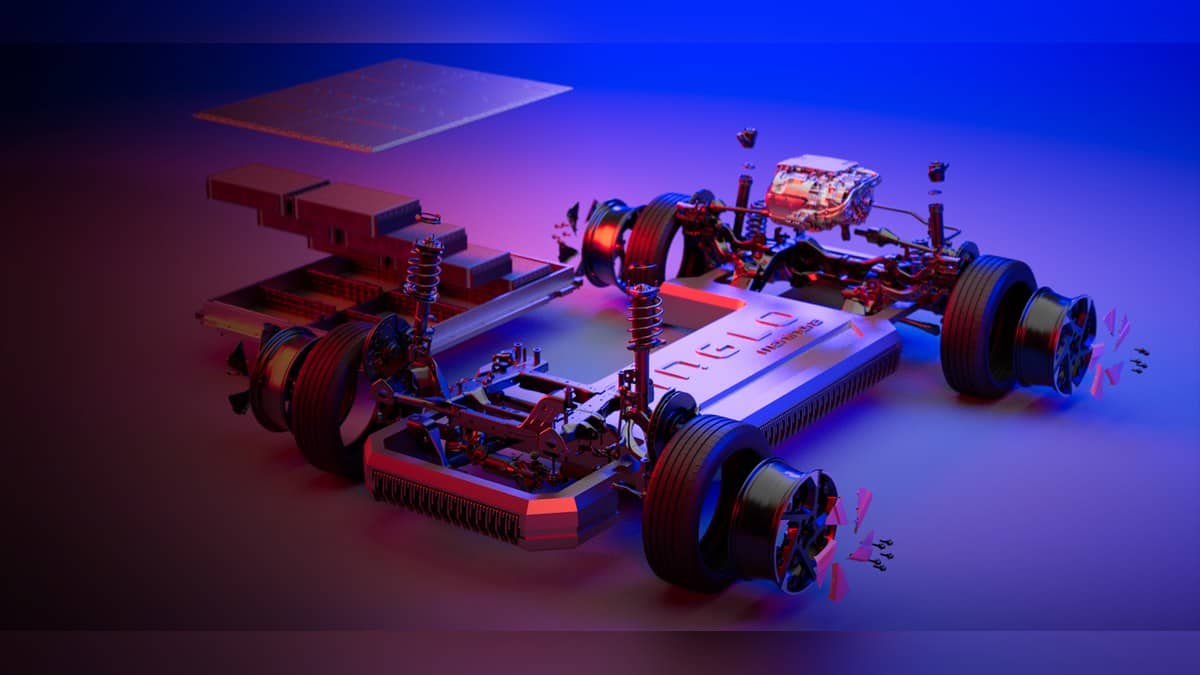
Both cars use Mahindra's INGLO electric architecture. Mahindra describes it as a modular skateboard arrangement intended to make space available for passengers. The architecture page also describes battery thermal protection and water-leakage protection, but those platform statements should not replace the battery and equipment specification of the individual trim.
In its Pack Two release, Mahindra specifies different DC charger requirements for its published charging result: a 140 kW charger for the 59 kWh pack and a 175 kW unit for the 79 kWh pack. That is a reason to read the conditions attached to a charging claim rather than transfer a single headline time across every battery.
Our existing XEV 9e charging guide explains the stated battery window. The BE 6 range price report provides broader line-up context. This comparison focuses on the two named trim starting points.
Finance changes the payment structure
Mahindra's dedicated BaaS FAQ describes a dual-loan product in which the customer owns both the vehicle and battery. It explicitly says there are no battery usage charges linked to kilometres driven. A displayed effective cost per kilometre is therefore an illustration attached to financing assumptions, not a meter-based battery rental bill.
The same FAQ says the vehicle and battery can have separate EMI components, with terms determined by the financier. Its displayed prices exclude wall charging equipment and installation. Those items should remain visible in any comparison of total expenditure, even when the advertised upfront finance amount looks substantially smaller.
The existing battery finance explainer offers wider context. For these two Mahindra trims, the useful written comparison is the full trim name, battery capacity, wall-charger provision and combined payment obligation. That preserves the meaning of the starting-price gap without assuming the two configurations are interchangeable.
Official sources: Mahindra model FAQs, SPORTEQ price announcement, Pack Two specifications, INGLO and BaaS terms.