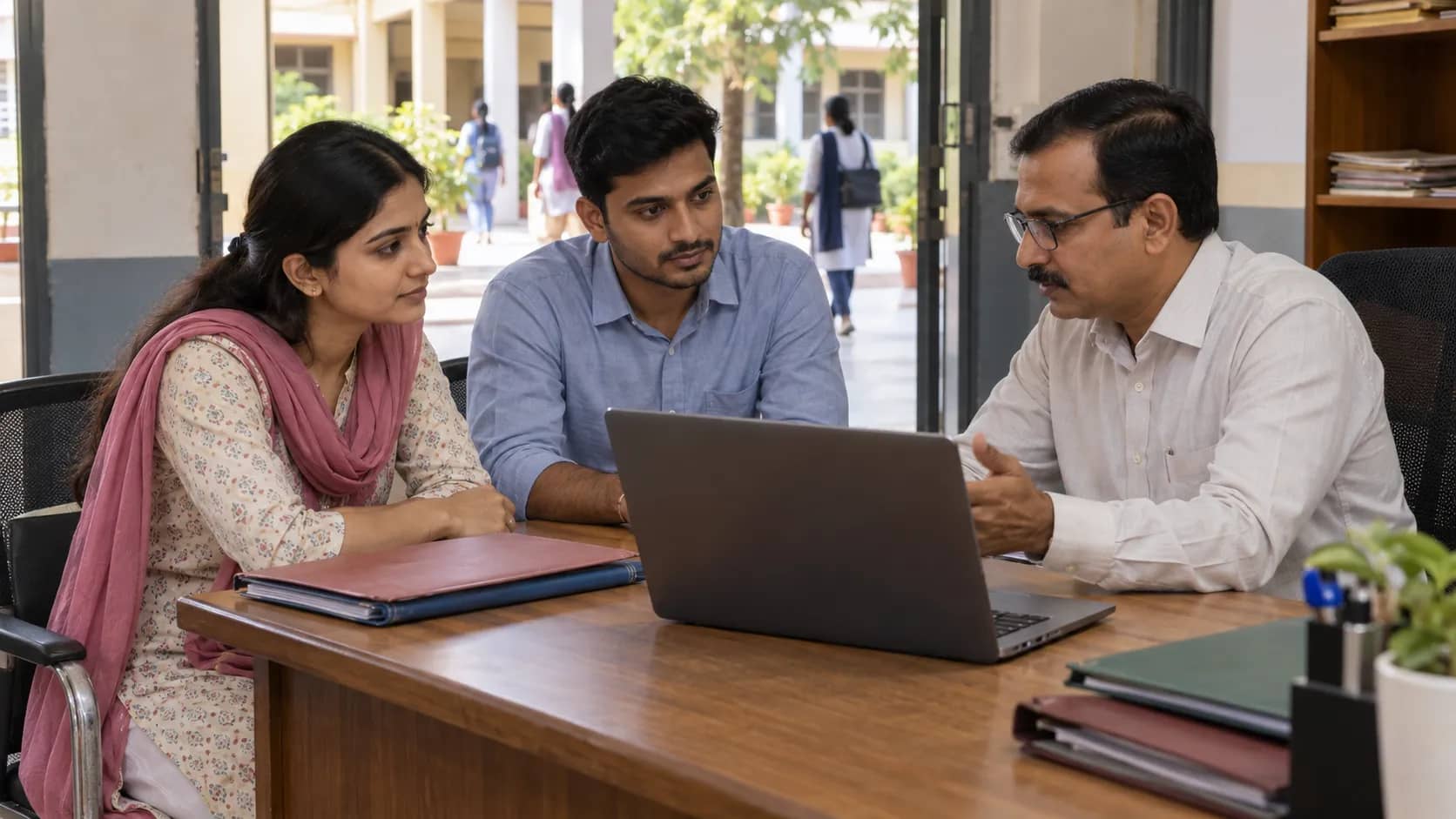
Nine government Industrial Training Institutes in Surat and Visakhapatnam will be upgraded through an industry-led partnership after the Centre, the two state governments and ArcelorMittal Nippon Steel India signed shareholder agreements under PM-SETU. The Ministry of Skill Development and Entrepreneurship announced the agreements on 12 October.
The approved investment is approximately Rs 440 crore: Rs 240 crore for five ITIs in the Surat cluster and Rs 200 crore for four in Visakhapatnam. These are approved project amounts. The announcement does not say that construction, equipment installation or the revised training programmes have been completed.
Dedicated special purpose vehicles will manage the upgrades and subsequent operations. AM/NS India will hold 51% in these companies; the Union government and the relevant state government will each hold 24.5%. The Directorate General of Training is a party to the agreements alongside Gujarat, Andhra Pradesh and the industry partner.
Workshops and teaching both enter the plan
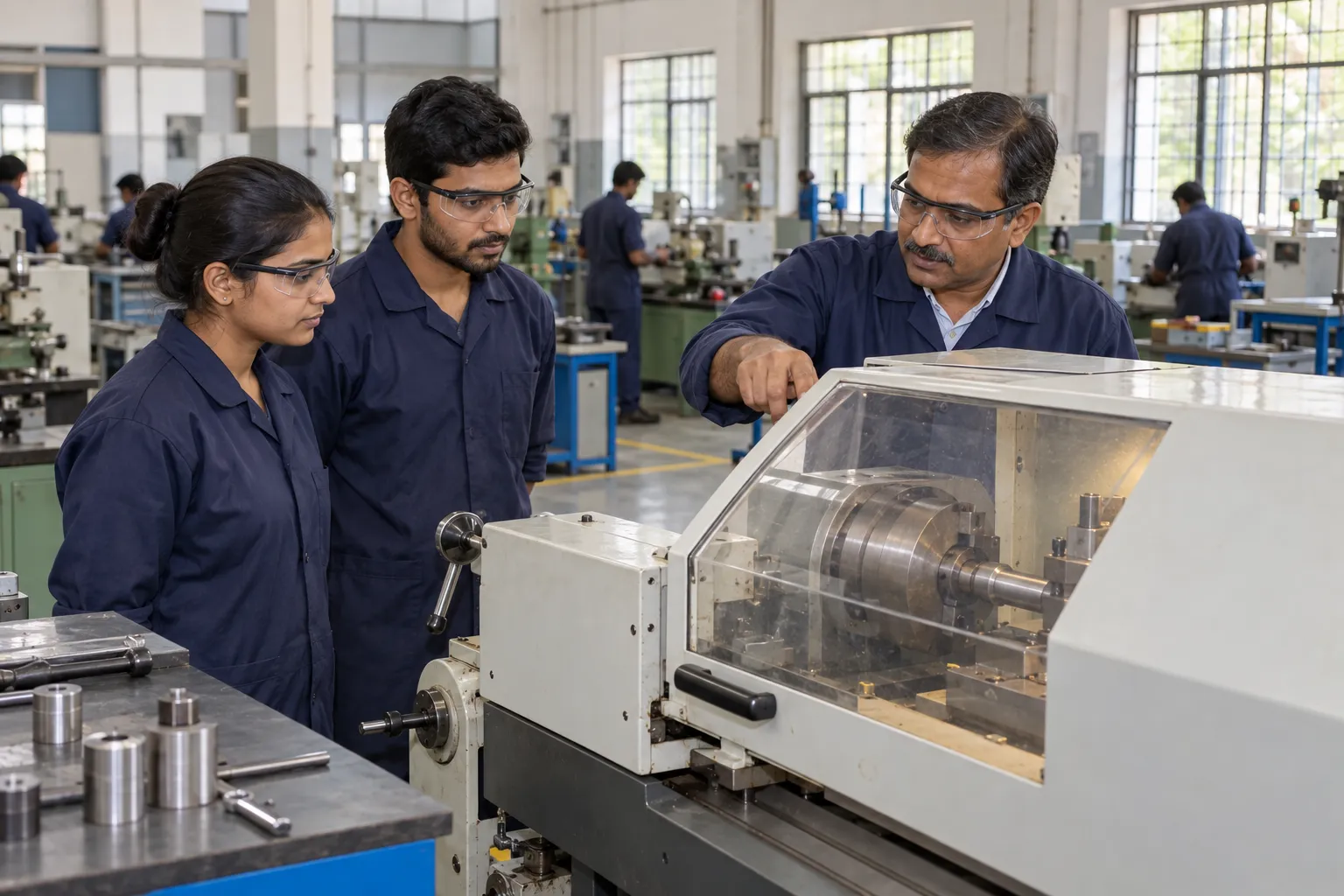
According to the ministry's announcement, the work covers laboratories and workshops, revised courses and newer industry-relevant trades. Instructor development and more practical training are also planned. New Age Makers' Institute of Technology, or NAMTECH, is the academic and technical partner responsible for supporting changes in curriculum and teaching.
For a trainee, the useful test will be what changes inside the classroom and workshop. A refurbished building by itself cannot show whether students get more time on equipment or whether instructors have been prepared to teach a new trade. Those details will become clearer through the individual institutes' implementation and course notices.
The PM-SETU Component I guidelines, dated September 2025, set out a government-owned, industry-managed model. Nationally, the ITI component is organised around 200 hubs and 800 spoke institutes. A hub is intended to support the surrounding cluster rather than operate as an isolated upgrade project.
The guidelines give the management vehicle responsibilities extending beyond buying machines. They cover training operations and staff management, maintenance of facilities and changes to courses. Licensing agreements are meant to specify the operating obligations and performance measures. This is the broader scheme framework; the 12 October release does not publish the individual licensing terms for the nine institutes.
PM-SETU has a national outlay of Rs 60,000 crore and envisages upgrading 1,000 government ITIs and strengthening five National Skill Training Institutes. These national targets should not be confused with the Rs 440 crore approved for the two clusters. Dalimss News previously reported on the scheme's first-year rollout and investment plans.
The national guidelines allow course design to respond to local industry needs, including changes in teaching methods and course duration. They also provide for training of trainers at hub institutes and student support such as counselling and industry links. These provisions describe what the scheme permits; they are not confirmation that every listed service is already available in Surat or Visakhapatnam.
Admission details will need separate notices
The new agreements concern how the institutes will be upgraded and managed. They do not announce a new admission round, a seat increase or a revised fee structure. A student choosing a course therefore still needs the relevant state or institute admission notice, including its eligibility conditions and application dates.
The ministry has not named all nine ITIs in this release or given a completion date for the work. It has also not provided a list of the new trades to be offered at each location. The cluster totals cannot safely be used to infer that every institute will receive the same facilities or the same share of investment.
Applicants comparing training options should keep the programme announcement separate from a live opportunity to enrol. The distinction also applies to other education notices, such as the current SWAYAM examination application process, where a published registration schedule specifies what learners can actually do.
The next useful information for these two clusters will be institute-wise course plans and the timetable for bringing upgraded facilities into use. Until those are published, the signed agreements establish the management arrangement and approved investment, while the student-facing changes remain to be detailed.