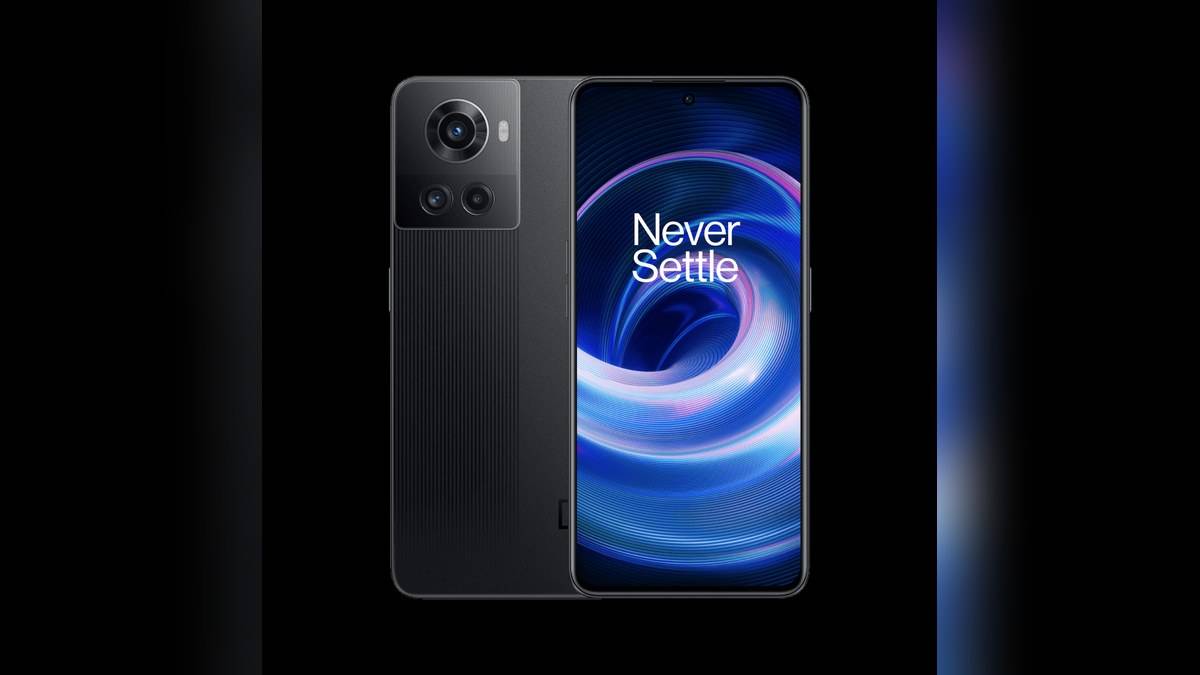
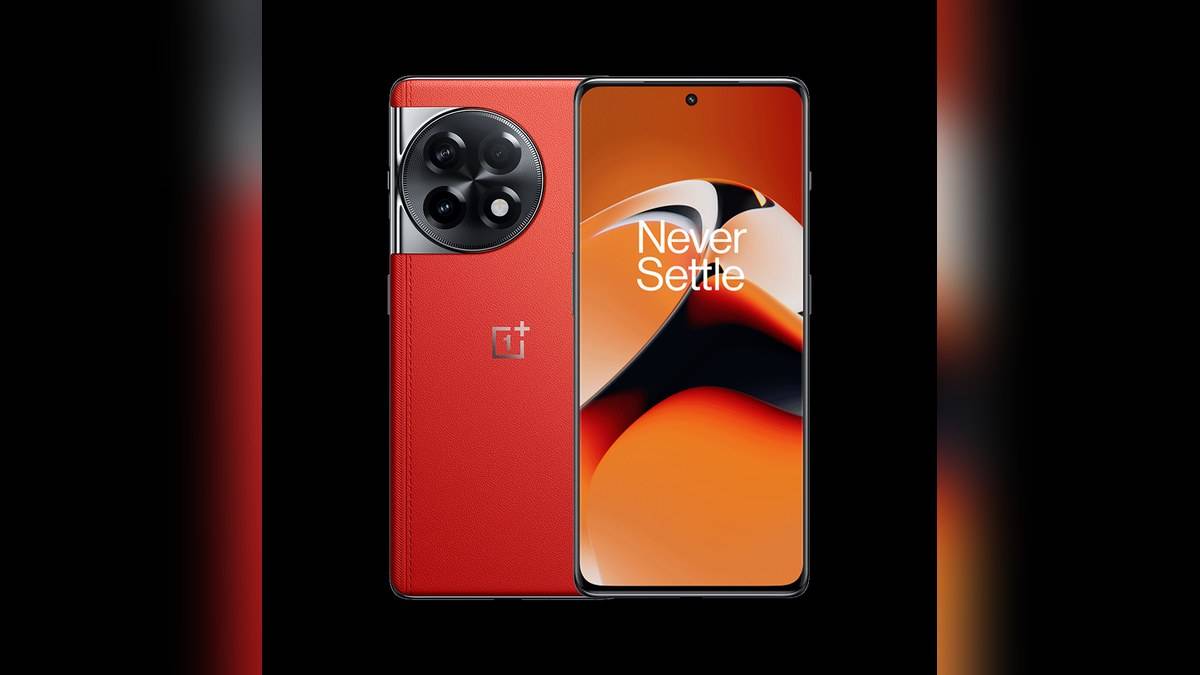
NEW DELHI: OnePlus lists 18GB LPDDR5 RAM for the Solar Red 11R 5G, while the specification page describes the 8GB and 16GB versions as LPDDR5X. The larger capacity and the memory standard are separate entries. Readers identifying the red model should retain both details rather than assuming the largest RAM figure also carries the same memory label as the other versions.
| Item | Official figure or detail |
|---|---|
| Solar Red RAM | 18GB LPDDR5 |
| Other listed RAM options | 8GB or 16GB LPDDR5X |
| Solar Red published MRP | Rs 45,999, including taxes |
| Range starting figure | Rs 39,999; no complete variant price mapping |
| Processor | Snapdragon 8+ Gen 1 |
| Charging and battery | 100W SUPERVOOC, 5,000mAh typical |
Read the complete memory line
The India page separates RAM into two lines, putting Solar Red in its own entry. This is a useful example of why a headline such as up to 18GB cannot describe the entire range. It states a ceiling across versions. It does not mean every 11R has that capacity, or that all configurations use an identical memory specification underneath the number.
Capacity and memory technology answer different questions. One tells the reader how much working memory is specified; the other identifies the type listed by the manufacturer. Neither should be silently substituted for the other. For this model, an accurate description of Solar Red preserves the LPDDR5 label even though a reader may have seen LPDDR5X associated with an 11R elsewhere.
The original prices are reference points
The overview page says the 11R starts at Rs 39,999, inclusive of taxes. The specification page separately lists Rs 45,999 for Solar Red. It does not give a complete price mapping for every ordinary memory configuration, so no missing variant price is inferred here. These are published reference figures for an older phone, not verified present checkout offers. Price as of 11 November 2026, 00:12 IST.
That limitation matters when using an old specification page to identify hardware. A starting figure belongs to the range until the source explicitly attaches it to a configuration. It cannot be stretched into an all-variant price table by borrowing numbers from memory or unrelated listings. The red model has its own stated MRP, which is the usable price evidence for this explainer.
What the app-retention claim establishes
OnePlus promotes up to fifty applications with its RAM-Vita feature on the overview page, attributing the figure to testing. That is a brand claim about a workload, not a promise that any selection of demanding applications will stay active indefinitely. The phrase should remain attached to its test context rather than becoming an instruction to keep filling memory until that count is reached.
For someone using a phone through a workday, the better question is which interrupted tasks need to resume cleanly. An unfinished form, a document being annotated and a conversation being revisited are different situations. A large advertised application count cannot settle each one. The memory specification helps describe the handset; a repeatable check with the owner's actual applications is needed to describe their experience.
Storage remains a different resource
The same specification page lists UFS 3.1 storage capacities separately from RAM. Files, saved videos and downloaded material belong to the storage discussion. Keeping more applications ready to resume belongs to working-memory management. A phone can have ample room for photographs and still reload an application, or have generous working memory while its saved files need organising. The numbers should not be added together.
This distinction is useful when a Solar Red handset changes hands within a household. Note its complete identity, check the installed software and review the stored material before copying over another person's files. A higher RAM total is not a backup plan. Photos and documents still need deliberate organisation, and deleting an application from recent tasks should not be confused with deleting its saved files.
The rest of the 11R still shapes the experience
OnePlus lists Snapdragon 8+ Gen 1 as the processor and 100W SUPERVOOC with a typical 5,000mAh battery. The product page also describes a 120Hz display. Those specifications show why a RAM entry cannot stand in for a complete description of the phone. They do not establish a measured speed advantage for Solar Red over another version.
The software description belongs to the original Android 13 generation. An older product page is useful for identifying original hardware, but it should not be treated as a live report of the software currently installed on a particular handset. Keep original specification, present device condition and current application behaviour as separate checks when assessing an existing phone.
Who needs this distinction
This guide is for owners documenting a Solar Red handset, people checking an inherited phone and readers comparing conflicting specification summaries. Record the RAM capacity and standard together. Avoid turning the larger number into a universal performance ranking when the official page supplies no matching test that supports one.
For related specification questions, read our 12R refresh-rate explainer, OnePlus 11 variant guide and 13 and 13R comparison. The shared branding does not make their memory specifications interchangeable with those of the Solar Red 11R.
Official sources: India specifications, Product overview.