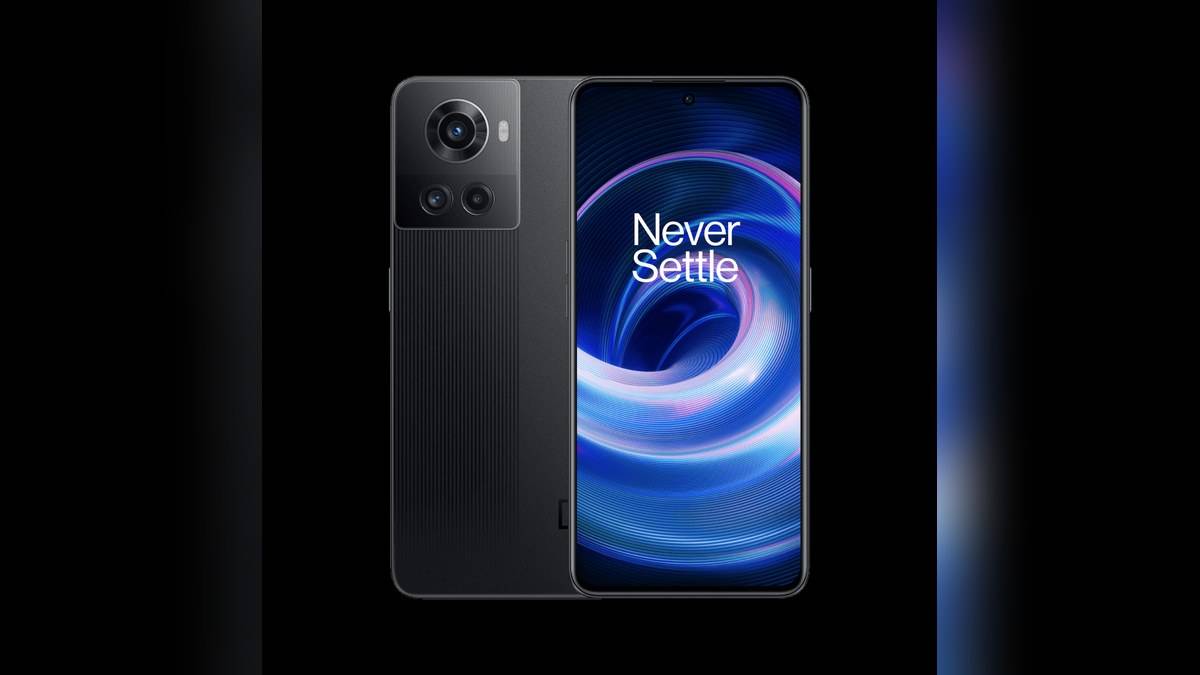
NEW DELHI: The OnePlus 10R 5G uses a 4,500mAh battery in its 150W SUPERVOOC version, while the 80W versions have 5,000mAh. The faster system belongs to the 12GB RAM and 256GB Sierra Black configuration specified by OnePlus. Memory capacity alone does not identify it, because another 12GB/256GB version uses 80W charging. Owners checking charging behaviour need the complete variant description.
| Item | Official figure or detail |
|---|---|
| 8GB + 128GB | 80W, 5,000mAh, MRP Rs 38,999 |
| 12GB + 256GB, 80W | 5,000mAh, MRP Rs 42,999 |
| 12GB + 256GB, 150W | 4,500mAh, MRP Rs 43,999; Sierra Black |
| 150W test | 1% to roughly 70% in 10 minutes, official adapter, screen off |
Start with the battery and charging combination
The India specification page lists three combinations. Their published MRPs, including taxes, are Rs 38,999 for 8GB/128GB with 80W, Rs 42,999 for 12GB/256GB with 80W, and Rs 43,999 for 12GB/256GB with 150W. These are reference MRPs on an older specification page, rather than newly verified checkout prices. Price as of 11 November 2026, 00:12 IST.
The difference between the two equally sized memory versions is therefore more than an accessory bundled with a phone. OnePlus specifies a different battery capacity alongside the different charging capability. An owner searching only for the model name or the RAM total could easily apply the wrong expectation. Record the battery and charging version together when comparing the original paperwork with a product description.
What the faster-charging claim actually measured
OnePlus describes a laboratory result in which the 150W model charged from 1% to roughly 70% in ten minutes. The test used the official SUPERVOOC adapter, kept the screen off and began with the phone and ambient environment at 25 degrees Celsius, allowing a one-degree variation. It was a partial-charge test with stated conditions, not an unconditional full-charge promise.
The distinction is useful in everyday Indian use. Charging a handset while a navigation app remains visible, taking calls or watching a video is not the screen-off scenario described by the brand. That observation does not predict a replacement charging time. It explains why reproducing an advertisement requires checking its starting point and workload rather than simply timing any session at a wall socket.
OnePlus also links the result to its own day-of-use model. A laboratory usage profile cannot tell every owner how many hours a top-up will last. Someone spending the afternoon on calls and someone leaving the phone mostly idle have different demands. Treat the battery percentage reached as the measured charging claim, while keeping the duration-of-use claim tied to the manufacturer's test profile.
Do not confuse watts with stored energy
The 150W figure names the adapter output capability in OnePlus's explanation. Battery capacity is a separate specification. The larger battery belongs to the lower-wattage version here, so choosing the larger number in one column does not also maximise the other. Neither number alone supplies a reliable ranking of real-world endurance or the condition of an individual older battery.
This is especially relevant when a 10R is being passed to another member of a family. Keep its charging accessories and variant information together. A short note identifying the version is more useful than the loose description that it is the fast-charging OnePlus. If charging behaviour changes, that information gives a service technician a clearer starting point than an assumed claim based only on the phone name.
What is shared across the versions
The wider specification lists MediaTek Dimensity 8100-MAX, LPDDR5 memory and UFS 3.1 storage. The screen is a 6.7-inch OLED with listed adaptive rates of 60Hz, 90Hz and 120Hz. Those shared features explain why two phones can look and behave similarly in daily tasks while belonging to different charging configurations. This article does not infer a difference in gaming speed from charger wattage.
The manufacturer also restricts its highlighted Battery Health Engine cycle claim on the overview page to the 150W version. That qualification should stay attached to the claim when discussing the range. A capability promoted for the lead version does not automatically become a specification for every product carrying the 10R name. This is the same reason the battery entries must remain separate.
Who this explanation is for
The guide is for existing owners, relatives setting up a handed-down handset and readers checking a detailed model description. Begin with the full configuration, then compare the charging claim that actually applies. It is not a current purchase recommendation, and the old MRP table does not establish what any seller can supply today.
For other examples of specifications that need their conditions, see our Nord CE4 charging-test explainer, OnePlus Pad 3 adapter guide and OnePlus 12R display guide. Their figures apply to their own models, rather than serving as substitute targets for a 10R.
Official sources: India specifications, Product overview.