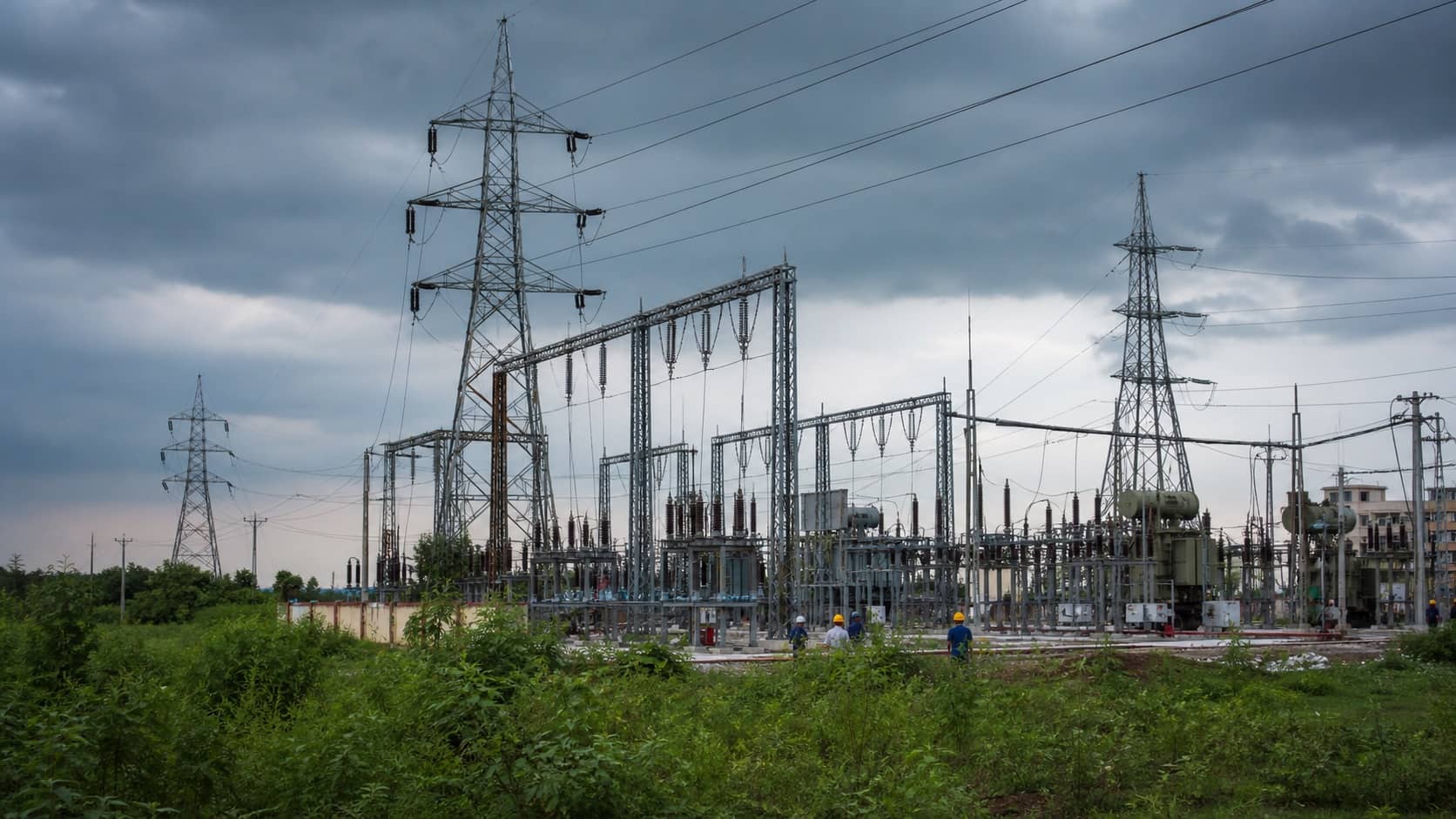
A newly built high-tension line is set to give about 18,000 electricity consumers in Sujabad and Chandasi a second supply route, a practical change that could reduce the scale of outages when the existing feeder develops a fault. The line, drawn from the Sahupuri substation, has completed its trial run, according to a local report published on Saturday.
The immediate beneficiaries are the roughly 7,000 consumers connected with the Sujabad substation and another 11,000 served by Chandasi. These areas sit on the eastern edge of the Varanasi urban belt, where domestic demand, commercial activity and summer cooling loads can put pressure on a limited distribution network. Until now, a problem on the principal incoming line could interrupt supply across a large stretch at once.
The new arrangement is not simply an extra local feeder. It creates an alternative source from Sahupuri that engineers can use when the older route is unavailable or under maintenance. Half of the new alignment has been laid underground while the remaining section is overhead, reflecting the different conditions along its route. Underground cabling can help in congested or sensitive stretches, while overhead construction is easier to inspect and repair in open areas.
Passing a trial is an important milestone, but it is not the same as a guarantee that every local interruption will disappear. Consumers can still face cuts caused by damaged neighbourhood transformers, low-voltage faults, overloaded distribution lines or planned maintenance. What the second high-tension source changes is the network’s resilience at the substation level: engineers have another path through which electricity may be restored or transferred.
For Sujabad and Chandasi, that distinction matters most during peak summer and stormy weather. A single upstream failure can otherwise leave homes, shops, water pumps and small workshops without power for hours while crews locate and repair the problem. A functional backup line gives the control room more room to isolate the affected section instead of waiting for the entire source to return.
Residents will judge the project by performance rather than inauguration. The useful indicators will be whether long outages become less frequent, whether changeovers happen quickly and whether voltage remains stable when load is shifted. Regular trimming around overhead sections and inspection of underground joints will also be essential.
The line’s successful trial means the physical work has reached an operational stage. Once it is fully integrated into routine switching plans, the additional connection should make the local grid less dependent on one route. For 18,000 consumers, the real gain is straightforward: a fault on the old line should no longer automatically mean that an entire service area goes dark.