Munshi Premchand’s Lamahi Home Set For Museum Upgrade
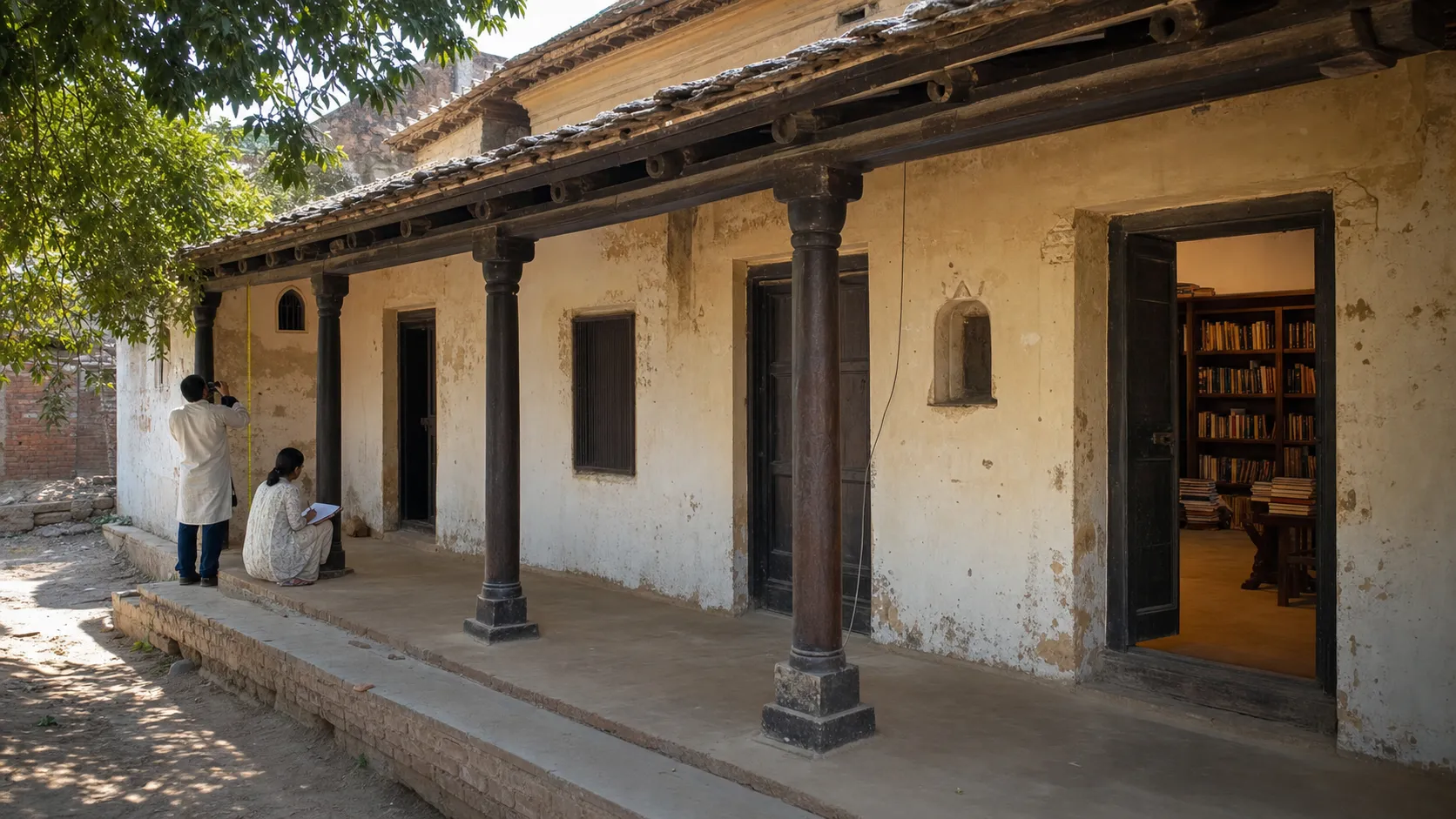
VARANASI: Lamahi is preparing for another attempt to make its most famous address speak clearly to a new generation. The ancestral home of Munshi Premchand is set for redevelopment, along with an upgrade of the museum connected to the writer, under the Varanasi projects being launched on Sunday.
Premchand’s relationship with the village is not a decorative footnote. Lamahi shaped the social world from which he observed rural hierarchy, debt, dignity, labour and the uneasy distance between power and ordinary households. Visitors arrive looking for that connection. A successful museum must offer more than a freshly painted building and a timeline mounted behind glass.
The official project announcement does not yet describe the final galleries or conservation plan. That makes the next stage important for writers, teachers, archivists and residents. Original material needs controlled light, humidity and secure storage. Reproductions should be clearly labelled. Translations and audio material can help visitors who do not read Hindi or Urdu, while Braille and accessible digital formats would widen the museum’s audience.
The house itself requires restraint. Heritage work can easily polish away the scale, texture and domestic detail that make a place believable. Repairs should stabilise the structure without turning it into a themed set. Every new fixture—from electrical wiring to ramps and display cases—needs to sit respectfully within the older fabric.
Lamahi’s village setting should also remain part of the visit. Better approach roads, signs, toilets and shaded waiting space may be necessary, but uncontrolled souvenir construction or loud commercial frontage would weaken the atmosphere. Local residents can benefit through trained guiding, small reading events and carefully managed craft or book sales, provided the model does not hand the entire experience to outside contractors.
There is an educational opportunity here that goes beyond tourism. Schools in Varanasi could use the museum for short workshops on reporting, storytelling and social observation. University students could work on translations, oral histories and cataloguing. A small reading room with reliable opening hours would give the site a life between anniversary programmes.
Premchand is often reduced to exam notes: dates, titles and a few approved lines about realism. Lamahi can complicate that tidy version. It can show the physical world behind the stories and invite readers to ask why questions of inequality, aspiration and rural change still feel contemporary.
The redevelopment will be judged by what is preserved, not by how much is newly built. Once detailed plans emerge, public access, archival standards and the role of the village should be clearly explained. Premchand’s home does not need spectacle. It needs care, context and enough quiet for a visitor to leave wanting to read him again.
Sources and reporting
Based on the Prime Minister’s Office project note for the 2 August 2026 Varanasi development programme, reviewed on 1 August 2026.
Related Stories
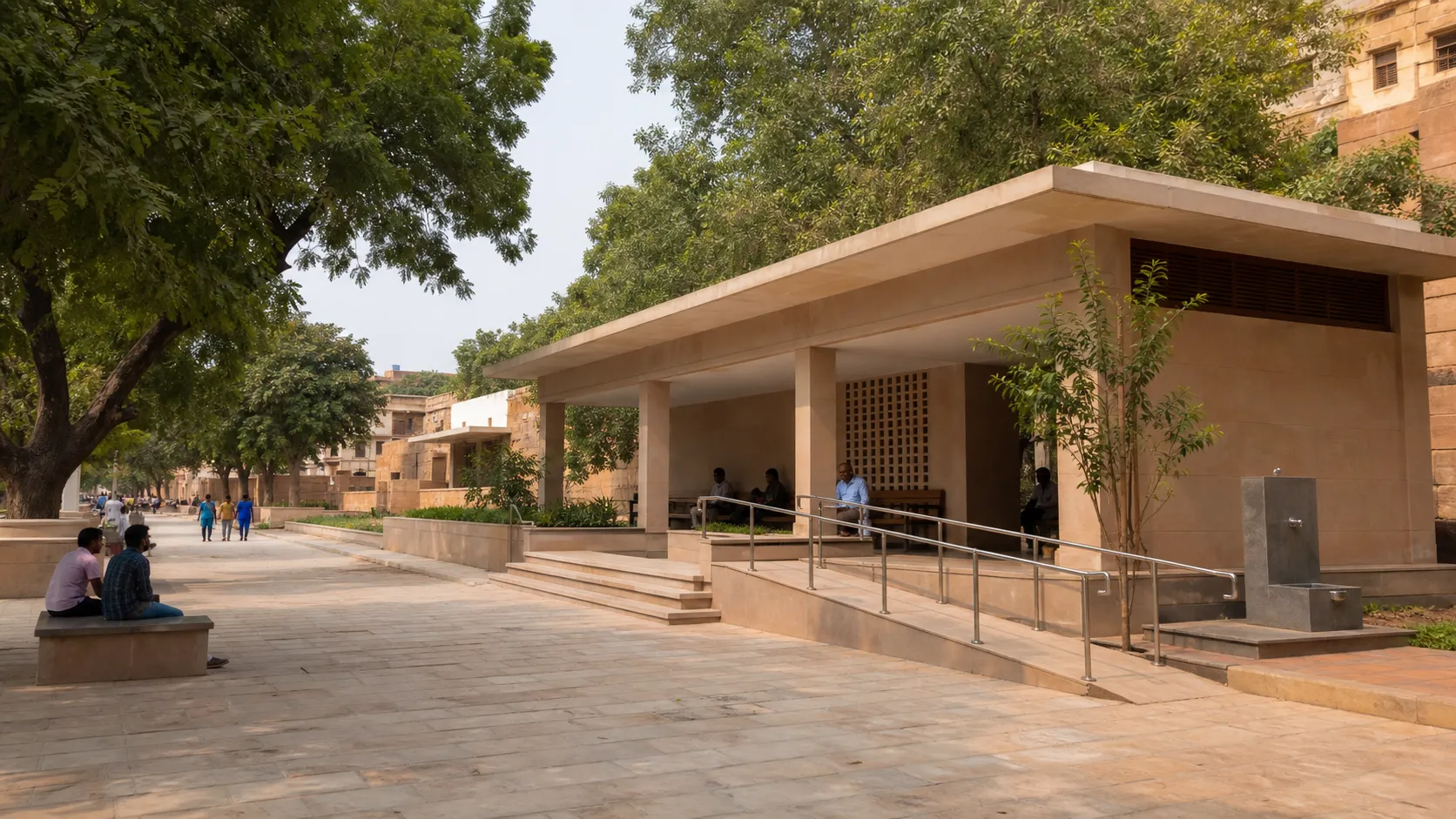
Three City Facility Centres Planned Across Varanasi’s Heritage Zones
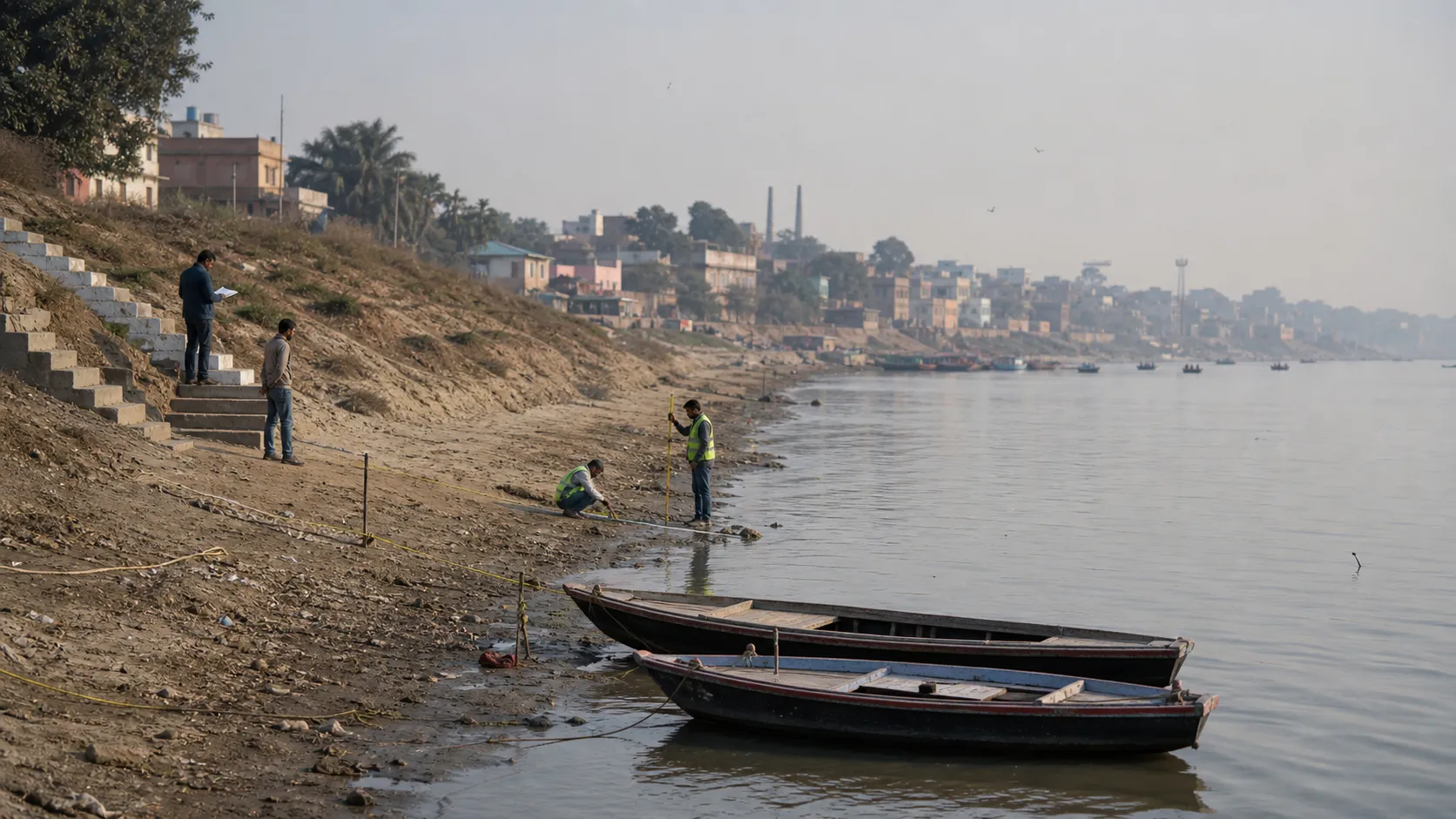
Eight Riverfront Ghats Enter Varanasi’s New Tourism Works List
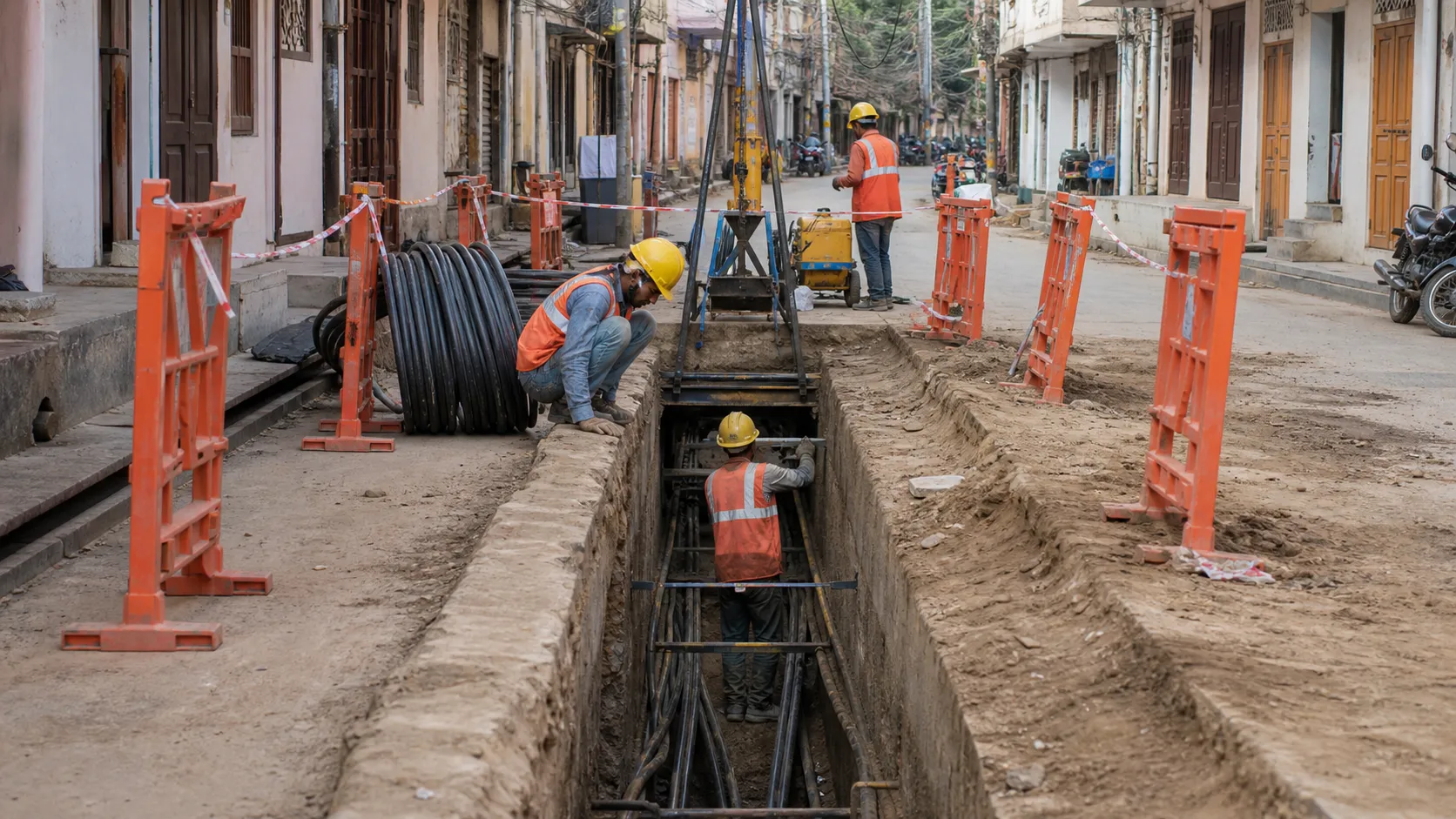
₹880 Crore Power Upgrade Brings Underground Cables Back To Varanasi’s Agenda
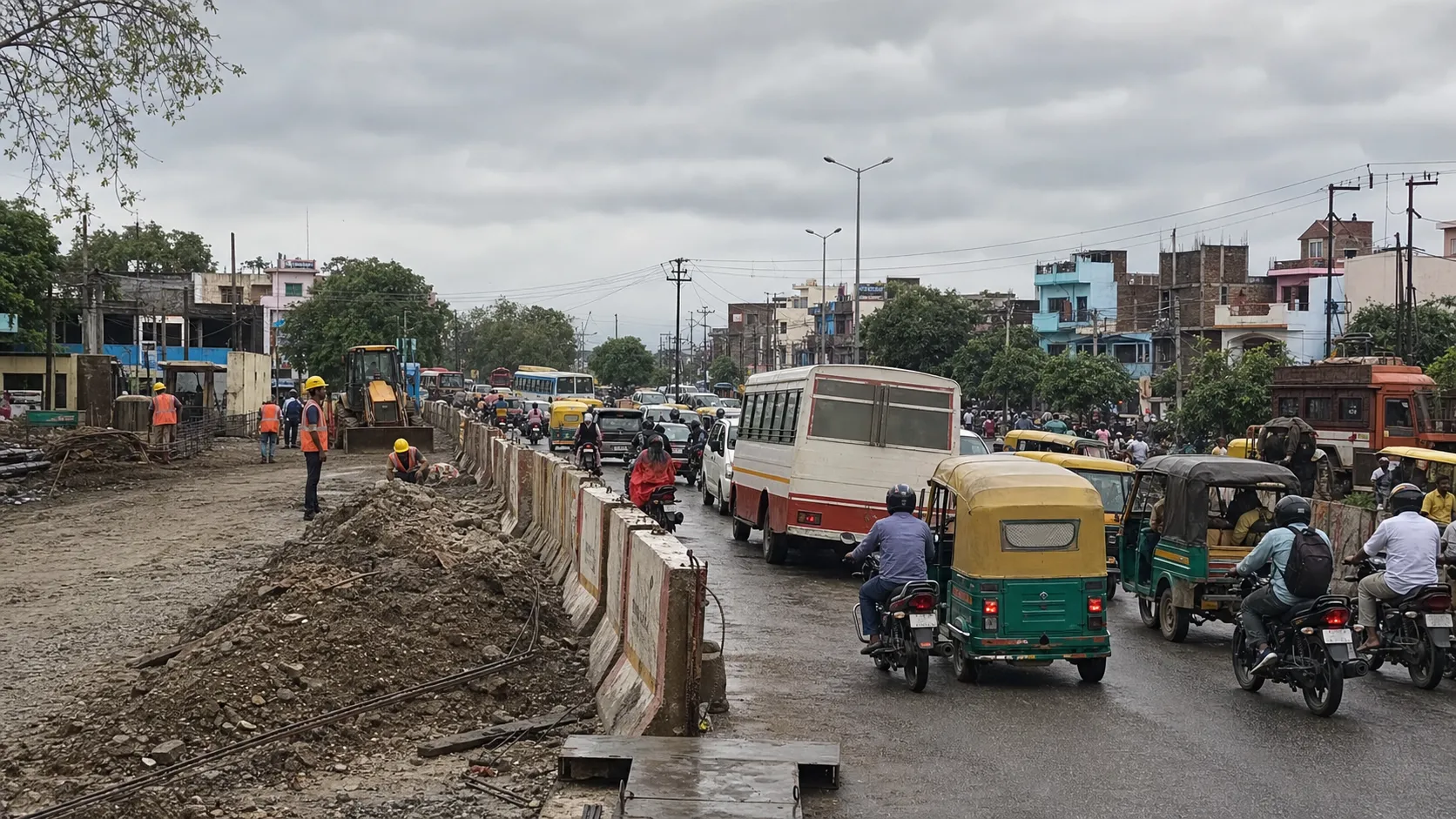
Varanasi Road Package Targets Daily Choke Points Beyond The Big Corridors
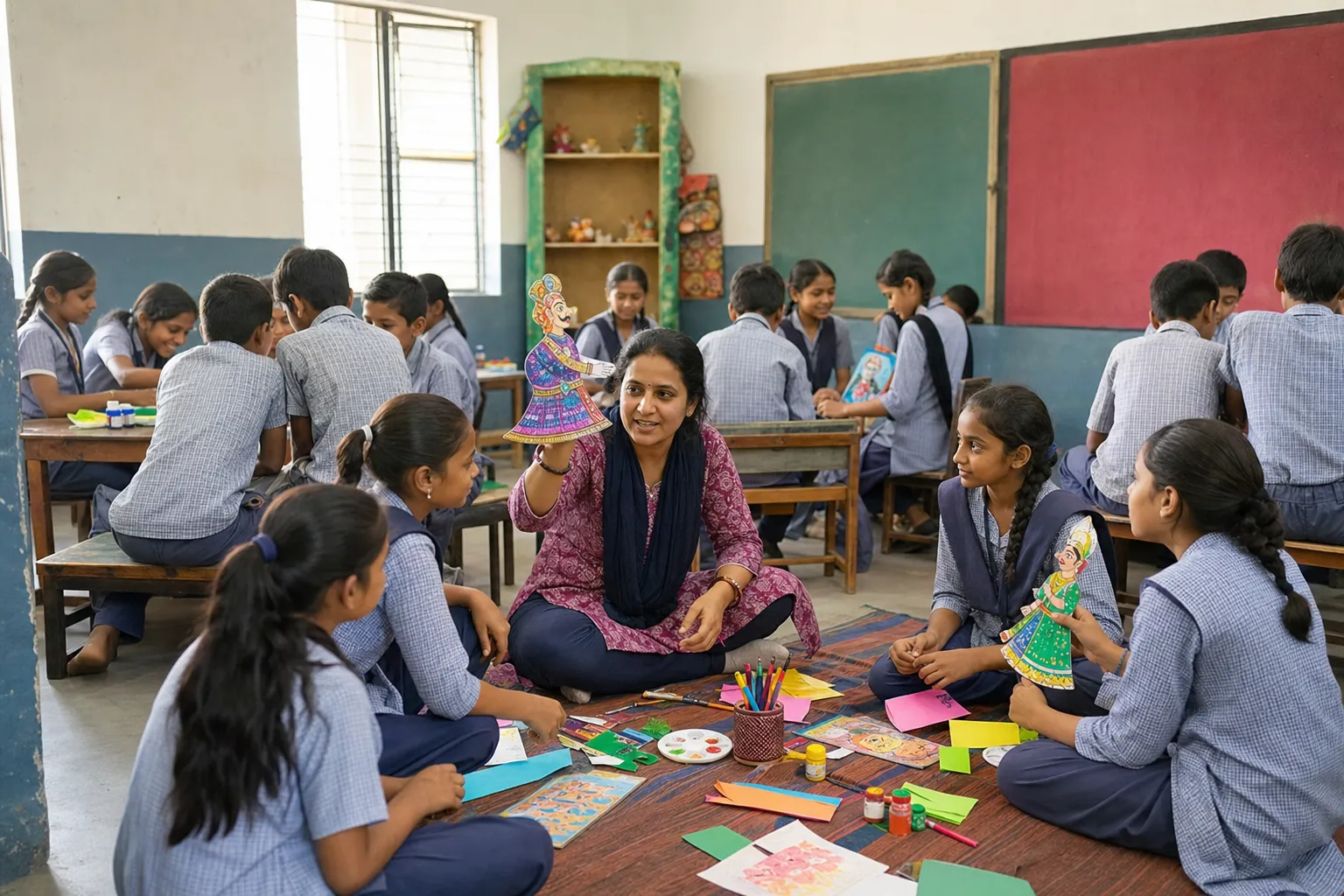
Gurugram Teachers to Join Arts-Based Classroom Training