
Eight Riverfront Ghats Enter Varanasi’s New Tourism Works List
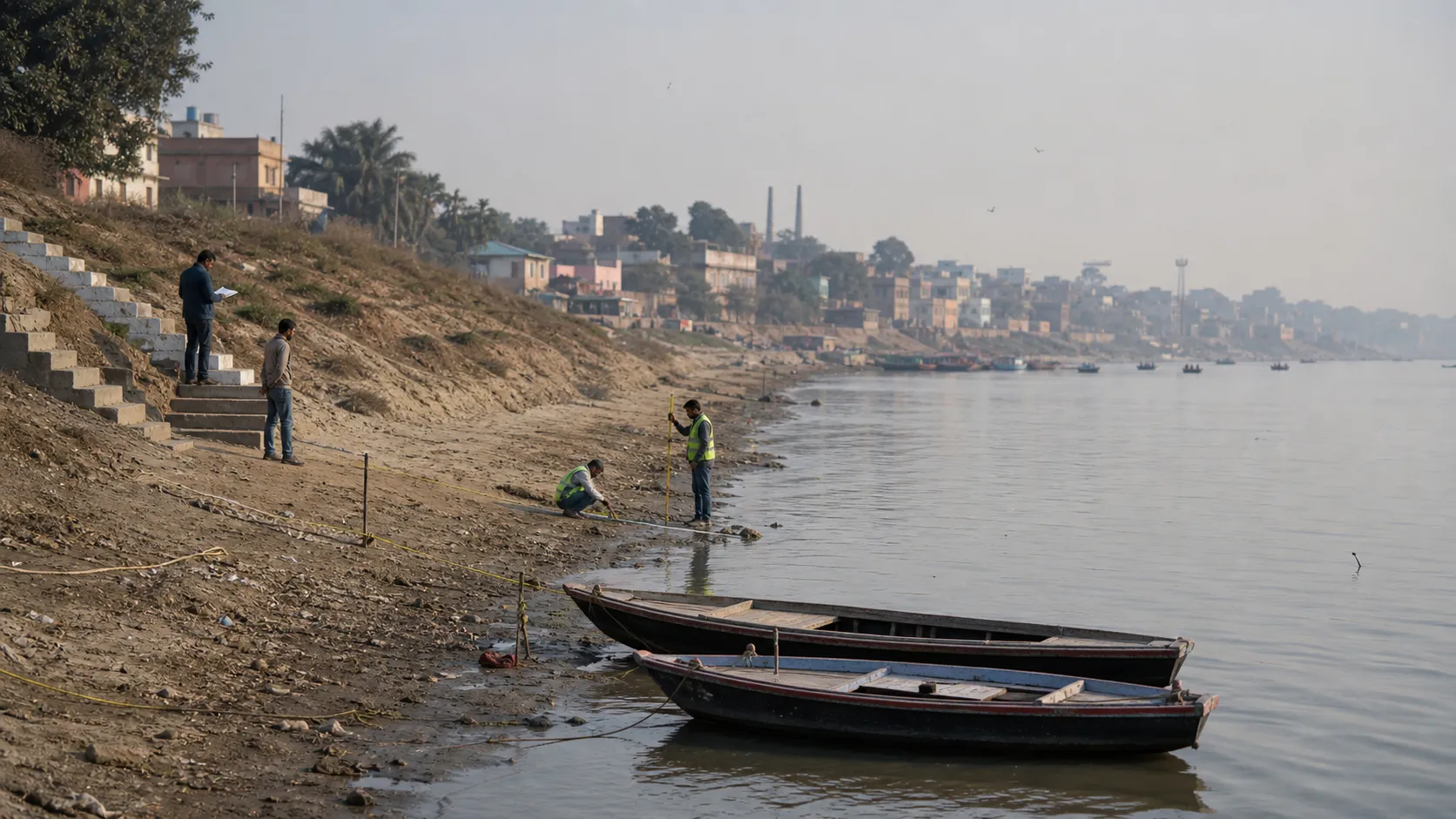
VARANASI: Eight stretches of Varanasi’s riverfront described as kuccha ghats are set to enter the city’s formal redevelopment map, part of a tourism package scheduled for inauguration on Sunday. The same programme includes work at Kalika Dham, the pond and ghat at Rangildas Kutiya in Shivpur, and the restoration and water purification of Durgakund.
The use of the term kuccha ghat is important. These are not the monumental stone fronts that dominate postcards of Kashi. They are softer, less engineered edges where soil, seasonal water and local use meet. Improving access and safety can help residents and pilgrims, but turning every riverbank into a hard, identical promenade would erase the very difference the project is supposed to serve.
The official project note does not name all eight sites or provide their individual designs. That leaves several practical questions open. Residents will want to see how steps are stabilised, where railings and lights are placed, how boats approach the bank and whether drains are intercepted before they reach the river. During the monsoon, any riverfront design must also accept that the Ganga will reclaim space.
At Rangildas Kutiya, the work combines a pond and a ghat, demanding attention to both water quality and public movement. Durgakund carries a different profile: it sits within a busy urban and religious landscape, where purification must be matched by control of inflow, litter and future maintenance. A one-time cleaning makes a strong inauguration image; preventing the next cycle of contamination is the harder civic task.
Kalika Dham adds another layer to the package. Temple-linked development brings pilgrims, vendors, local traffic and neighbourhood routines into the same small area. The best result would improve sanitation and accessibility without pushing ordinary users out through over-designed commercialisation.
Varanasi has spent years debating how to balance public facilities with the texture of a living riverfront. Toilets, drinking water, safer steps and emergency access are real needs. So are space for ritual, fishing, washing, resting and the informal economy that has always operated beside the river. Design decisions should begin with how each ghat is actually used, not with a copy-paste template.
The city also needs clear responsibility after completion. Stonework, lights, pumps and filtration systems fail quickly when maintenance is split between agencies. Location boards displaying the executing body, complaint number and handover date would give residents a simple way to track accountability.
Sunday’s inauguration will bring the projects into public view. Their success will be visible much later—in the first flood season, in the cleanliness of the water, and in whether a local family still recognises the riverbank it has used for generations.
Sources and reporting
Based on the Prime Minister’s Office project note for the 2 August 2026 Varanasi development programme, reviewed on 1 August 2026.
Related Stories

Ramnagar Constable’s WhatsApp Resignation Withdrawn After ACP Counselling

Municipal Commissioner Inspects Jangambadi Ward 89 Sewer Overflow and Damaged Lanes

Civic Body Invites Tenders for ₹13 Crore Drainage Works in Newly Extended Areas

Mirzamurad Police Arrest Mother After Probe Finds Role in Stepdaughter Assault Case

Sigra Police Arrest Man Over Alleged ₹6 Lakh Fake BHU Assistant Professor Letter
