
VARANASI: Sarnath, Rishi Mandvi and Ramnagar are set to receive new City Facility Centres under a development package being launched in Varanasi on Sunday. The three locations sit in different parts of the city’s cultural geography, but share a basic problem: visitor numbers have grown faster than the availability of clean, legible and accessible public services.
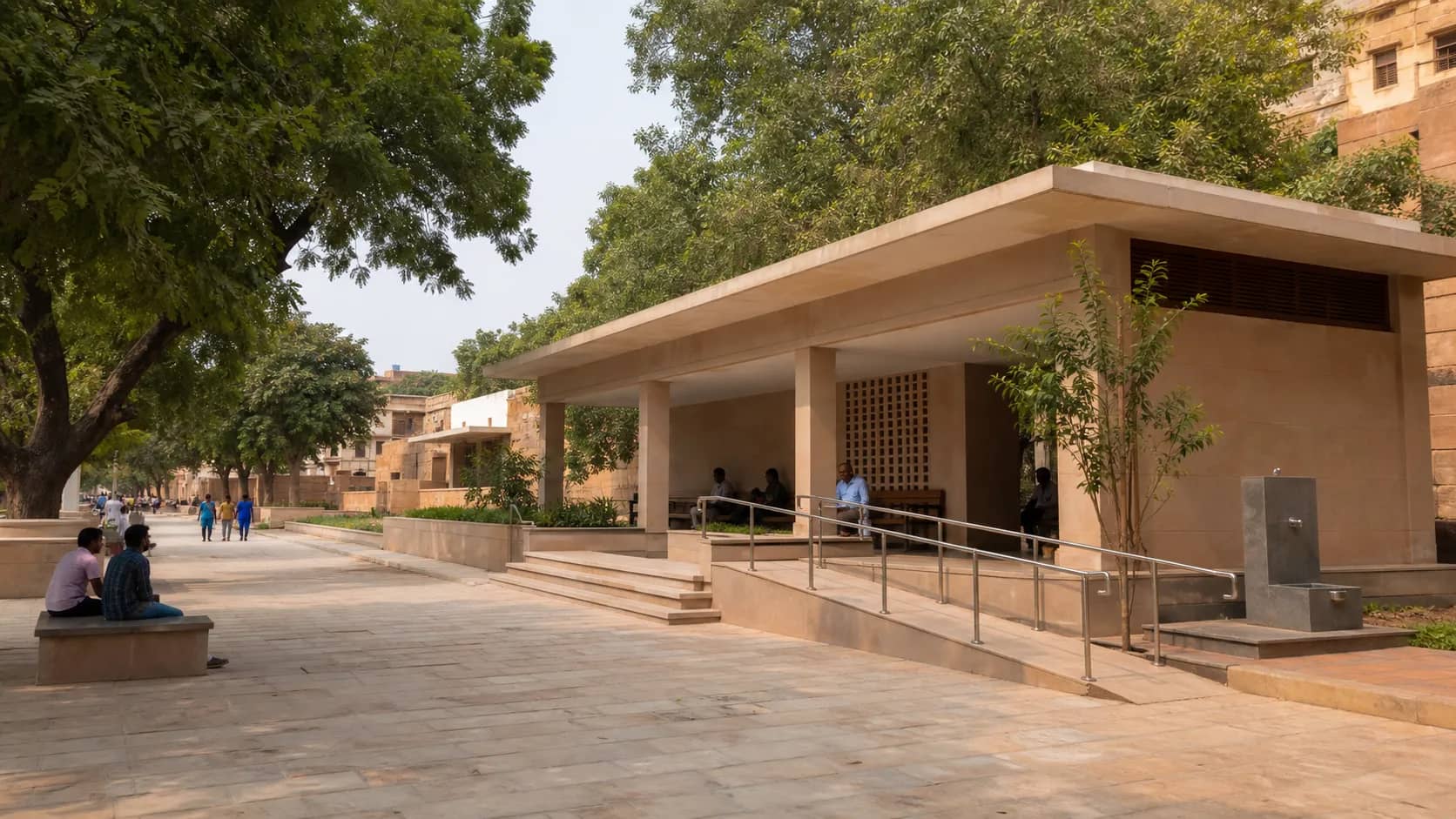
The official announcement identifies the zones but does not yet publish a room-by-room plan. In practical terms, a useful facility centre could include toilets, drinking water, first aid, shaded waiting space, information counters and assistance for elderly visitors and people with disabilities. The value will depend less on the building’s facade than on whether those services remain open, staffed and clean.
Sarnath receives international Buddhist pilgrims, school groups and independent travellers. Language support and reliable information matter there because many visitors are navigating the site for the first time. Ramnagar, across the Ganga, has a different pattern built around the fort, local markets, residential movement and seasonal events. Rishi Mandvi’s facility will need to respond to its own neighbourhood and pilgrimage use rather than imitate the other two.
That distinction is easy to lose in standard public construction. Varanasi has several attractive new structures whose usefulness is reduced by locked toilets, missing signs or unclear maintenance. A facility centre should be designed backwards from the visitor’s questions: Where can I sit? Is the drinking water safe? Can a wheelchair enter? Who helps if a child is separated from a group? Where does a driver wait without blocking the road?
Local residents also have a stake. Tourism infrastructure often occupies scarce public space and can add traffic around an already busy landmark. Site plans should preserve pedestrian routes, keep emergency access clear and avoid turning neighbourhood streets into informal parking lots. Small vendors need predictable zones rather than sudden displacement followed by unregulated return.
Operations will be the real test. Cleaning contracts, water supply, electricity, security and waste collection need one accountable chain. Publishing opening hours and a complaint number at the entrance would make the centres easier to trust. Staff should also be trained to provide accurate local guidance rather than simply point visitors toward private services.
For a heritage city, good hospitality is not luxury. It is the quiet infrastructure that allows people to spend time at a site without confusion or discomfort. The best facility centre is noticed briefly when needed and then recedes from the experience.
Sunday’s foundation-stone programme gives the three centres an official start. Residents and visitors will now look for detailed designs, construction timelines and a maintenance model. If those pieces are handled well, Sarnath, Rishi Mandvi and Ramnagar could gain public buildings that solve ordinary problems instead of becoming ceremonial additions to a crowded map.
Three City Facility Centres Planned Across Varanasi’s Heritage Zones
By Harsh Mehra2 min read
About the author
Harsh Mehra
Harsh Mehra reports for Dalimss News. 1225 stories on Dalimss News, most often in India.
Sources and reporting
Based on the Prime Minister’s Office project note for the 2 August 2026 Varanasi development programme, reviewed on 1 August 2026.
Related Stories

India
Gurugram rain brings AQI down to 69; IMD forecasts dry weekend
India
Gurugram crossing review covers 17 junctions and 32 proposed sites
India
Varanasi Women Come Together for Karwa Chauth Celebration
India
Varanasi cancer hospitals set November 3 medical officer walk-in

India
Gurugram food company Troovy raises Rs 100 crore for expansion

India