Gurugram Teachers to Join Arts-Based Classroom Training
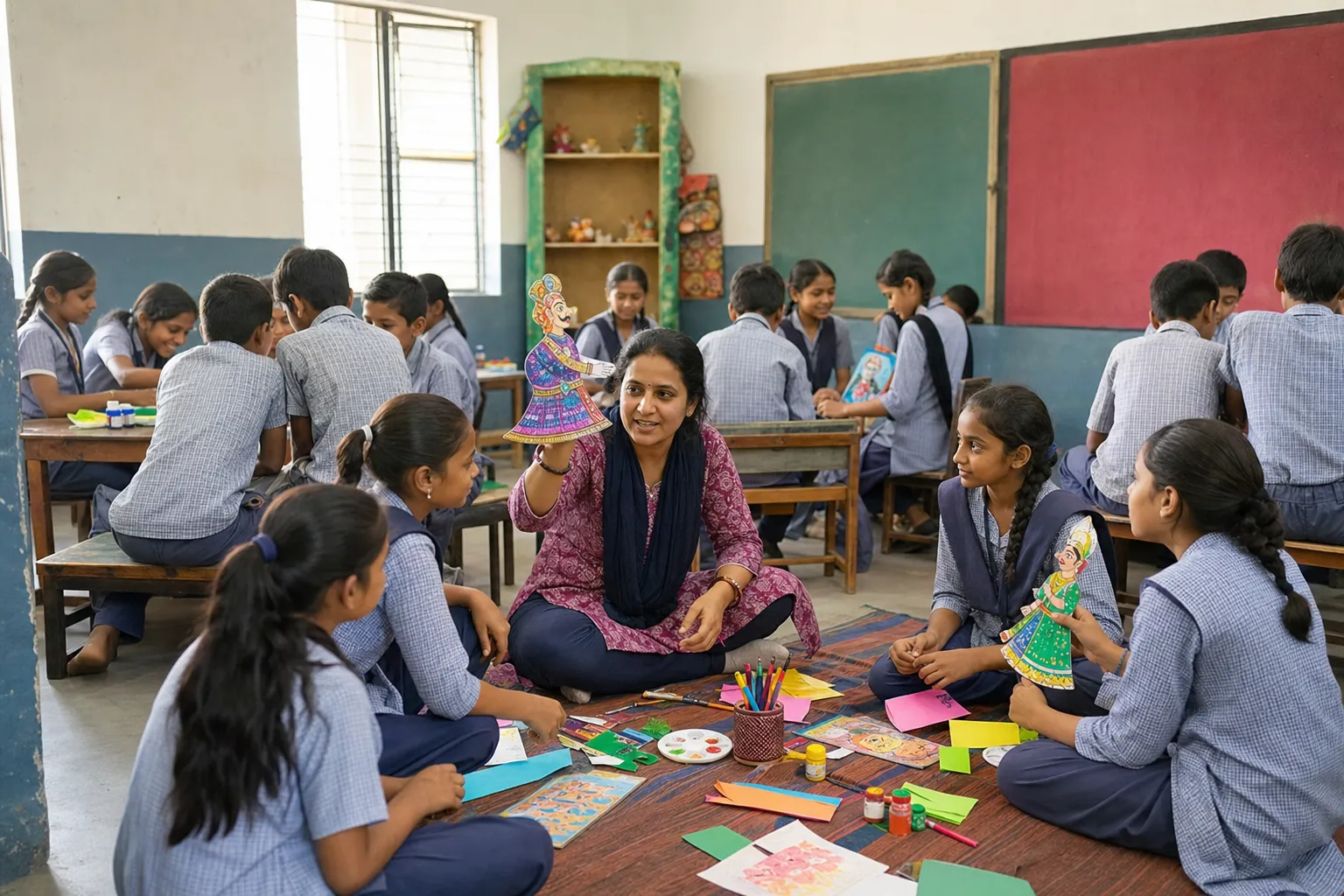
GURUGRAM: Government-school teachers from Gurugram are set to be nominated for a national training programme aimed at bringing art, culture and creative activity into everyday classroom teaching rather than keeping them outside the academic timetable.
The State Council of Educational Research and Training in Gurugram has asked district education officers across Haryana to send names for programmes run by the Centre for Cultural Resources and Training. Sessions are scheduled at different training centres through August, with nominations being compiled from eligible schools and districts.
The idea is practical: a history lesson can use local architecture, a language class can work with oral storytelling, and mathematics can draw on pattern, rhythm or craft. Arts integration is not meant to replace subject knowledge. It gives teachers another route for explaining it, especially to children who do not respond well to a lecture-and-notebook format.
Nominees should be below 52 years of age under the directions issued for the exercise. Teachers who have already completed the same training are not to be sent again, and separate participants are expected to be nominated for different programmes. The approach is intended to spread the opportunity rather than circulate a small group through every workshop.
School heads have been asked to identify teachers with a genuine interest in art, culture or innovative pedagogy. That filter matters. A nomination made only to fill a quota can produce a certificate without changing a classroom. A motivated teacher is more likely to adapt the material, test it with students and help colleagues use it after returning.
The post-training obligation is therefore central. Participants are expected to share methods in their schools and demonstrate activities with children. District officials should record that follow-through: what was tried, which age group it served, whether materials were affordable and how the activity supported a defined learning outcome.
Gurugram offers rich local material for such work, from Aravali ecology and village oral histories to crafts, seasonal songs and the city's rapid architectural change. Schools should use those resources respectfully, credit community knowledge and avoid reducing a tradition to a costume-day performance. Arts-based learning is strongest when students investigate context and make something of their own.
There are practical limits. Teachers need time, basic materials and freedom to rearrange a period; crowded classes cannot be transformed by a workshop alone. Assessment must also value observation, explanation and collaboration instead of judging only a polished final product.
The nomination process is the first step, not the outcome. Its success will be visible months later if trained teachers are using local art and culture to make difficult concepts clearer, while keeping the classroom rigorous, inclusive and recognisably connected to the lives of Gurugram's children.
Sources and reporting
Based on SCERT Gurugram's nomination directions for upcoming arts-and-culture teacher training, checked on 1 August 2026.
Related Stories
AISA’s Azamgarh meeting calls for teachers, laboratories and libraries
ABVP’s DUSU manifesto puts student housing and academic services on the campaign agenda

AP TET 2026 results released; check the correct examination cycle
Supreme Court Sets January 1 Deadline to Vacate Unsafe Chintels Flats

Human Rights Panel Orders Citywide Audit of Gurugram Drains