NEW DELHI: Karnataka's Clean Mobility Policy 2025 to 2030 sets out a plan for fast charging or battery-swapping infrastructure at 50 km intervals on busy intercity highways, including the Bengaluru-Mysuru and Bengaluru-Pune corridors. Separately, the Centre announced approval of Rs 123.26 crore for 1,243 chargers in Karnataka in May 2026. These are planning and approval milestones, rather than confirmation that every proposed stop is operating.
| Infrastructure measure | Official provision |
|---|---|
| Highway ambition | Fast charging or battery swapping at 50 km intervals on identified busy corridors |
| State nodal agency | BESCOM |
| Fast-charging capital support | 25%, capped at Rs 10 lakh per station; 500 stations |
| Car battery-swapping capital support | 25%, capped at Rs 5 lakh per station; 200 stations |
| Slow-charging incentive under this policy section | No incentive |
| May 2026 central approval | 1,243 chargers; Rs 123.26 crore |
What the highway plan can change
A family using an electric car for an intercity journey needs more than a large statewide total. The placement of stops matters: a charger close to the planned route can be useful, while one requiring a substantial diversion may not solve the same problem. The policy's corridor approach recognises that geographical question.
The spacing commitment is a development plan, not a substitute for checking a journey. A driver should identify the actual location, access route and working equipment before relying on it. An interval stated in a policy does not establish that the equipment at the next proposed site has been installed.
Fast charging and swapping also serve different vehicles and ownership arrangements. A car must be compatible with the service at the stop. The inclusion of swapping in a policy should not be read as a promise that a privately owned fixed-battery car can exchange its battery at every supported location.
The support is for infrastructure providers
The capital-support table concerns station investment. It is not an amount a private car owner can deduct from a vehicle invoice. Its percentage, ceiling and station allocation need to be read together when considering what kinds of facilities the state wants to encourage.
The separate treatment of slow charging is equally useful. The absence of a capital incentive in that policy section does not establish that slow charging is unsuitable for a household. A buyer should consider the parking arrangement and available charging time, rather than treating a funding preference as a universal technical recommendation.
Karnataka's policy identifies BESCOM as the nodal agency, envisages a common charging app and describes coordination with apartment associations. For an apartment resident, the practical question is how a usable charging arrangement will fit the building's parking and electricity setup. A state infrastructure ambition cannot answer those site-specific questions on its own.
Read the approval and installation figures separately
The May announcement concerns approval of proposals for the additional chargers. The same official release separately records 721 chargers already installed in Karnataka by oil marketing companies under FAME-II. Keeping those descriptions intact prevents approved equipment from being counted as already installed equipment.
For a household following progress, the useful next evidence is site-level commissioning information. Ask whether a proposed location has an electricity connection, operational equipment and practical public entry. Avoid adding figures from different programmes and dates to create a new statewide total that no official source has published.
A car's charging claim needs the right stop
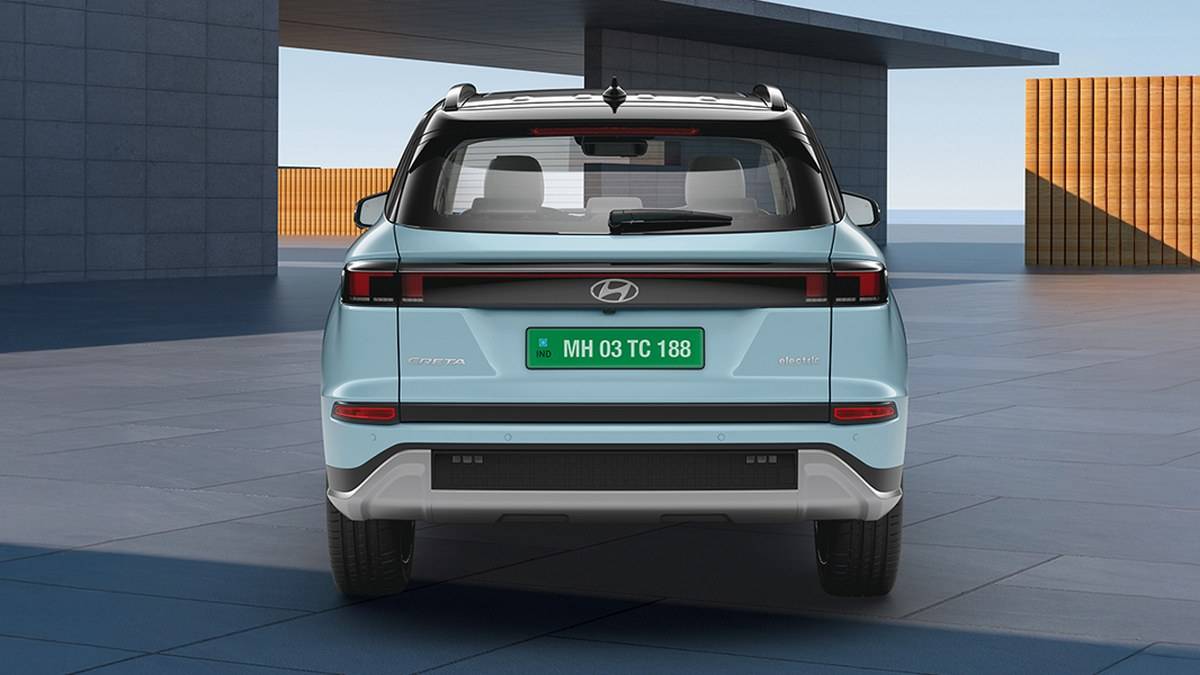
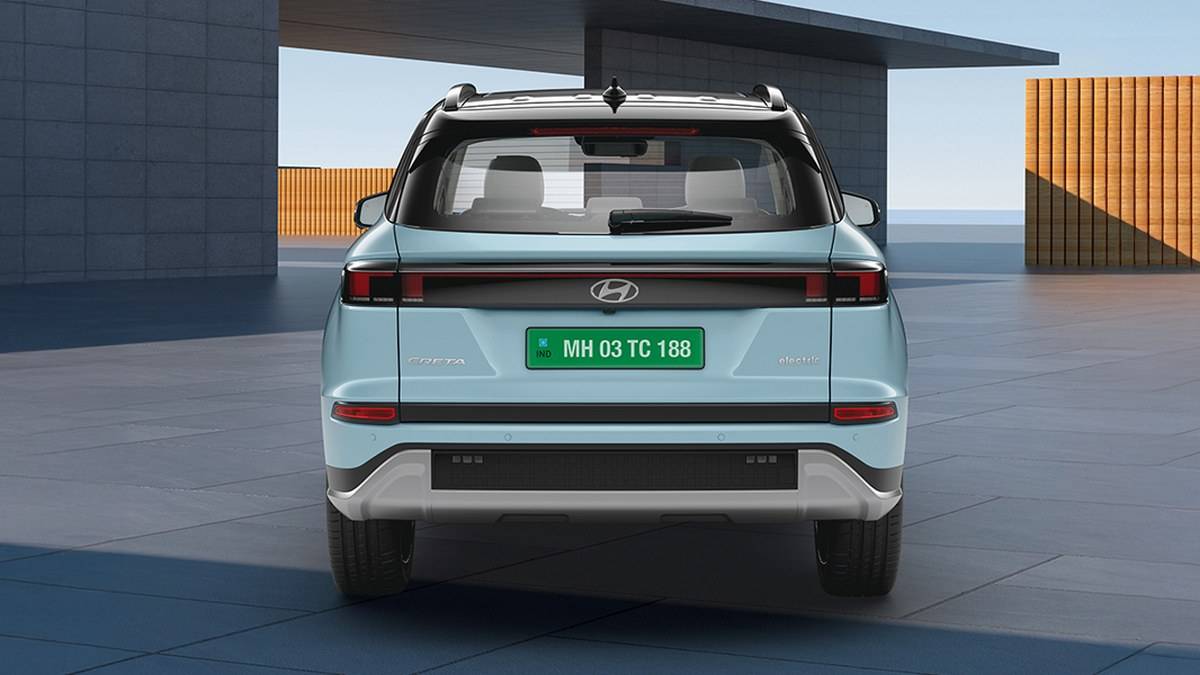
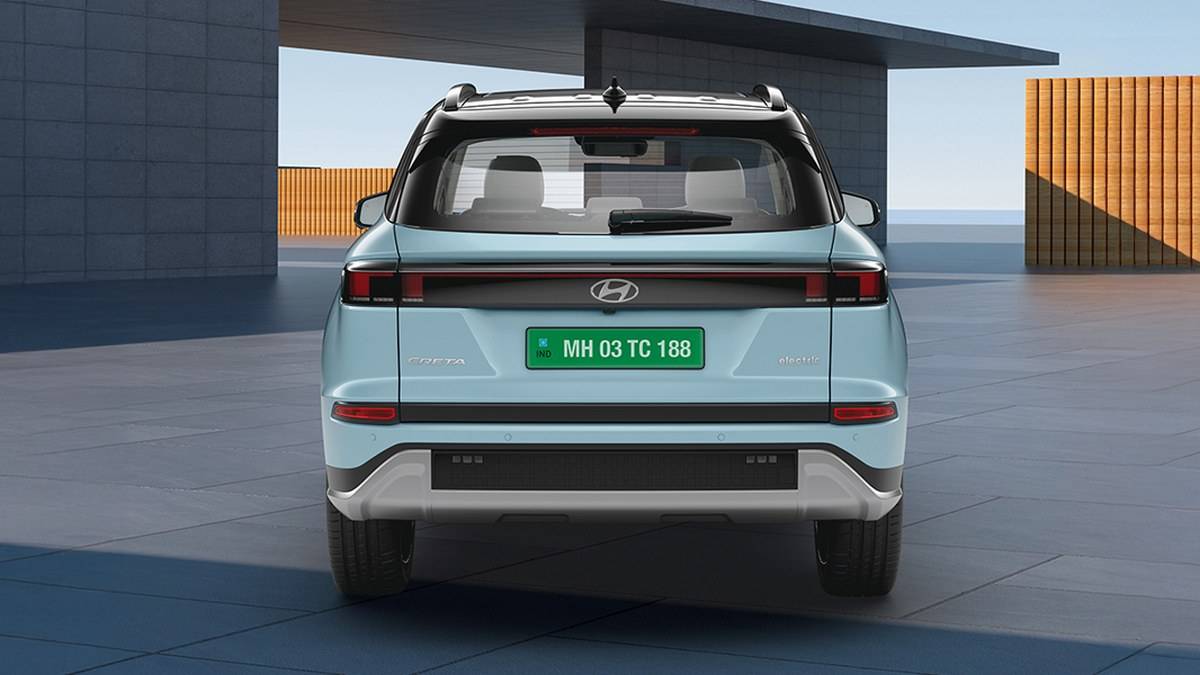
Hyundai's current Creta Electric page gives a DC charging claim of 39 minutes from 10% to 80%, applicable to its battery options. It qualifies charging time by charger specification, ambient temperature and uninterrupted power. That is a useful example of why a functioning compatible site matters as much as a corridor announcement.
The claim is not a prediction for every Karnataka charging stop. Before using a model's advertised session time in a travel plan, compare its stated conditions with the intended facility. Leave room in the plan for access and the possibility that the preferred charger is unavailable when the car arrives.
The existing Hyundai IONIQ 5 price: Rs 55,70,600 for the 84 kWh RWD version, Kia EV6 price: Rs 65,97,937 starting MSRP and Kia Syros EV price list: Rs 13,49,900 to Rs 19,99,900 address different ownership questions. Infrastructure funding, model charging performance and battery cover should each be assessed on their own terms.
For apartment owners, it is sensible to discuss the proposed arrangement before committing to a car. Establish where the vehicle will park, how the charging connection would be reached and who will manage access. The answers provide a practical starting point for implementation, while a policy statement supplies the broader direction.
Official sources: Karnataka Clean Mobility Policy, the 12 May 2026 charging announcement and Hyundai Creta Electric highlights, read on 15 November 2026.