NEW DELHI: An official PM E-DRIVE factsheet records approval of Rs 851 crore for 8,147 public EV chargers across three oil marketing companies and ten states, as of 28 September 2026. The scheme earmarks Rs 2,000 crore for public charging. For private electric-car users, this is infrastructure support, with access depending on stations actually being commissioned and available for use.
| Official measure | Position in the opened sources |
|---|---|
| Public-charging allocation | Rs 2,000 crore |
| Approved deployment | Rs 851 crore for 8,147 chargers |
| Approval snapshot date | 28 September 2026 |
| Overall scheme outlay, after enhancement | Rs 11,900 crore |
| Scheme extension | 31 March 2028, subject to segment conditions |
Approved chargers are a deployment pipeline
The snapshot describes approvals. It does not say that every listed charger is already connected, commissioned and accessible to drivers. A route plan needs evidence about the particular charging stop, whereas the funding total shows the scale of the programme's intended deployment.
This distinction prevents an easy misreading of national infrastructure figures. A charger is equipment; a charging location may contain several units. The approval count should therefore retain its published description as chargers, rather than being presented as an equal number of new sites across India.
The October factsheet supplies the dated approval total. Separately, the scheme homepage records the enhanced overall outlay and its extension. Older announcements carrying the original budget should be read in their historical context. A later increase in the scheme's total does not mean the entire additional amount belongs to passenger-car charging.
Why private car owners should care
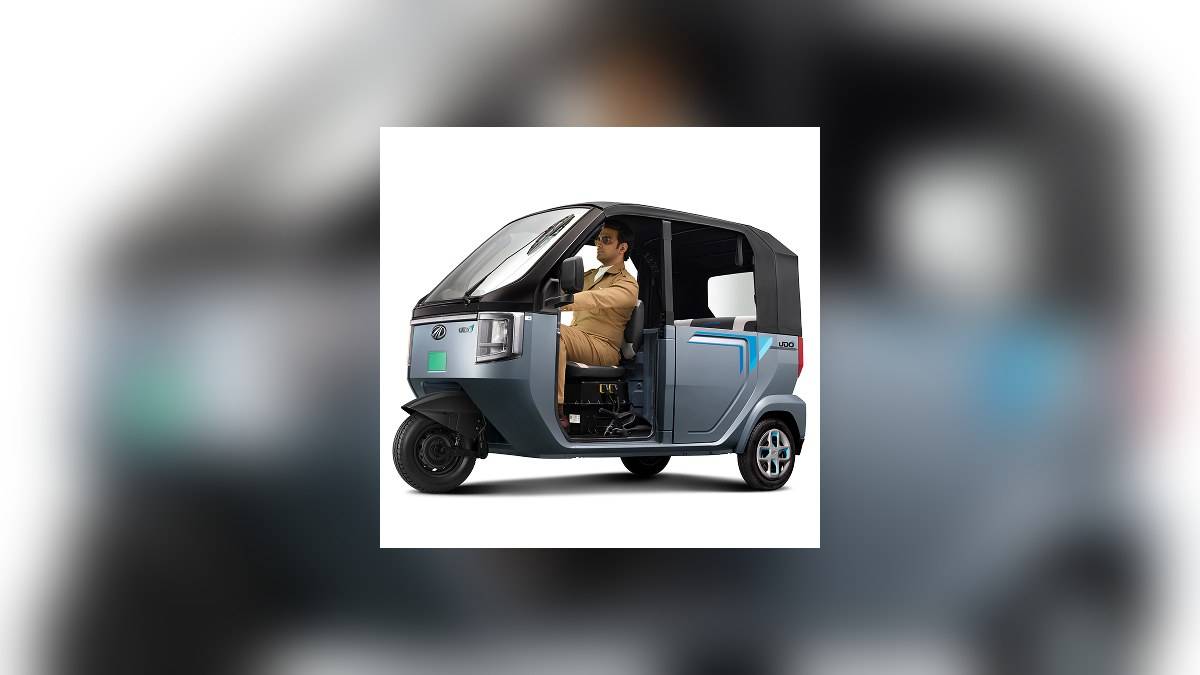
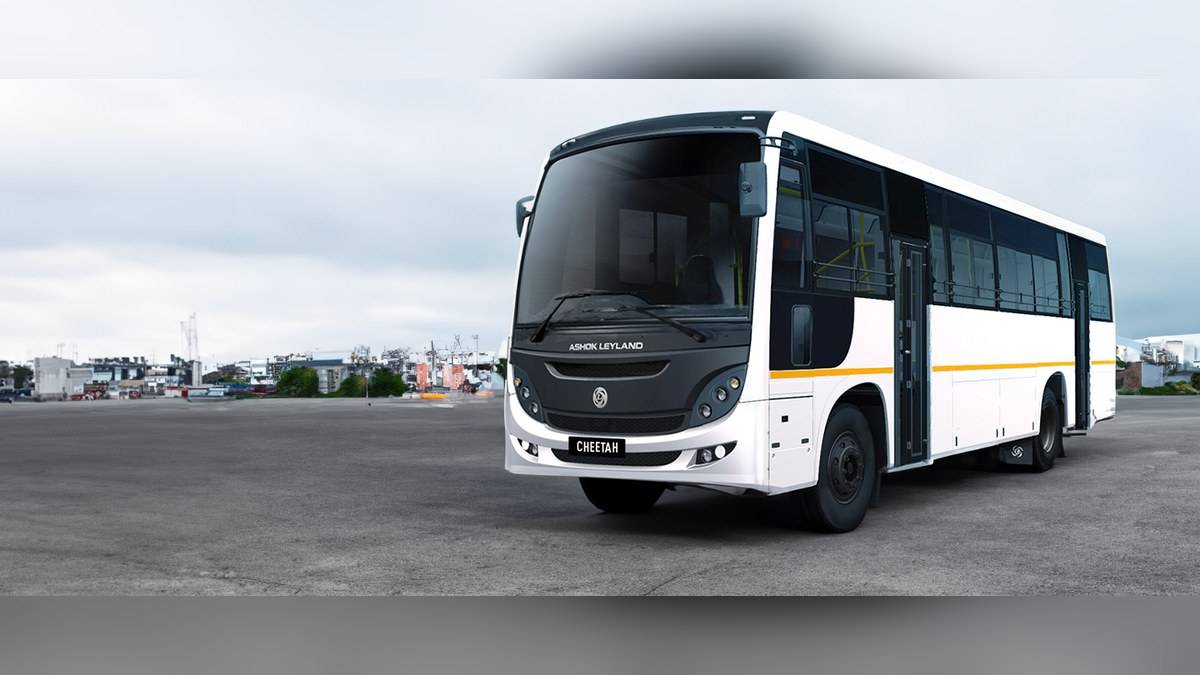
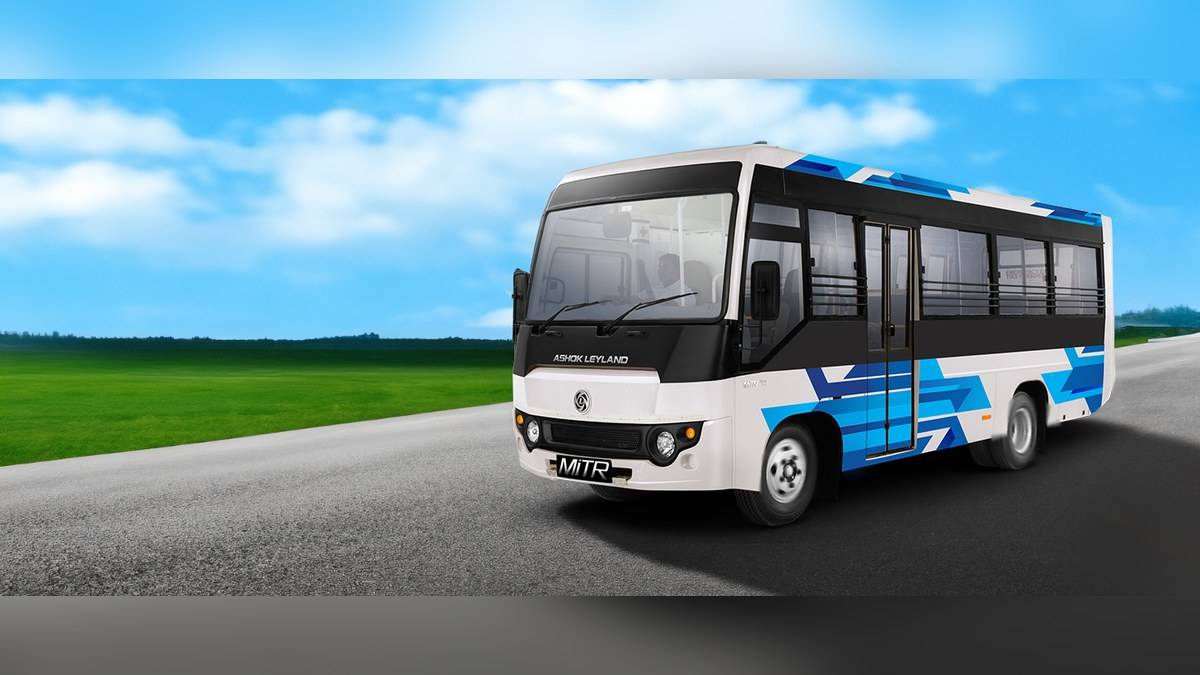
The scheme's published eligible categories include two-wheelers, three-wheelers, buses, trucks and ambulances, alongside charging infrastructure and testing facilities. It does not list private passenger cars as a vehicle purchase-incentive category. A private-car buyer should accordingly distinguish the potential benefit of a wider charging network from a deduction on the car invoice.
State tax concessions and a manufacturer's commercial offer need their own documentation. They cannot be inferred from the national charging allocation. When comparing quotations, ask which authority funds each claimed benefit and whether it changes the vehicle payment, a statutory charge or a later ownership expense.
Public access has a specific meaning
The operational guidelines distinguish station categories. Government-premises locations with unrestricted public access can receive support covering both upstream infrastructure and charging equipment. Other categories have different funding treatment. The important consumer point is access: a publicly supported unit inside an establishment still needs a usable entry arrangement.
Free public access in this context should not be confused with free electricity. The document's access condition concerns whether private individuals can reach the chargers. It does not establish a universal zero charging tariff. Drivers should check the price and any parking or access conditions for the actual station they intend to use.
The guidelines also separate upstream works, such as electricity-supply infrastructure, from charging equipment. That helps explain why a sanctioned project is not immediately a working stop. Planning, procurement and the power connection must come together before the infrastructure can provide a dependable service.
Match the network to the car
For a household, the useful test is a familiar journey: identify a suitable stop, check compatibility and retain a fallback that does not depend on the same site. A national approval figure cannot answer whether a charger is on the convenient side of a highway or reachable during the planned travel hours.
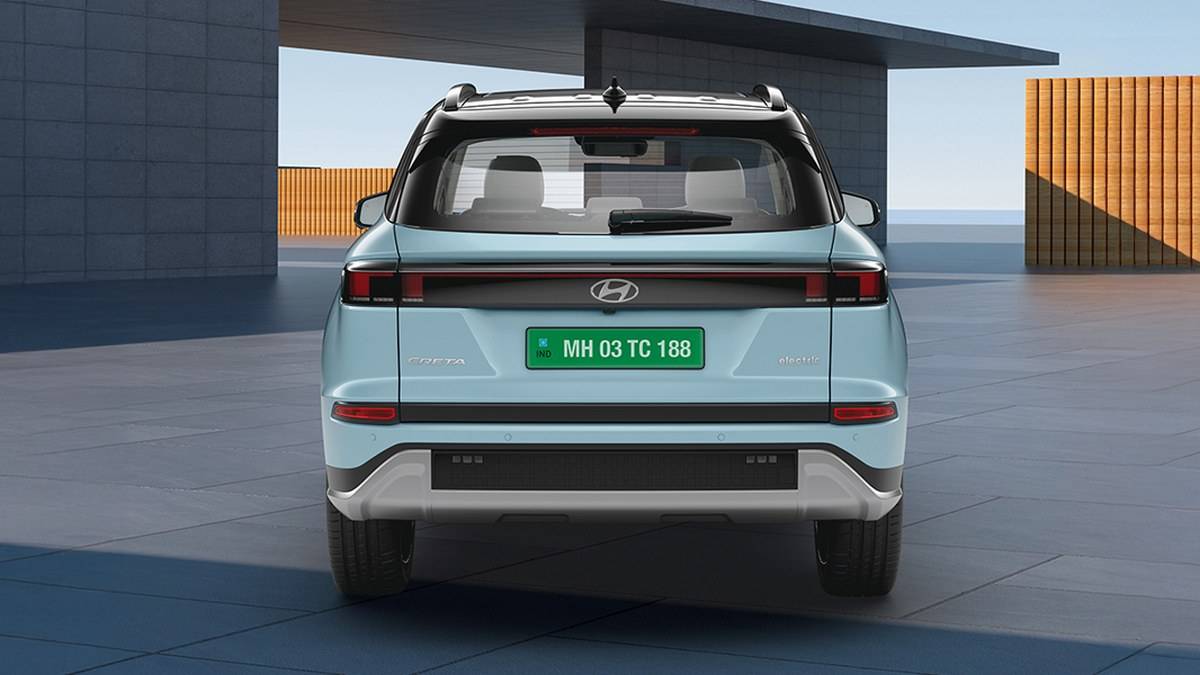
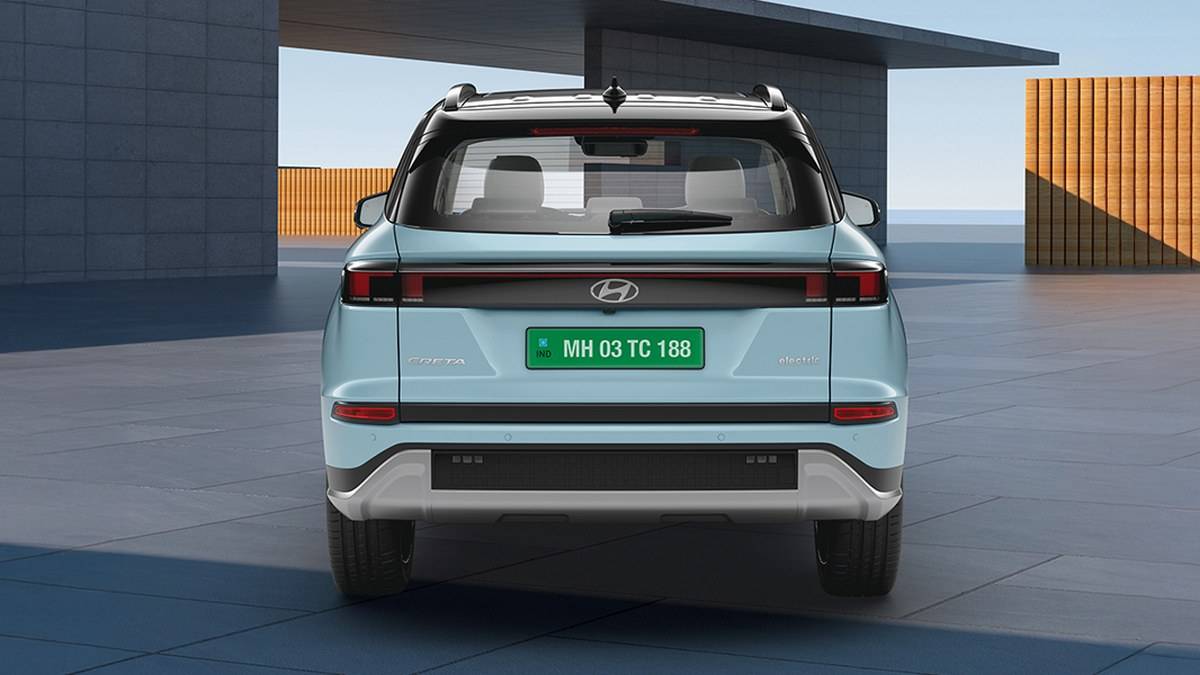
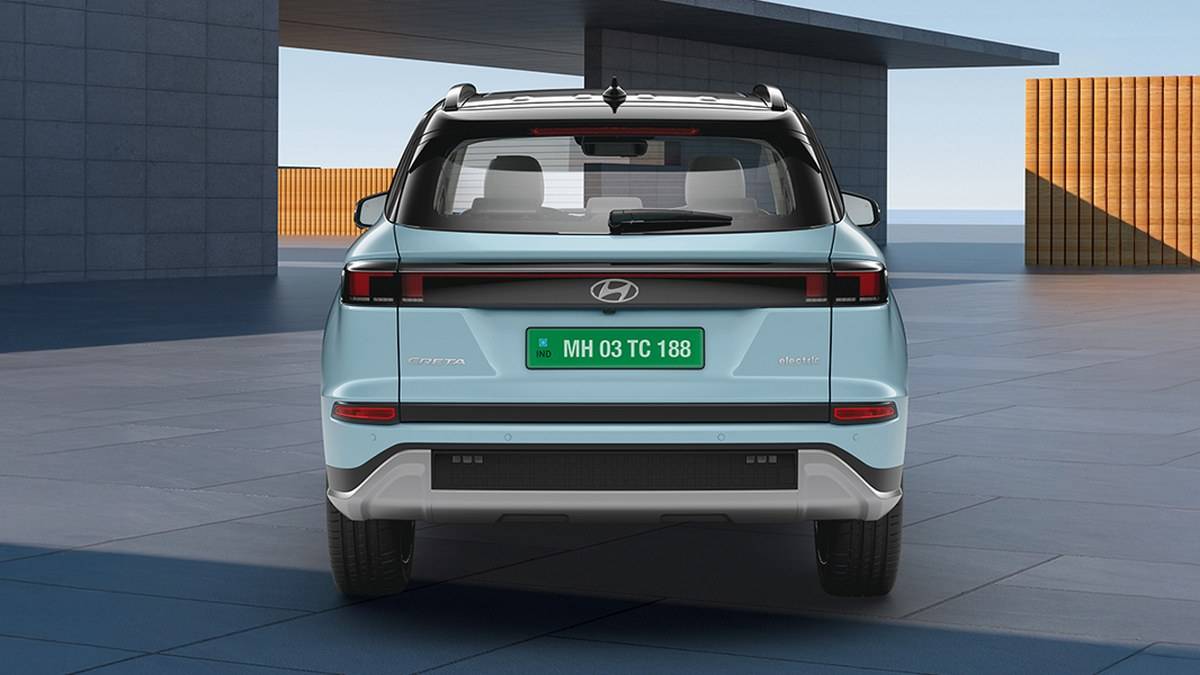
Our existing Creta Electric charging guide, XEV 9e charging explainer and MG ZS EV charging report address model-specific questions. Those should be considered separately from the public programme's funding and delivery milestones.
For readers following implementation, the next useful evidence is a named site with a commissioned charger and clear access information. An approval notice establishes that a project has entered the supported pipeline. It should not be treated as the final proof that a particular family's charging needs have already been met.
The guidelines name BHEL as the project implementation agency and assign it development of a national unified hub and mobile app. Those planned functions include finding chargers, real-time status, booking and digital payments. Treat that as an assigned delivery responsibility, rather than evidence that every network has already become accessible through a common interface.
While checking a proposed stop, keep its location and the operator's details available before setting off. If the journey depends on a booking or an app, establish how that arrangement works beforehand. The practical value of public investment ultimately depends on the driver being able to use the equipment.
Official sources: the PIB factsheet dated 1 October 2026, PM E-DRIVE scheme homepage and public-charging operational guidelines, read on 15 November 2026.