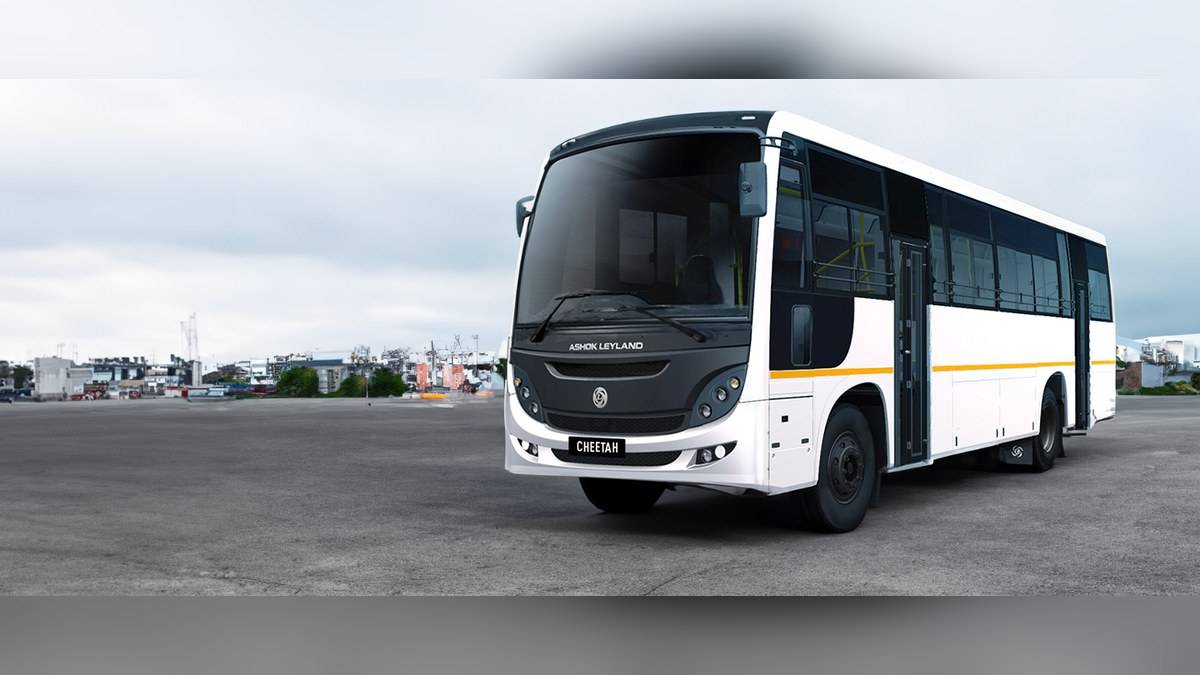
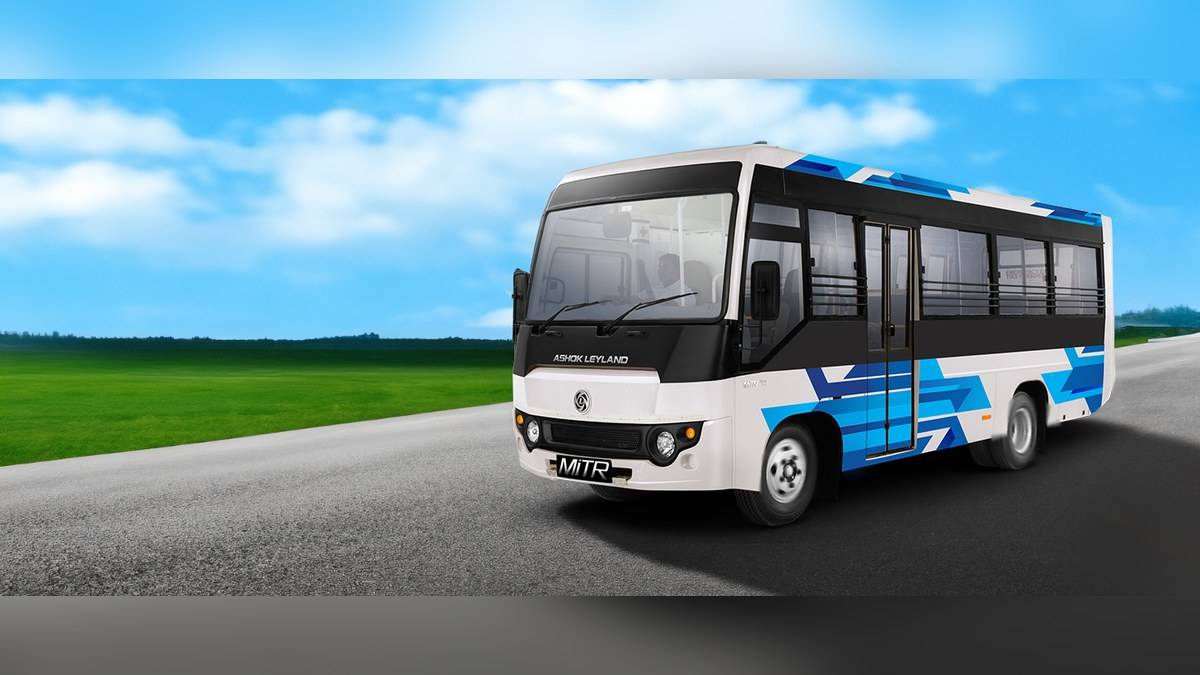
NEW DELHI: Ashok Leyland lists the MiTR School Bus at Rs 22,32,000 onwards and the MiTR Staff Bus at Rs 25,19,000 onwards on its official light-vehicle website. These are starting figures for different applications, not a complete quotation for every body and equipment combination. The MiTR family offers diesel power and school or employee transport layouts, with the final specification requiring more attention than the headline price.
| Official listing | Published detail |
|---|---|
| MiTR School Bus | Rs 22,32,000 onwards; headline seating 22+A+D |
| MiTR Staff Bus | Rs 25,19,000 onwards; headline seating 23+D |
| Staff Bus engine | ZD30 DDTi CRDi BS VI diesel |
| Staff Bus output | 140 hp; 360 Nm |
| Staff Bus body choices | CBC and fully built |
Price as of 15 November 2026, 23:43 IST. Ashok Leyland marks these figures as onwards prices. The category listing does not assign a separate amount to each air-conditioned, non-air-conditioned or body configuration. Treating its highest displayed starting figure as the most expensive MiTR would therefore be misleading.
Choose the application before the equipment
The school model's headline layout uses 22+A+D, while the staff model shows 23+D. Ask for a written seating plan identifying passenger positions, the driver and any attendant accommodation. A school's requirement for supervision and boarding differs from an employer's requirement to move adults between pickup points and a workplace.
The school-bus page specifically highlights a large rear opening and a side emergency door. Those are relevant items to inspect during a physical demonstration. They should be checked with the actual supplied body and seating layout, including whether parked vehicles or luggage would obstruct access during routine use.
The staff-bus page identifies daily commuting as an intended application and states rollover compliance. That is a manufacturer statement, not an independent crash-test rating. An institutional purchaser should obtain the applicable documents for the precise bus being supplied and keep them with its operating records.
What the Staff Bus specification establishes
The separate staff specification gives maximum power at 2,750 rpm and torque across 1,350 to 2,750 rpm. Its 3,700 mm wheelbase and 7.2 m minimum turning radius are useful starting points for a route assessment. The radius describes a different measurement from turning diameter, so the terms should not be interchanged when checking a depot entrance.
Ashok Leyland lists the Staff Bus at 7,060 mm long, 2,200 mm wide and 2,850 mm high, with a 6,650 kg gross vehicle weight. Gross vehicle weight is the permitted total vehicle weight, not the weight of passengers it can carry. Check the completed vehicle's paperwork when reconciling seats, luggage and any additional equipment.
Power steering and parabolic suspension at both ends appear in the staff specification. These details make the driving demonstration more useful: include the pickup-point turns, speed breakers and approach to the parking bay that the bus will actually encounter. A demonstration confined to an open road leaves the difficult parts of an employee route untested.
For the staff route, include the workplace gate at shift change in that assessment. A bus must fit the boarding area while other vehicles and waiting passengers are present.
Body choices and the quotation
The official specification lists CBC and fully built versions. Establish what bodywork and equipment the quotation includes before comparing it with another supplier's figure. A chassis-based proposal and a completed bus can represent very different procurement commitments even when both documents use the MiTR name.
The staff specification also distinguishes AC and non-AC configurations. The readable category price does not provide an equipment-by-equipment price ladder. Request the selected seating layout, climate-control specification, emergency equipment and delivery condition on the same quotation, so that a later comparison uses matching vehicles.
Who it is for, and alternatives to examine
MiTR is worth examining for an institution specifying a dedicated school or staff service around a defined passenger group. Its application split is more useful than choosing a bus by exterior appearance. The buyer should start with the passenger manifest, pickup sequence and available parking, then select the body that meets those needs.
For a broader shortlist, Ashok Leyland also lists Sunshine and Oyster buses in its official range. They are alternatives to investigate rather than automatic substitutes. Our existing Car price guide, Ashok Leyland Sunshine seating: 32+D to 49+D school layouts and Matching Lynx Strong equipment to its 12 V and 24 V systems provide related reading for fleet planners.
The practical MiTR decision is whether the supplied body fits the institution's daily boarding and supervision needs. Compare the complete quotation and seating plan, then walk the route's tightest entrance with the supplier. A starting price becomes useful only when the vehicle behind it is clearly specified.
Official sources: price listings, Staff Bus specifications and School Bus details.