IIT-BHU Sexual Assault Trial Reaches Final Prosecution-Witness Stage
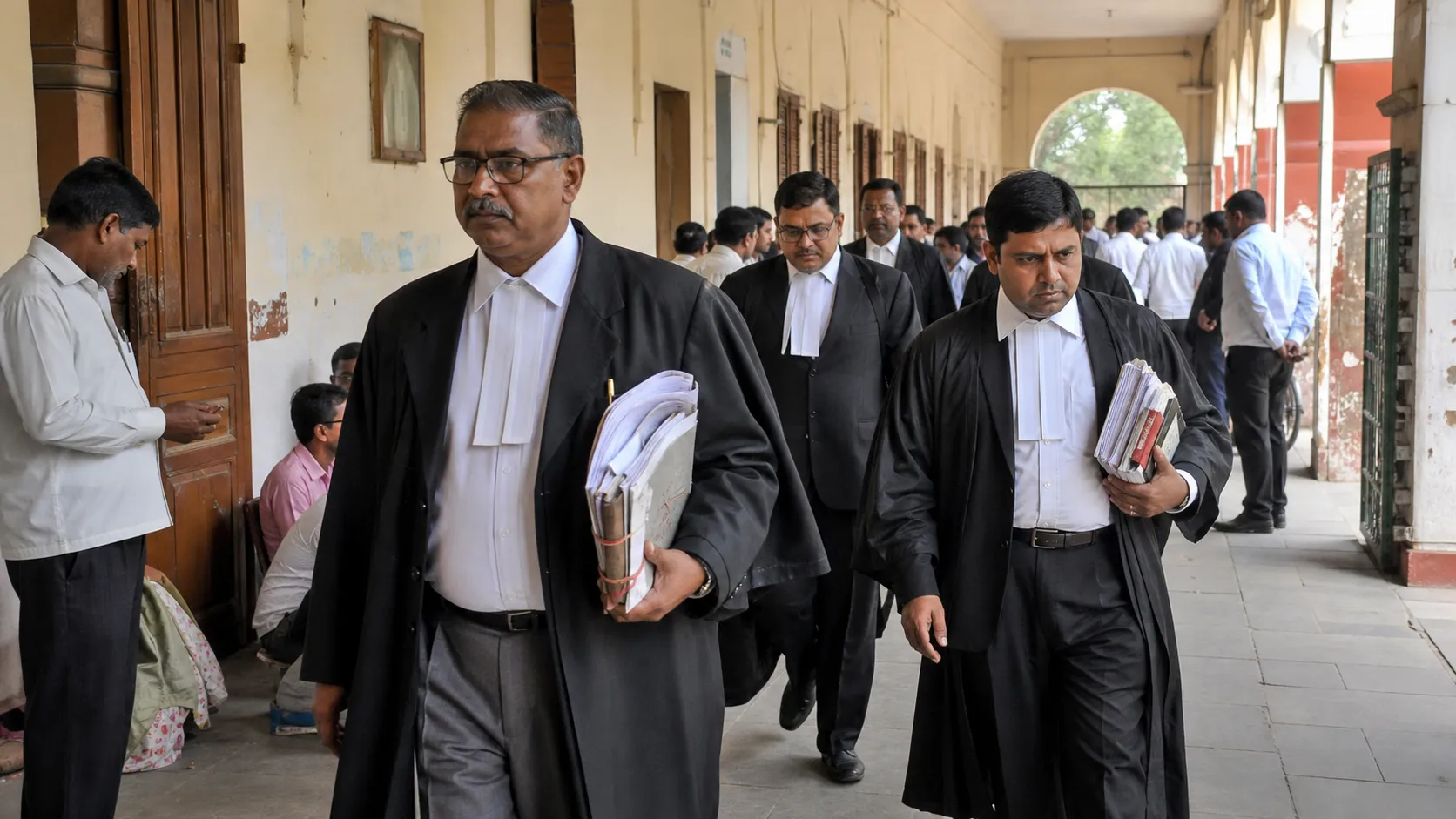
The prosecution in the 2023 IIT-BHU sexual assault case has entered its final witness phase before Fast Track Court-I in Varanasi, where a telecom company’s nodal officer was summoned to testify on Thursday. The hearing is being conducted by Judge Kuldeep Singh, with the criminal trial still pending against Kunal Pandey, Anand Chauhan, also known as Abhishek, and Saksham Patel.
At the previous hearing, the defence completed its cross-examination of constable Anil Kumar Prajapati, who was associated with supplying CCTV footage from the city command centre. The court then fixed August 6 and called Bharti Airtel nodal officer Kaushlendra Tripathi. Telecom evidence can include subscriber or network records, but its actual purpose and weight must be determined from what is produced and tested in court.
The phrase “final prosecution witness” does not mean the case has reached a verdict. Once the prosecution closes evidence, the court must still follow the remaining stages required by law, including giving the accused an opportunity to address the evidence and present a defence where applicable. Arguments and judicial assessment come later.
That distinction matters in a case that has carried intense public attention since 2023. Anger over the alleged crime and scrutiny of campus safety are understandable, but a news report should not replace the court’s work. The accused remain presumed innocent unless convicted, while the survivor is entitled to dignity, privacy and proceedings free from intimidation.
Digital material has become central in many criminal trials, yet it is not self-explanatory. A video clip must be authenticated, its source and handling documented, and its timing understood. Telecom records likewise require a competent witness who can explain how they were generated and preserved. Cross-examination allows the defence to test reliability rather than merely accept a printout.
The case has also shaped discussions at BHU about lighting, patrols, movement after dark and institutional response. Those reforms should not depend on the eventual verdict. A university can improve safety and survivor support without prejudging criminal responsibility. Clear emergency contacts, trained first responders and confidential reporting mechanisms are basic obligations.
Courts handling sexual offences face a difficult balance between speed and completeness. Delay can deepen trauma and weaken public trust, but rushed procedure can create grounds for an unsafe outcome. A fast-track designation should mean focused scheduling and fewer avoidable adjournments, not thinner scrutiny.
The most responsible approach now is to follow the record. Who testified, what evidence was formally exhibited and which issues remain contested are more useful than speculation outside the courtroom. The August 6 hearing is another procedural step in a closely watched trial, not its conclusion.
As the prosecution nears the end of its witness list, attention will increasingly shift to the court’s assessment. Until then, restraint protects every side: the survivor from exposure, the process from pressure and the final judgment from being confused with public assumption.
Sources and reporting
Based on the hearing schedule before Fast Track Court-I in Varanasi on 6 August 2026. The case is pending; this report avoids identifying the survivor.
Related Stories

Court Issues Arrest Warrant for HSVP Brass

MCG Finalises Sohna Site for Fresh Waste

GMDA Seeks Station-Wise Metro Parking Plans

Thar Rams Rapido Cab After Sector 89 Quarrel

FDA Raids 3 Outlets Over Paneer Quality