NEW DELHI: Ashok Leyland advertises ICV Tippers from Rs 23,00,000 and ecomet STAR from Rs 21,50,000 on its official ICV listing. The ecomet STAR starts lower, but these ranges serve different loading and unloading tasks. The published amounts are starting figures, without a complete configuration price list or city-specific on-road breakdown. Price as of 8 November 2026, 23:46 IST.
| Official comparison | ICV Tippers | ecomet STAR |
|---|---|---|
| Advertised starting price | Rs 23,00,000 | Rs 21,50,000 |
| Family GVW range | 11 to 16 tonnes | 11.4 to 18.49 tonnes |
| Published body measure | 5 to 8.5 cubic metres | 3.7 to 9.75 m loading span |
| Engine family | H series, four-cylinder | H series, four-cylinder |
| Cabin choices in summary | Two | Two |
The body measure explains the first difference
The ICV Tippers summary describes the body by volume, while ecomet STAR is described by loading span. Those figures cannot be placed in a larger-is-better ranking: they measure different things. A body volume says something about the space available for bulk material, whereas a loading span describes a linear dimension.
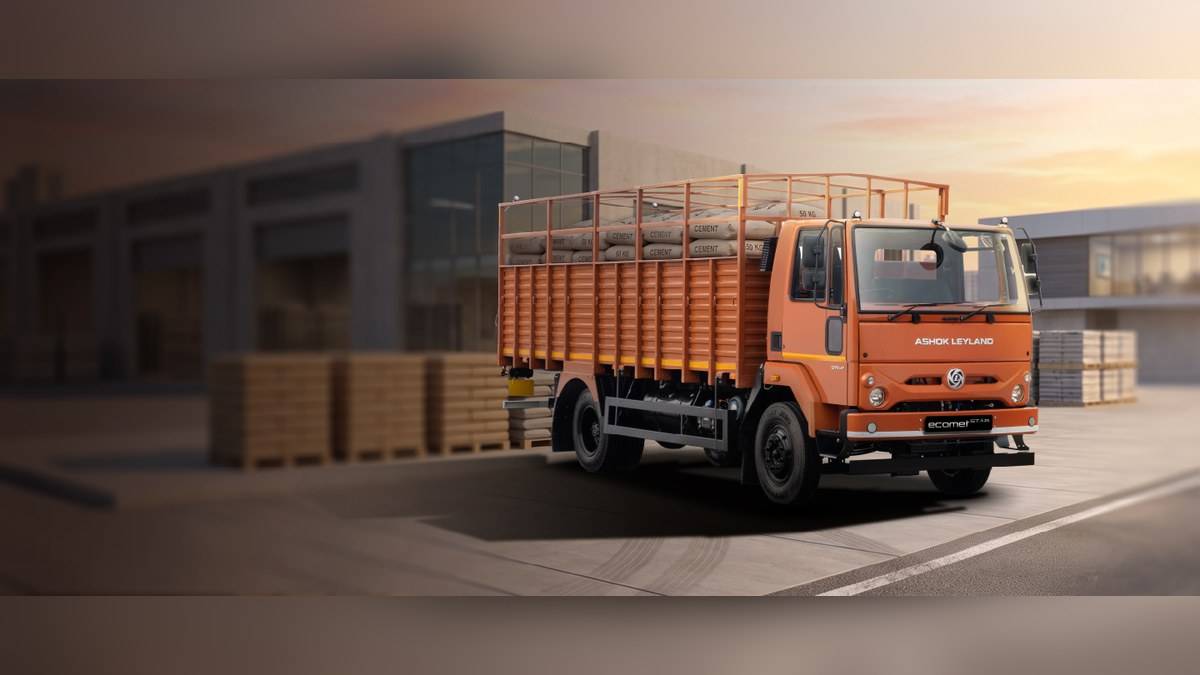
Ashok Leyland's application examples reinforce that distinction. Its ICV Tippers page highlights sand, blue metal and bricks. The ecomet STAR page includes cement bags, petroleum tankers, parcels and FMCG. These are the manufacturer's application examples, not a guarantee that every configuration is suitable for every material.
For a building-materials business, the contrast between loose sand and bagged cement is particularly useful. Both may be delivered to construction work, but their loading plans and unloading arrangements differ. Treating them as the same job simply because their destination is similar would obscure what the truck body needs to do.
Gross weight and body volume stay separate
The two official product summaries also publish different gross-vehicle-weight ranges. Neither range is a payload statement. An operator cannot use the upper GVW figure as the weight of the consignment, because the vehicle and fitted body are part of its overall operating weight.
Likewise, a tipper body that has space remaining may already be carrying the permitted load for the selected configuration. Different materials place different demands on the relationship between weight and volume. The actual material and its measured load need to be recorded alongside the vehicle specification rather than inferred from how full the body looks.
For ecomet STAR, the loading span alone cannot establish how a particular consignment fits. Packs may need to remain upright, be secured separately or stay accessible in delivery order. A usable plan therefore starts with the chosen body and packaging, rather than a family-level maximum length.
Do not combine an entry price with a maximum specification
The official listing gives an opening amount for each range. It does not attach that amount to every body size and weight category on the product pages. The most expensive-looking or largest specification should not quietly become part of an entry-price description when the website has not made that connection.
The ecomet STAR specification page initially displays an 11,440 kg GVW entry with a 3.8-litre engine rated at 110 kW. It also identifies a six-speed overdrive S636 gearbox. A variant selector is present, so these default-page figures need to remain distinct from the broader family envelope in the summary.
The ICV Tippers product summary identifies its engine family and cabin choices but does not provide a fully priced body matrix. A comparison should consequently stop short of claiming an exact equipment premium for the tipping application. The advertised price difference by itself does not reveal the price of each component or option.
The comparison also needs consistent units on the worksheet. A loading span should remain a length entry, and a tipper body should retain its volume entry. Giving both a vague label such as capacity makes the underlying distinction harder to see when the proposal changes hands.
The delivery process belongs in the specification
An original comparison for a mixed building-supply depot would follow the goods from loading to discharge. Bagged cement needs an arrangement for handling individual bags at the destination. A bulk-material assignment raises different questions about the receiving area and the body's intended operation. Those workflow differences remain even where the journeys cover similar roads.
The resulting vehicle description should identify the exact body, gross-weight category and included equipment. It should also state how the opening advertised amount relates to the proposed build. Registration, insurance and separately specified work need an itemised treatment before the quotation can represent the complete supplied vehicle.
Related reading includes our Car price guide, Ashok Leyland BOSS loading spans: 4.3 m to 9.75 m explained and Loading the Saathi: 1,120 kg and a 2,500 mm cargo deck. Those reports concern their named models.
The verified price answer is that ecomet STAR has the lower advertised starting figure. The more useful operational distinction is between a range described through loading spans and a tipper range described through body volumes. A finished specification needs to retain both the correct measure and the intended work.
Official sources: Ashok Leyland ICV prices, ICV Tippers, ecomet STAR and ecomet STAR specifications.