Gyanvapi 1991 Suit Review Plea Listed for August 17
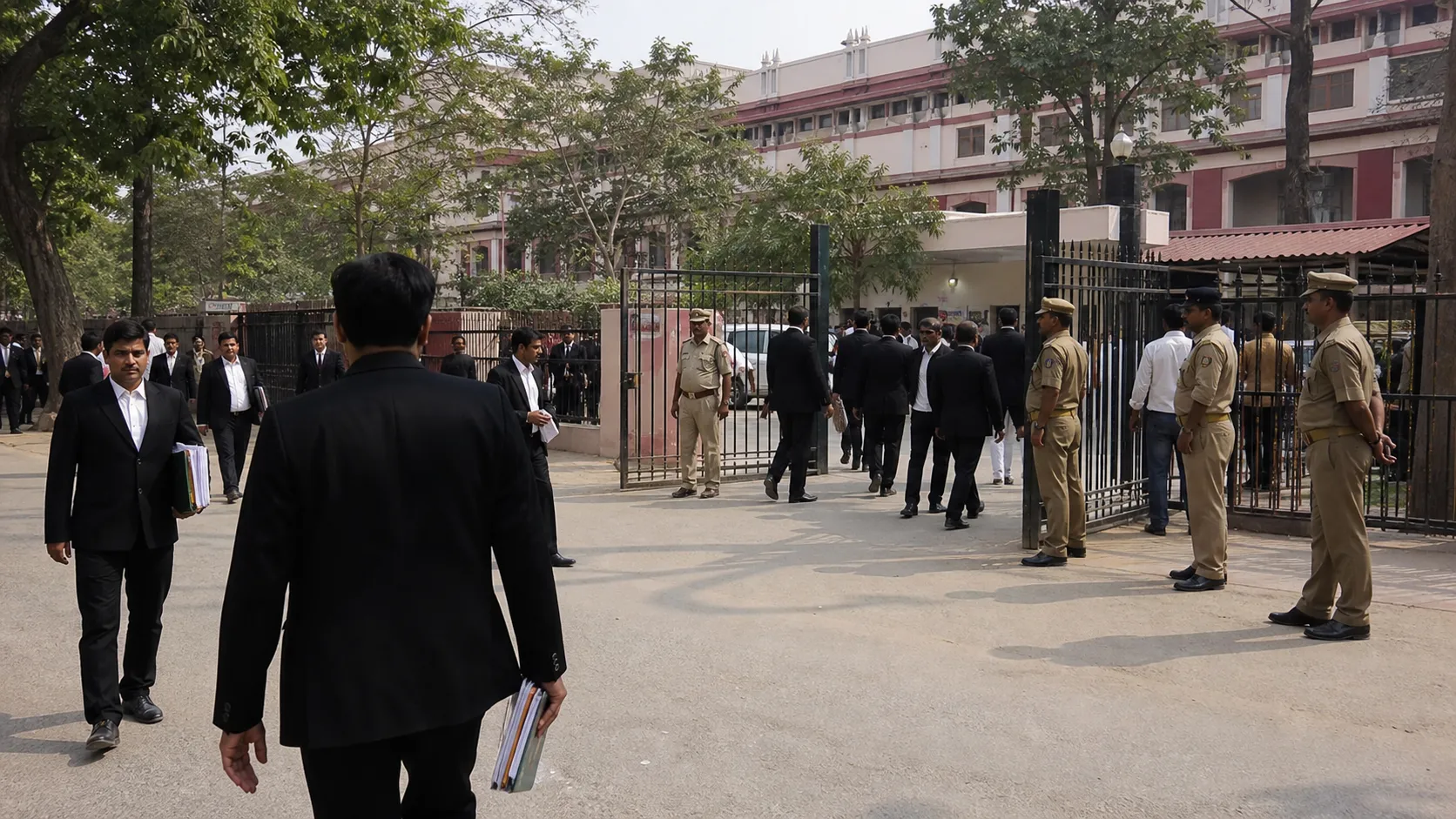
A Varanasi district court has fixed August 17 for further consideration of a review petition connected with the transfer of the original 1991 Gyanvapi suit. District Judge Sanjeev Shukla heard oral objections from the Anjuman Intezamia Masajid Committee and court-appointed friend Vijay Shankar Rastogi before placing the matter on the next date.
The underlying suit was filed in 1991 by the late Pandit Somnath Vyas, the late Pandit Ramrang Sharma and the late Pandit Harihar Pandey. It remains pending before a lower court. Applicant Anushka Tiwari has sought to have that original matter brought together with other pending Gyanvapi cases and treated as the principal suit.
A previous request for transfer was rejected, leading to the present review application. During Wednesday’s proceedings, the court recorded oral objections to application 27-C and scheduled the matter for disposal or further hearing on August 17. The court has not, through this listing order, accepted the transfer request or ruled on the merits of the original case.
That procedural distinction is essential. Gyanvapi litigation carries enormous public and political attention, and even a routine adjournment can be presented online as a major victory or defeat. A hearing date means only that the court will take up the pending application. It does not change possession, worship arrangements or the legal status of disputed claims.
Consolidating related cases can sometimes reduce conflicting orders and repeated evidence. It can also raise questions about jurisdiction, the identity of parties and whether cases involving different reliefs should move together. The district judge will have to consider the actual pleadings rather than the public shorthand used to describe them.
The 1991 origin of the suit also creates a long documentary history. Applications, substitutions after the death of original parties, earlier orders and proceedings in connected courts may all affect what can be transferred and how. Accurate reporting should therefore identify the specific application under consideration instead of treating every Gyanvapi case as one proceeding.
For journalists and readers, the safest guide is the written order. Oral submissions belong to advocates; observations from the bench may guide a hearing but do not automatically become findings. Until the August 17 proceedings and a formal order, claims about the likely outcome remain speculation.
Security and access around the court may again receive attention because of the case’s sensitivity. That should not obscure the ordinary judicial task inside: hearing both sides, applying procedural law and recording reasons.
The latest development is narrow but clear. Objections have been placed on record, the review plea remains pending and the next date is August 17. Anything beyond that should wait for the district court’s order rather than race ahead of it.
Sources and reporting
Based on proceedings before District Judge Sanjeev Shukla reported on 6 August 2026. This is a procedural court update, not a decision on the underlying dispute.
Related Stories

Court Issues Arrest Warrant for HSVP Brass

MCG Finalises Sohna Site for Fresh Waste

GMDA Seeks Station-Wise Metro Parking Plans

Thar Rams Rapido Cab After Sector 89 Quarrel
FDA Raids 3 Outlets Over Paneer Quality