Gurugram Government Schools Report Textbook Shortages Weeks Into Term
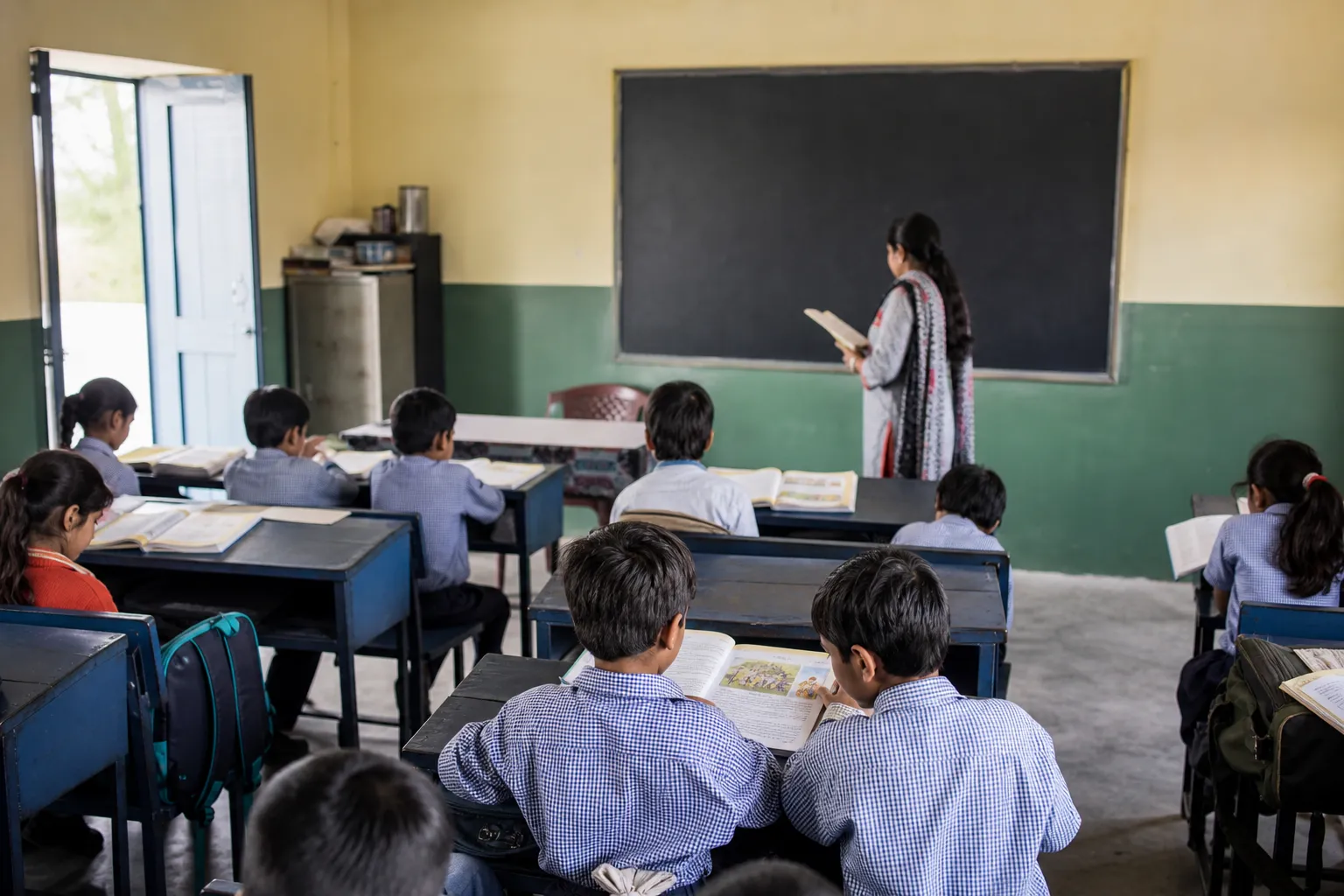
Thousands of children in Gurugram's government schools are several weeks into the academic session without a complete set of textbooks. Teachers say shortages have been reported for one or more classes in almost every primary and middle school, leaving students to share during lessons, use worn copies from previous batches or attend without the book being taught.
The district has nearly 80,000 students enrolled at the primary and middle levels. The reported gaps affect Bal Vatika and Classes 1, 2, 3 and 5. Free textbooks are an entitlement for government-school students under the Right to Education framework, intended to ensure that a family's income does not determine whether a child can follow the lesson.
Teachers trace this year's mismatch to supplies calculated on the previous session's enrolment. Admissions have increased, and they are still continuing in some schools. A revised demand has been sent using updated student numbers, but the time between identifying the gap, printing or reallocating stock and delivering it to classrooms has already consumed part of the term.
Sharing can keep a lesson moving for an hour, but it is not a complete substitute. A child cannot take the shared book home for reading or homework, and two pupils may work at different speeds. The shortage is especially serious in foundational classes, where daily contact with print, pictures, numbers and short exercises builds basic fluency.
Old books offer limited temporary relief. Some families have been asked to collect copies from former students, but newly admitted children may not know anyone at the school. Editions can also change, leaving an older book with different sequencing or missing content. Teachers then spend class time explaining which page or chapter applies.
The recurring nature of the problem points to a planning weakness rather than an unforeseeable emergency. Admissions always move after the first estimate, particularly in areas with migrant families and shifting rental populations. District procurement should therefore include a realistic buffer and a rapid redistribution system that moves surplus stock from one school to another before ordering every missing copy afresh.
A simple school-level dashboard could show enrolment, books received and remaining gaps by class and subject. That would allow the education department to prioritise foundational grades and prevent a headline district total from hiding a complete shortage in one campus. Delivery should be acknowledged by the school and checked against actual student strength, not only dispatch records.
The immediate job is to get current editions into every child's hands without asking parents to buy what the public system promises free. The longer-term fix is to base the first supply on projected admissions and keep reserve stock at a district hub. A new session should begin with teachers discussing the first chapter, not improvising around a stack of books that was calculated for last year's classroom.
Sources and reporting
Based on enrolment figures, shortages reported by government-school teachers and the revised textbook demand submitted after admissions increased.
Related Stories
Four Held for Stone Attack on Manesar Drive
GMDA Plans Rs 20 Cr Dwarka Sector Road Works
Metro Phase-2 Tender Delay Puts 2029 at Risk
SC Flags IAF Depot Buffer Encroachments
DTCP Seals 17 Sites in Sushant Lok Drive