
Fitbit Air Review From Varanasi: A Tiny Fitness Band That Fits Into Real Banarasi Life
Disclosure: Dalimss News CEO Maahir Madhok is a director of Bob's Gym.
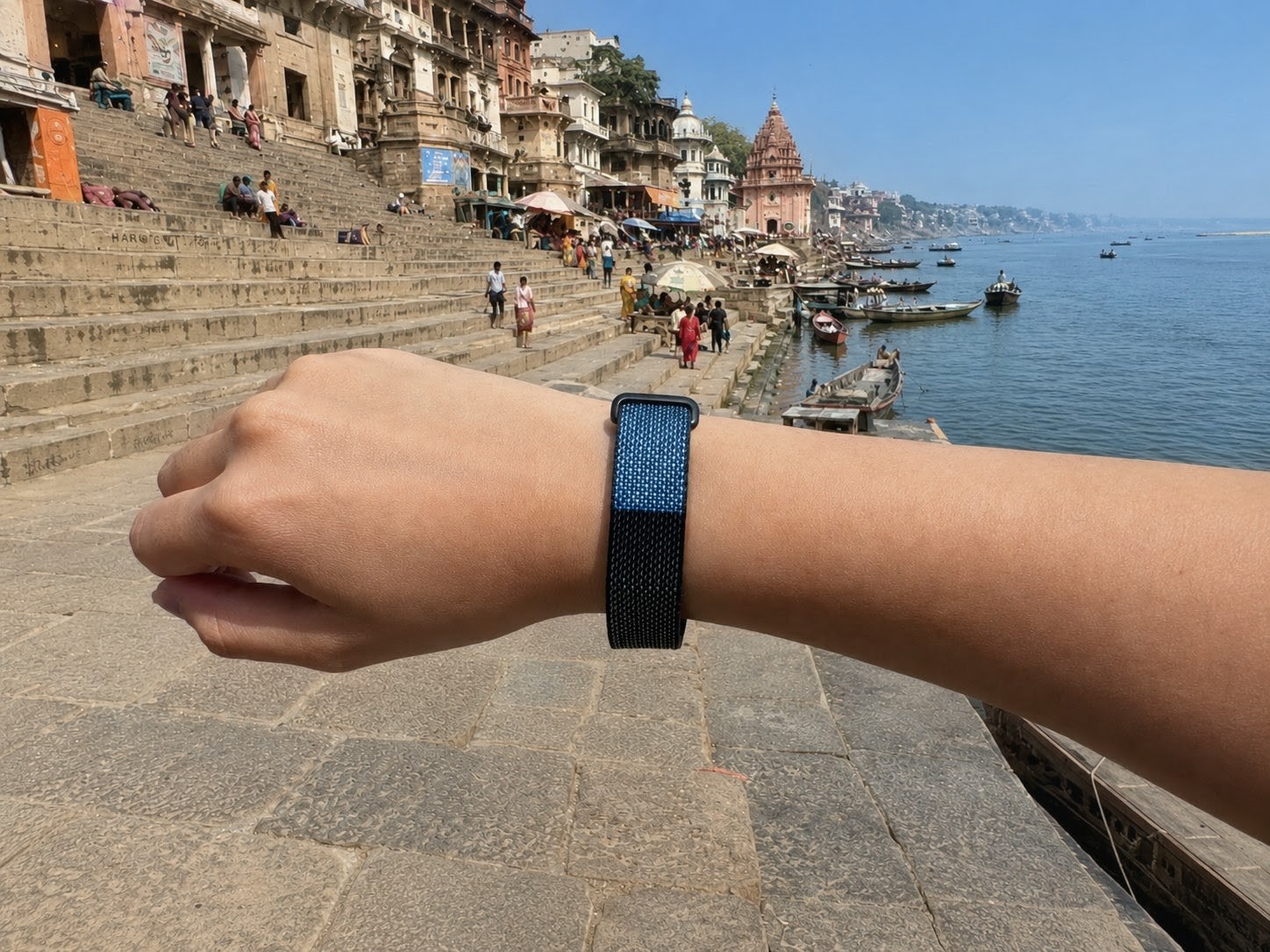
For most people in Varanasi, fitness does not happen in perfect conditions. It happens between school runs, office calls, traffic near Lanka, crowded evenings, humid mornings and the occasional guilt after a heavy Banarasi breakfast. That is why a wearable like the Fitbit Air feels interesting. It is not trying to be a big smartwatch. It is small, screenless, light and almost invisible on the wrist.
I used the Fitbit Air through two very different Varanasi fitness situations: a strength session at Bob’s Gym ( a local gym in Varanasi) and a morning run inside BHU, Banaras Hindu University. One is indoor, loud, sweaty and fast-paced. The other is open, green, calm and full of old Banaras charm. Together, they gave me a clear idea of who this device is really for.
The first thing you notice about the Fitbit Air is how little you notice it. There is no screen demanding your attention, no constant buzzing, no temptation to check messages between sets. At Bob’s Gym, that actually felt like a relief. While moving between machines, dumbbells and a short cardio warm-up, the band stayed comfortable and did not get in the way. For people who dislike bulky smartwatches during workouts, this is a big plus.
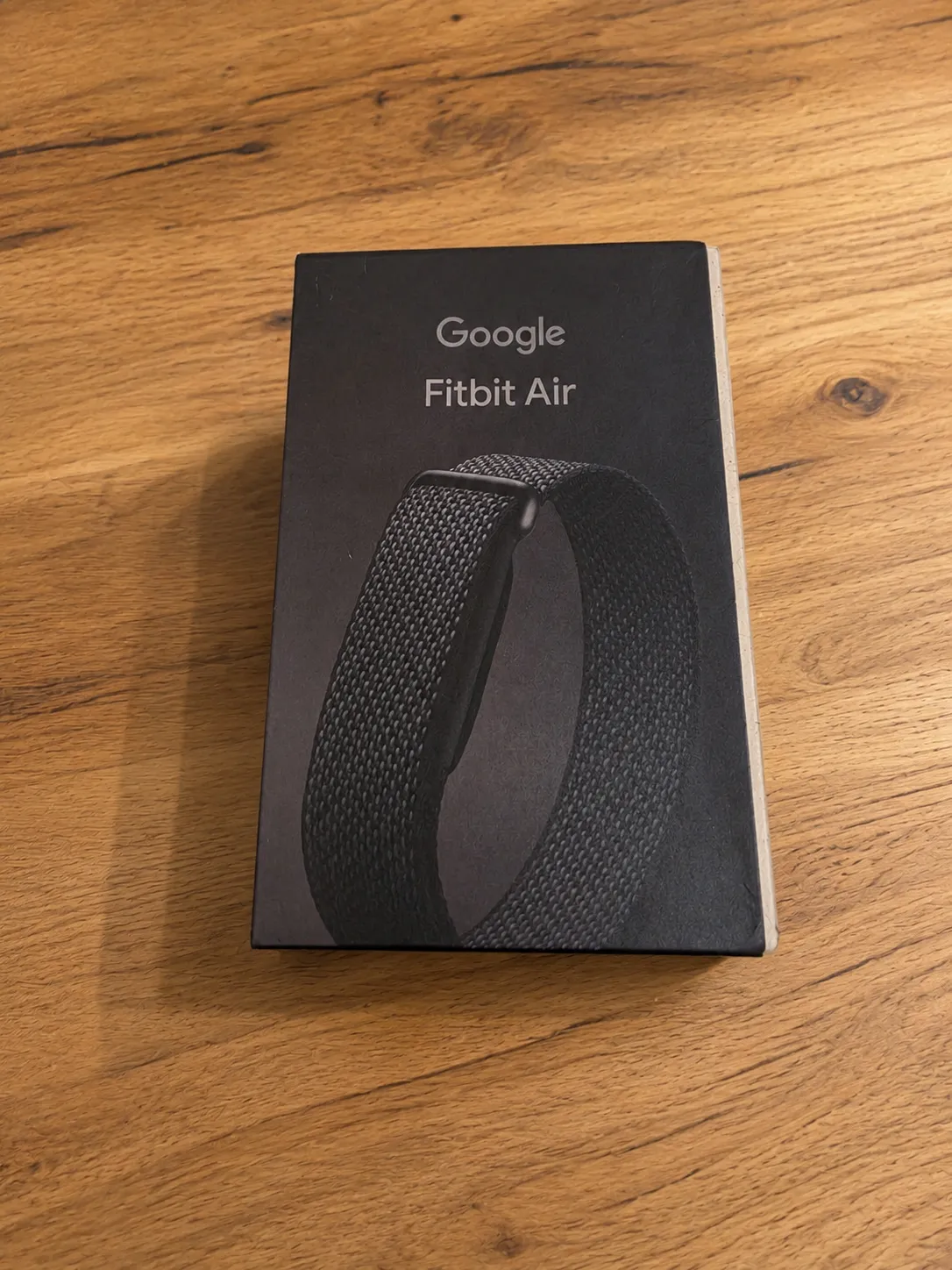
The Air tracks the basics that most regular fitness users care about: heart rate, activity, sleep, resting heart rate, HRV and overall wellness trends. Google officially positions it as a screenless health tracker that works with the Google Health app and offers up to a week of battery life.
During my gym session, the best part was comfort. While doing shoulder presses, treadmill walking and cable exercises, I did not have to adjust it again and again. It feels more like a simple band than a gadget. That matters because many people buy fitness trackers with excitement and then stop wearing them after a week because they feel irritating, bulky or too “techy”.
The Fitbit Air is clearly made for consistency. It wants you to wear it all day, sleep with it at night and slowly understand your body better. In a city like Varanasi, where the weather can be sticky and routines are rarely perfect, a device has to be comfortable first. On that front, Fitbit Air does very well.
The BHU morning run was the more revealing test. Anyone who has run inside BHU knows the feeling: wide roads, old trees, students cycling past, morning walkers moving in groups and that quiet energy which is difficult to find in most parts of the city. The Fitbit Air felt ideal for this setting because it did not distract me. There was no screen to keep checking. I could simply run.
But this is also where its biggest limitation appears. Fitbit Air does not have built-in GPS. For accurate outdoor distance and pace, you need to carry your phone with you, because the band depends on the connected phone for location-based tracking.
For casual runners, that may be fine. Most people running in BHU already carry their phone for music, calls or safety. But serious runners who want exact pace, route maps, lap splits and training-level data may find the Air too basic. A Garmin, Apple Watch or proper running watch will still be better for that audience.
Where Fitbit Air feels stronger is in the way it looks at health beyond one workout. It is not just about how many calories you burned today. It is more about whether you slept properly, whether your recovery looks normal, whether your resting heart rate is improving and whether your routine is becoming more active over time.
That approach suits a lot of people in Varanasi. Not everyone is training for a marathon. Many simply want to lose weight, become more active, sleep better and stop ignoring their health. For that kind of user, the Fitbit Air makes sense.
The Google Health app is both useful and slightly busy. It gives you a lot of information, but it may take some time for a new user to understand where everything is. Google has also moved Fitbit deeper into the Google Health ecosystem, including AI-based coaching and personalised insights.
Some people will like this. Some will miss the older, simpler Fitbit feel. Personally, I liked the direction but felt the app should become cleaner. Health data should not feel like a maze. If a user opens the app after a workout at Gym or a walk in Ravindrapuri area of Varanasi, the important numbers should be easy to see in one glance.
Sleep tracking is one of the biggest reasons to consider the Fitbit Air. Because it is light and screenless, it is much easier to sleep with than a large smartwatch. Many people remove their watch at night because it feels uncomfortable. With the Air, that problem is reduced. For anyone trying to understand poor sleep, late nights, stress or recovery, this can be genuinely useful.
Battery life is another strong point. Google claims up to a week of battery life, and that is exactly the kind of feature Indian users appreciate. Nobody wants another device that needs charging every night.
The design is simple and understated. It will not look odd with gym clothes, daily wear or even a casual office outfit. For women who do not want a large smartwatch on the wrist all day, the Air’s minimal look may be one of its strongest selling points. It does not scream “fitness device”. It quietly sits there and does its job.
However, it is not perfect. The lack of screen means you cannot quickly check your stats during a run unless you open the phone. The lack of built-in GPS means outdoor runners must carry their phone. The app still needs refinement. And if you are someone who likes detailed running metrics, maps, advanced sports modes and live feedback on the wrist, this is not the right device.
But if your fitness life is more realistic — a morning BHU run, an evening gym session, daily steps, sleep tracking, weight-loss goals and basic wellness monitoring — the Fitbit Air is a strong option. It is not trying to replace a sports watch. It is trying to become a health companion that you actually keep wearing.
After using it in Varanasi , India , my feeling is simple: Fitbit Air is best for people who want fitness tracking without the drama of a smartwatch. It is light, comfortable, simple and focused. It works especially well for those who want to build better habits rather than chase professional-level sports data.
For Gym workouts, it is comfortable and practical. For BHU morning runs, it is peaceful and distraction-free, as long as you carry your phone. For sleep and daily health trends, it feels genuinely useful.
Verdict: Fitbit Air is a good choice for casual fitness users, walkers, gym-goers and people who want a screenless health tracker. Serious runners should look elsewhere, but for everyday Varanasi fitness life, this tiny band makes a lot of sense.
Sources and reporting
Dalimss News hands-on review based on the writer's own use of the Fitbit Air in Varanasi, plus the manufacturer's stated specifications.
Related Stories

Arivihan announces $10.2 million Series A for AI tutoring, co-led by Accel and Prosus Ventures
Bengaluru's Camrio opens AI CRM that merges WhatsApp into the pipeline

Flipkart Ventures backs Keploy for AI-native software testing

Eloelo Group opens Dolphin AI video studio after FICCI FRAMES unveil

IBM and Yotta open sovereign agentic AI platform for Indian firms