
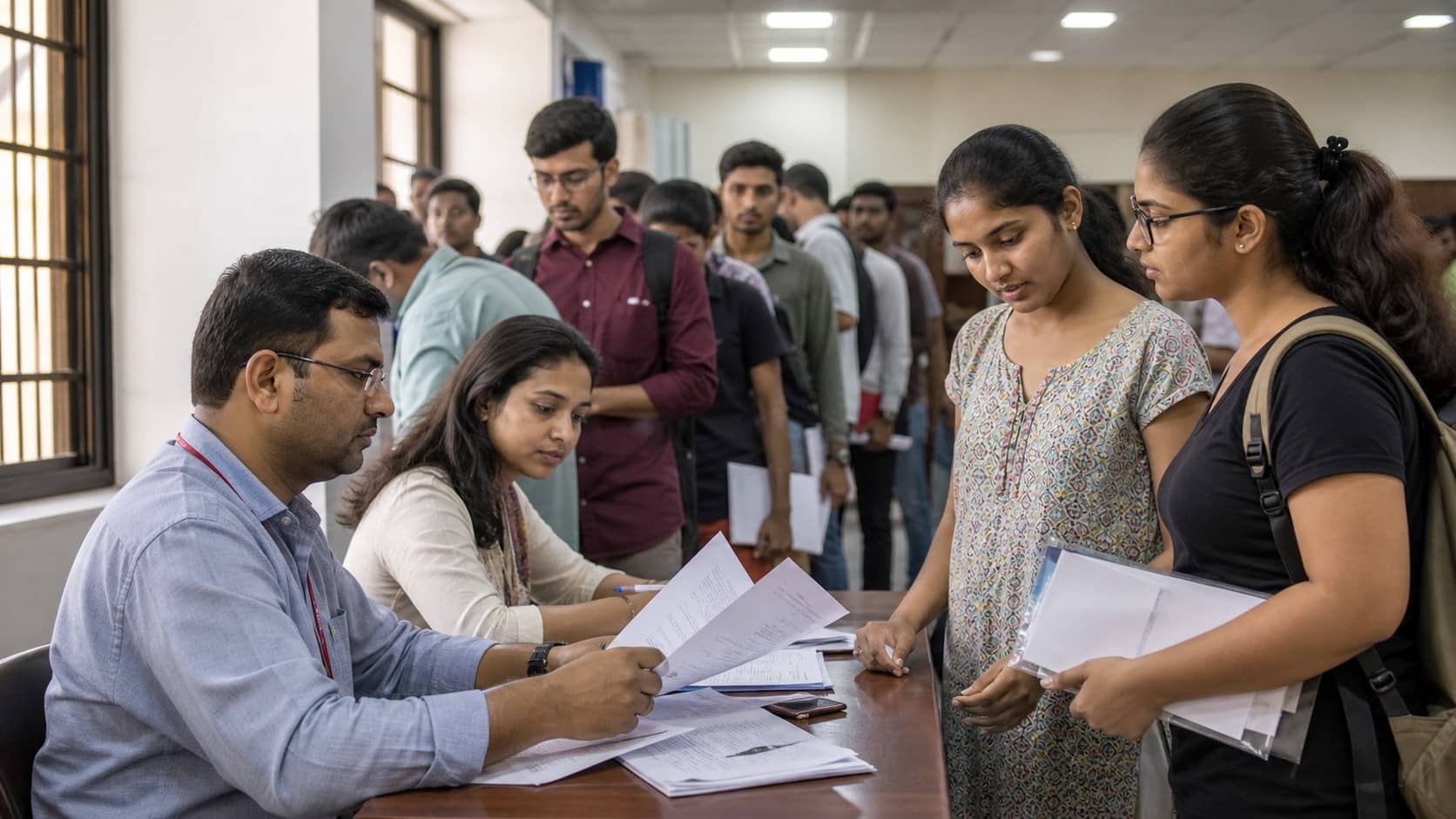
More than 10 allegedly fraudulent caste certificates were detected during undergraduate admission counselling at Harishchandra Postgraduate College in Varanasi, prompting the institution to cancel the related applications. The cases emerged when staff checked documents submitted by candidates seeking admission benefits tied to reserved categories.
College principal Professor Anil Kumar Singh described the matter as serious and said it required investigation. The immediate administrative response—removing the applications from the admission process—protects the current merit list, but it does not answer how the certificates were created, obtained or presented as genuine.
Caste certificates are not ordinary supporting papers. They determine access to seats reserved under constitutional and statutory provisions for historically disadvantaged communities. A forged document can displace a legitimately eligible candidate, making the harm broader than an individual admission irregularity. It also erodes trust in certificates issued through the public system.
Counselling is the point at which digital applications meet physical verification. Names, certificate numbers, issuing authorities and category details can be matched against government records. A document may raise suspicion because of an invalid number, altered format, mismatch in personal details or an issuing office that cannot confirm it. Final findings, however, should come from the competent authority rather than assumption by appearance alone.
The college will need to preserve copies and verification records so that investigators can distinguish between deliberate forgery and errors such as an incorrect upload or obsolete certificate. Candidates should be given notice of the reason for cancellation and the opportunity available under the college’s rules, while any criminal allegation must be handled through due process.
For genuine applicants, the episode is a reminder to use certificates obtained only through authorised channels and ensure that names, dates and category details match other documents. Paying an intermediary for a “quick” certificate creates both academic and legal risk. Even when an online form accepts an upload, discrepancies can surface during counselling or later audits.
Harishchandra PG College’s checks appear to have stopped the suspect applications before seats were finalised. The next step is accountability beyond the campus. If an organised source supplied forged certificates, cancelling a handful of forms will not prevent the same documents from appearing elsewhere. A coordinated verification by the issuing departments and, where warranted, law-enforcement authorities is needed to establish the origin of the papers and protect legitimate reserved-category candidates.
Admission teams at other colleges can learn from the detection. Direct digital verification, trained counselling staff and a documented escalation route reduce the chance that a suspicious paper is either accepted casually or rejected without evidence.