KOCHI: EyeROV, formally IROV Technologies Pvt Ltd, builds remotely operated underwater vehicles and related inspection software from Maker Village in Kalamassery, Kochi, according to its about page.
Founders named by the company are Johns T Mathai (CEO) and Kannappa Palaniappan (CTO). Public emails include info@eyerov.com and sales@eyerov.com. A Delhi regional office and a Qatar partner address also appear on contact blocks.
What the product line covers
EyeROV's public catalogue highlights SAGARA as a deep-sea ROV with a 300 m depth rating and six degrees of freedom, alongside TUNA, iBOAT ALPHA on the surface side, and EVAP, the EyeROV Visualization Analytics Platform for inspection data. Payload options listed for SAGARA-class work include imaging and side-scan sonar, robotic arms, DVL and ultrasonic thickness tools.
The company says it serves dams, tunnels, oil and gas, pipelines, bridges, maritime research, defence and search-and-rescue jobs. Those are application labels on the site, not a published customer list with contract values.
Compliance claims and desk context
The about page cites a Bureau Veritas certificate (IND.26.15669/IM/U) covering design, manufacturing and inspection services, shown as valid until 1 April 2029. EyeROV also points to ISO materials hosted on its domain. Treat certificate numbers as company-posted references and verify them with the issuer when they matter for a tender.
For other Indian robotics and space-hardware explainers on Dalimss, see Pixxel's hyperspectral work and GalaxEye's OptoSAR brief. EyeROV's niche is subsea inspection rather than orbital imaging.
Kochi's Maker Village cluster has produced several hardware startups; EyeROV's focus on inspection hours rather than consumer gadgets is why it shows up in maritime and defence conversations. Hull surveys, dam trash-rack checks and bridge-pier inspections are the bread-and-butter jobs ROVs win when diving is slow or unsafe.
SAGARA's published control station uses a sunlight-readable console with joystick input and pre-installed software. That implies a ship- or shore-deployed team, not a single backpack tourist drone. Buyers should budget vessel time and trained pilots alongside the vehicle price.
International footprints in the GCC and other regions are claimed on the about page without a country-by-country revenue split. For Indian public-sector tenders, domestic reference projects and BV certification scope usually weigh more than overseas brochure maps.
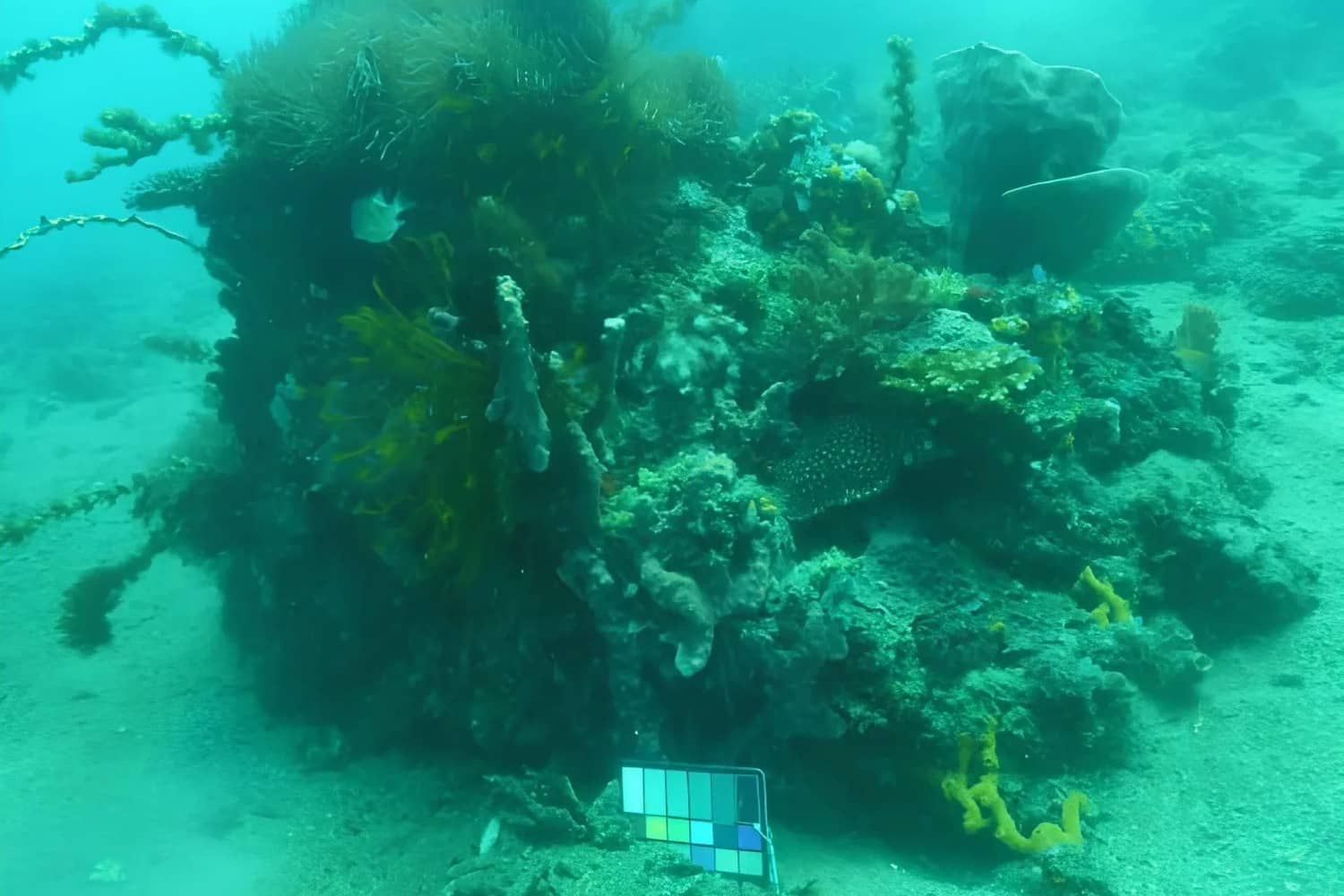
AI enhancement modules shown in EyeROV media are post-processing and live-assist tools. They can improve clarity and object flagging, but turbid Indian river sites still challenge optical cameras; sonar payloads exist for that reason.
Defence and SAR missions need different evidence packs than civil infrastructure surveys. EyeROV markets into both. Procurement officers should ask which airframe and which software build match the classified or uncontrolled variant they are clearing.
EyeROV's ISO and Bureau Veritas paperwork, as posted, covers both manufacturing and inspection services. Hybrid product-plus-service companies often win Indian infrastructure tenders because agencies want a single accountable vendor for the survey report.
Depth rating of 300 m on SAGARA-class vehicles is enough for many harbour, dam and coastal jobs, but not for ultra-deep offshore wells. Matching depth rating to the actual Indian work site is the first filter in any ROV hire.
Founders with IIT backgrounds are common in deeptech pitch decks; EyeROV's longer operating history since 2016 is the more useful signal. Years of inspection hours, if documented in bid annexures, beat founding-year mythology.
Qatar partner contact details show Gulf expansion intent. Indian MSME suppliers often use local agents for GCC work. That does not automatically mean EyeROV vehicles are type-approved by every regional navy.
Journalistic explainers cannot replace dive-safety manuals. Site owners should still run job safety analyses even when an ROV removes divers from the water column.
ROVs reduce diver time on industrial inspections, but they still need trained pilots, vessel support and clear water or sonar workflows when visibility collapses. EyeROV's marketing stresses AI-assisted imaging and analytics; buyers should ask for sample survey reports from comparable Indian sites before treating demo reels as proof of every harbour condition.
CIN U72900KL2017PTC050018 is printed on the company pages. Media and sales queries can use the published Kochi phones and email addresses.