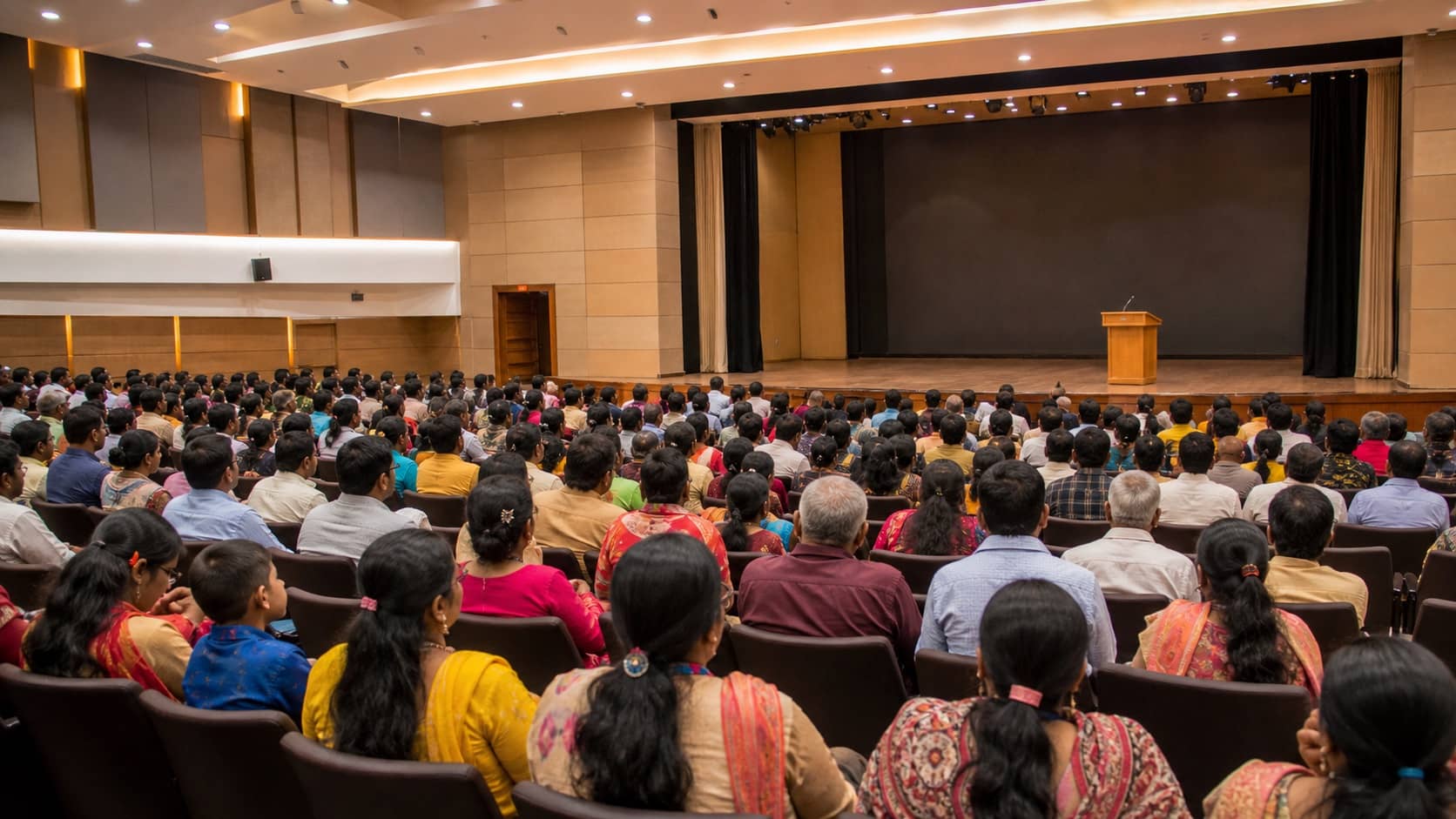
Rashtriya Swayamsevak Sangh general secretary Dattatreya Hosabale used a Raksha Bandhan programme in Varanasi to argue that fraternity, liberty and equality depend on trust within society. Speaking at the gathering, he connected the festival’s familiar thread of protection with the broader responsibility to build social harmony.
Hosabale said bonds weaken when mistrust becomes dominant. His remarks placed fraternity alongside freedom and equality, presenting the three not as competing ideas but as values that sustain one another. Raksha Bandhan, in that framing, becomes an occasion to examine relationships beyond the family and ask whether communities act with mutual confidence.
The event also remembered people affected by the natural disaster in Nepal. Participants paid tribute to victims, adding a note of grief and solidarity to a programme otherwise organised around celebration. The reference widened the gathering’s focus from local social ties to concern for people facing loss beyond India’s borders.
Public speeches on festivals often lean heavily on symbolism. The useful test is how that language translates into conduct. Fraternity can mean refusing to treat neighbourhood differences as permanent divisions, while equality requires that public respect is not reserved for one caste, faith or economic group. Trust, meanwhile, is built through repeated actions rather than ceremonial declarations.
Varanasi is an especially layered setting for that message. Its lanes, institutions and religious sites bring different communities into daily proximity. The city’s identity is often described through spiritual unity, but ordinary civic life can still be strained by suspicion, misinformation or political polarisation. A call for harmony is meaningful only if it can survive disagreement and be reflected in everyday choices.
Raksha Bandhan offers organisers a recognisable language for discussing responsibility. A rakhi expresses affection, but it also places an obligation on the person receiving it. Extending that idea to social life asks citizens to protect dignity, safety and mutual respect, not merely the interests of their closest circle.
Hosabale’s address did not present the festival as a private family matter alone. It used the day to emphasise a civic proposition: liberty and equality are more durable where people recognise one another as belonging to the same social fabric. The programme’s tribute to Nepal’s disaster victims reinforced that point. Sympathy becomes solidarity when it crosses geography, and fraternity becomes real when it shapes the way people respond to those outside their immediate group.
The speech will also be read in the context of the organisation’s wider public role. Listeners may agree or disagree with its politics, but the claims about fraternity can still be evaluated against conduct and institutional practice.