
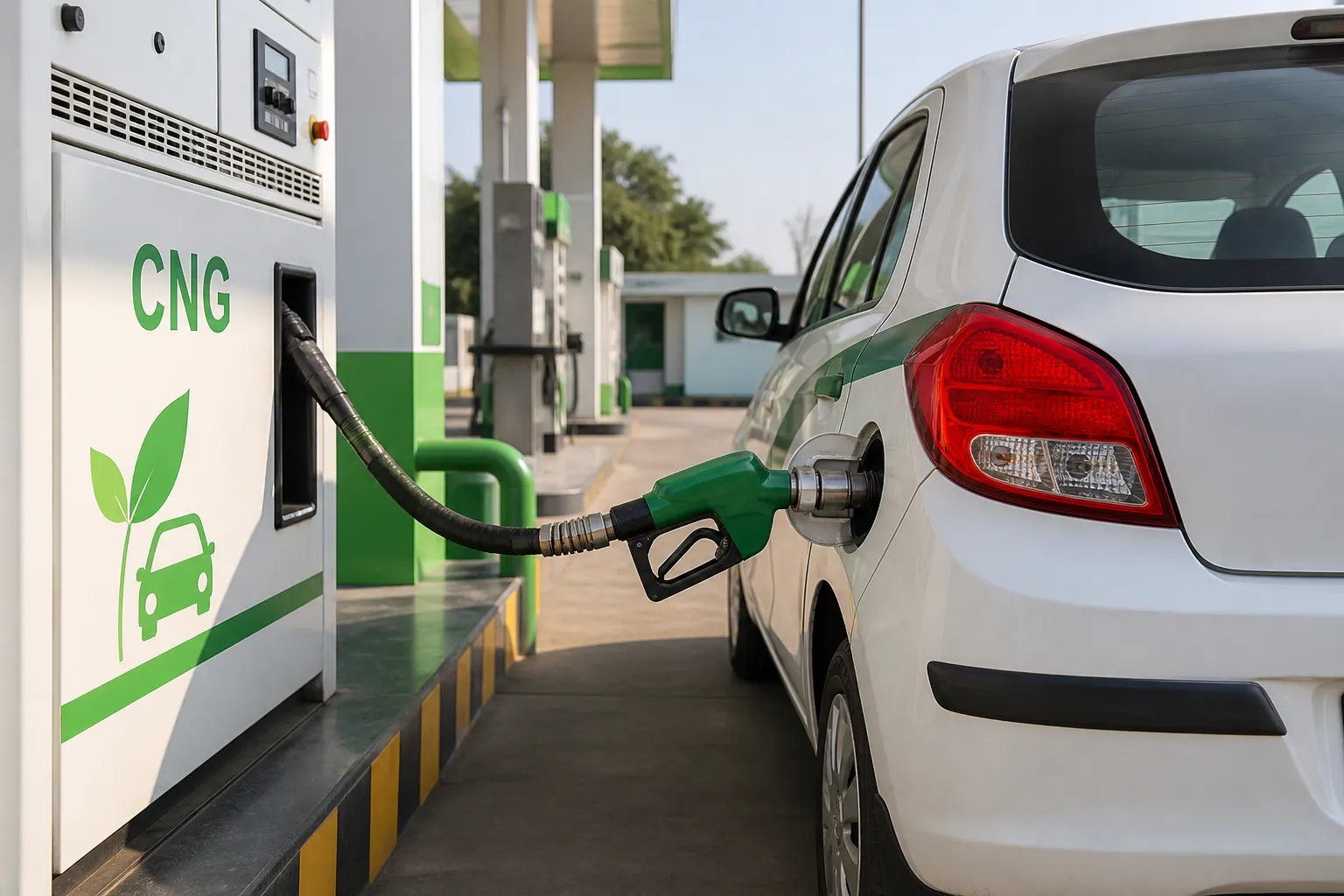
GURUGRAM: Compressed natural gas now costs Rs 92.01 per kilogram in Gurugram after Indraprastha Gas Limited raised retail prices across Delhi-NCR by Rs 3.89. The revision took effect at 6 am on Saturday, 29 August, and is already feeding into the daily arithmetic of autorickshaw drivers, app-cab operators, school transport, delivery fleets and private motorists.
IGL attributed the increase to elevated international liquefied natural gas prices and the larger share of imported spot LNG being used to meet demand. The company described the revision as calibrated and said it only partially offsets the rise in input cost. For consumers, however, the impact is immediate at the pump, regardless of whether global prices later ease.
Small per-kilo rise, recurring monthly bill
A vehicle using five kilograms of CNG a day will spend about Rs 19.45 more daily at the new rate. Over 26 working days, that is roughly Rs 506. A commercial cab burning eight kilograms daily would face an increase of about Rs 31 a day, or more than Rs 800 over the same working month. Actual use varies by mileage, congestion, air-conditioning and route, but the calculation shows why a change of less than Rs 4 per kilogram matters to high-use vehicles.
Gurugram's new price is higher than Delhi's Rs 86.98 per kilogram but below Noida and Ghaziabad, where the notified rate is Rs 95.59. Rewari stands at Rs 91.59 and Karnal at Rs 91.32. These city differences can influence where fleet operators refuel when routes cross the NCR, though detouring to chase a lower pump price can erase the saving through fuel and driver time.
The bigger question is whether passenger fares follow. App-based platforms use dynamic pricing, so riders may not see a simple fuel surcharge. Autorickshaw and taxi drivers, on the other hand, operate within notified or market-negotiated fares that do not always adjust when fuel changes. That gap can produce pressure for higher fares, especially on short trips where waiting time and congestion already reduce the number of rides completed in a shift.
Fleet managers will watch consumption more closely
Companies running school vans, employee cabs or delivery vehicles can limit part of the increase through route planning, tyre pressure, preventive maintenance and reduced idling. Those are modest efficiency measures, not substitutes for the price itself. Gurugram's stop-start traffic and monsoon diversions make real-world fuel use less predictable than a manufacturer's mileage figure.
CNG remains an important transition fuel for NCR transport because it generally produces lower particulate emissions than diesel at the tailpipe. A higher price does not remove that environmental rationale, but repeated increases can narrow the operating-cost advantage that encouraged commercial fleets to switch.
Consumers should check the displayed rate before refuelling and retain digital or printed receipts where fleet accounting requires them. IGL's official schedule is the clearest reference: Rs 92.01 per kilogram in Gurugram from 6 am on 29 August. Any further change should be judged against that base, not against an older rate circulating in a forwarded message.