
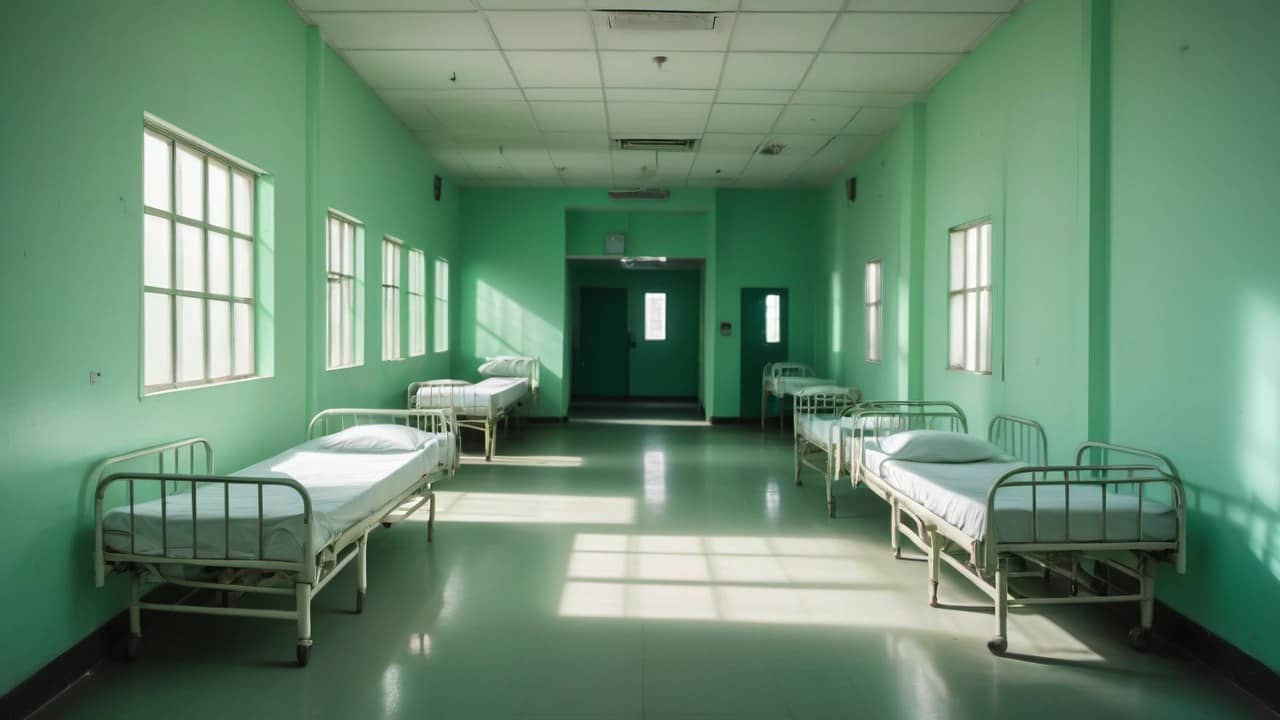
Chief Medical Officer Dr NP Singh issued operating guidelines on Saturday, 29 August 2026, for swine flu (Influenza-A/H1N1) in Varanasi: reserve required beds at district-level hospitals and all community health centres, keep essential medicines in stock, and upload symptomatic persons on the designated portal. The note is a preparedness instruction. It is not an outbreak bulletin. No case count, death count or hospital name was issued with it.
The CMO’s list for health institutions is practical. Reserve the required beds at the district hospital level and at every CHC. Ensure essential swine-flu medicines. Identify, examine and treat people who show symptoms, and refer them if needed. Upload those details on the designated portal so the district can monitor the chain. Medicines, testing and treatment stock are to be reviewed regularly.
Dr NP Singh described swine flu as a contagious respiratory illness that spreads through droplets from a cough, a sneeze or speech. The symptoms listed with the order are fever, cough, sore throat, a runny or congested nose, headache, body and muscle aches, extreme fatigue and weakness. Vomiting or diarrhoea can appear in some cases.
Immediate attention is asked especially for the elderly, young children, pregnant women, and people with pre-existing conditions. That is a risk-group line, not a caseload.
Prevention, as directed: cover a cough or sneeze; wash with soap or use sanitiser; stay out of crowds if symptomatic; avoid contact with the sick; do not throw used tissues in public; rest and take fluids; do not take antibiotics or other medicines without medical advice.
The public appeal is as short as the clinical list. Do not panic. Ignore rumours. Follow a doctor.
Saturday’s order is a fresh operating note from the CMO. It is not a recap of an earlier “no case” line. The two should not be stitched. This file has no case figure because none was issued.
District-level hospitals and all CHCs are the bed locations named. The designated portal is the reporting channel named. The CMO did not attach a hospital-wise bed number or a medicine-stock table. Required beds and essential medicines are the wording.
The droplet line — cough, sneeze, speech — is how the CMO explained spread. The symptom list is how staff and the public are asked to recognise it. The referral-and-portal step is how a symptomatic person is supposed to leave a trail the district can see. Regular review of medicines, testing and treatment stock is the warehouse check attached to the same order.
A reader who treats Saturday as confirmation of circulation in a named ward is ahead of the briefing. A reader who treats it as a “no case” certificate is behind it. The CMO issued beds, medicines, portal reporting and a public caution. He did not issue a tally.
Cover the cough. Wash. Stay out of crowds if unwell. Leave used tissues out of the street. Rest and fluids. Antibiotics only on medical advice. Those lines sit with the institutional order, not instead of it.
Until a case bulletin is actually issued, Saturday remains an operating order on beds, medicines and portal reporting. It is not a confirmation that swine flu is circulating in any named ward.