Chair exercises for beginners can start with gentle seated movements for the chest, upper back, hips, ankles and neck. The NHS sitting exercise guide uses a stable chair and comfortable movements, with repetitions built up gradually. This is a practical option to consider when you want to begin moving at home without getting down onto the floor or buying gym equipment.
The important first decision is whether the movements suit you. Readers with a medical condition should consult a qualified doctor before starting. If you are unsure about an exercise, ask a health professional involved in your care. Stop if a movement causes pain, and do not force yourself to finish a sequence.
| Before you begin | What to check |
|---|---|
| Chair | Solid, stable, without wheels or arms |
| Position | Feet flat, knees at right angles |
| Clothing | Loose and comfortable |
| Approach | Comfortable movement, gradual progress |
How to set up for sitting exercises at home
Choose your chair before thinking about repetitions. The NHS sitting exercise guide specifies a chair without wheels and advises avoiding armrests because they restrict movement. Check that the seat height allows the foot and knee position above. Keep water nearby.
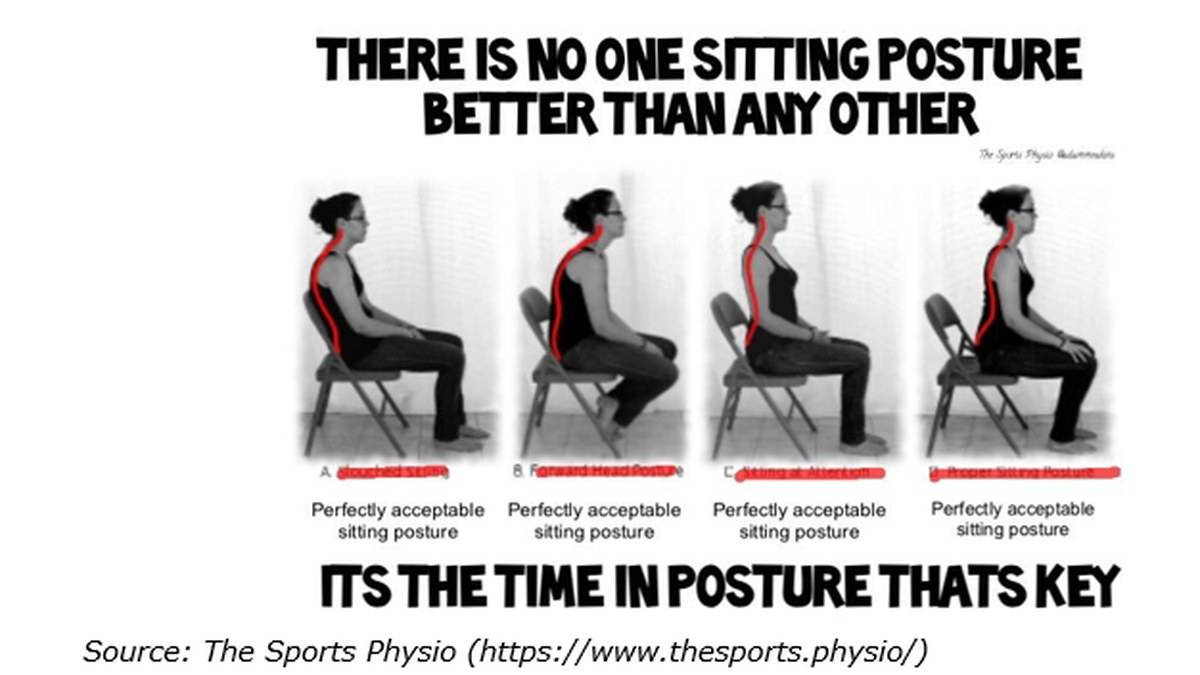
Read an instruction through before moving. It helps to separate three things: your starting position, the body part that moves and how you return. A small, controlled movement that you understand is a more sensible starting point than trying to copy a photograph's full range immediately.
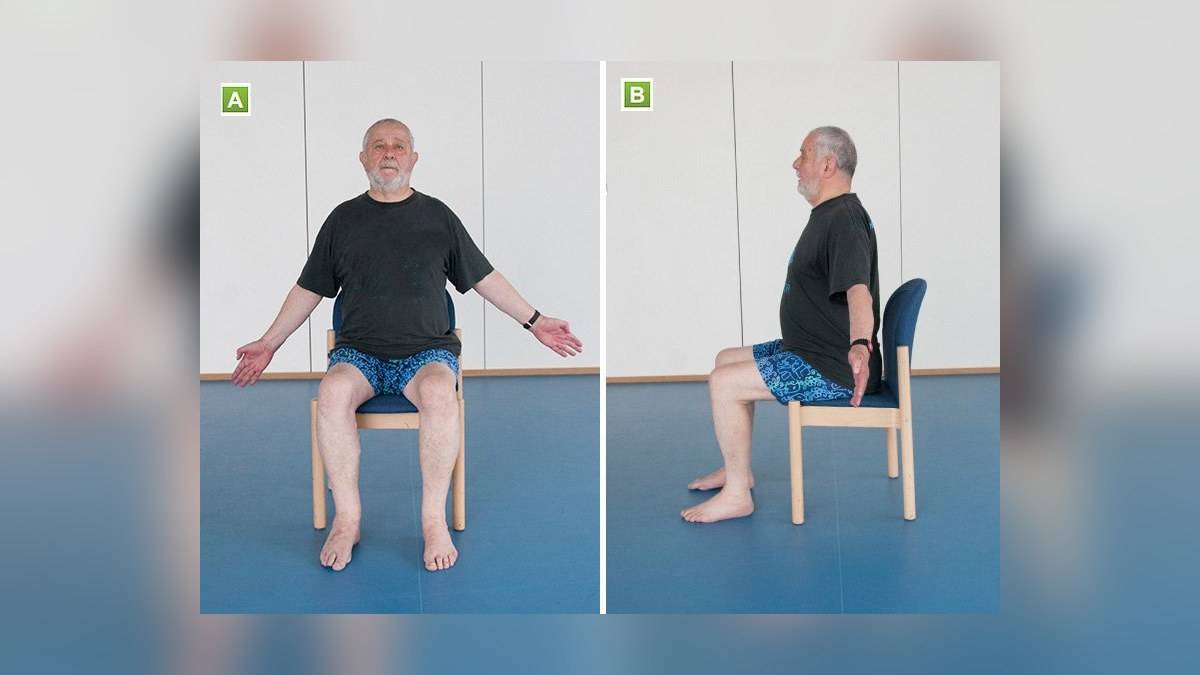
Use the original guide's photographs alongside the descriptions below. Notice that some exercises require holding the chair and others require keeping the hips still. Those are different instructions. Recheck your position when changing exercises, rather than assuming one seated posture works for the entire routine.
Five chair exercises for beginners
The following compact sequence follows the NHS guide. The counts describe its published routine. Beginners should build towards them gradually, using only a comfortable range of movement.
- Chest stretch: Sit upright away from the backrest. Draw shoulders back and down, open arms sideways, then gently lift the chest forward and up. Hold 5 to 10 seconds; repeat 5 times.
- Upper body twist: Keep feet flat, cross arms towards your shoulders and turn left without moving the hips. Hold 5 seconds. Repeat right; do 5 each side.
- Hip marching: Sit upright without leaning back and hold the chair sides. Lift a bent knee comfortably, lower with control and alternate. Do 5 lifts per leg.
- Ankle stretch: Hold the chair, straighten one leg off the floor, then point toes away and back towards you. Try 2 sets of 5 per foot.
- Neck rotation: With shoulders down, slowly look left within a comfortable range, hold 5 seconds and return. Repeat right; do 3 each side.
For a beginner modification, keep the movement smaller rather than reaching for a bigger twist or higher knee. The guide repeatedly makes comfort the limit. Do not use the illustrated position as a target you must reach. If your chair prevents the stated setup, change the chair before continuing.
How to make a manageable beginner routine
The NHS suggests doing its sitting exercises at least twice a week and increasing repetitions slowly. Put those sessions somewhere realistic in your week. A reminder beside your exercise notes can help you remember the sequence without turning every session into a test of how much more you can do.
For your own record, note which movements you attempted, the repetitions completed comfortably and anything you want to ask a professional. Keep the notes factual. For example, write that you stopped during a movement and what you felt, rather than deciding for yourself what caused the sensation.
There is no need to invent a fixed seven day progression. The NHS guidance is to build up slowly. Return to the published instructions as you gain familiarity, and increase gradually only while the movements remain comfortable. If an exercise repeatedly causes difficulty, seek guidance before trying to progress it.
Do chair exercises replace a full workout?
This guide focuses on seated mobility. The NHS explains in its separate strength and flexibility guidance that a repetition is one complete movement and a set is a group of repetitions. Its general strengthening targets should not be substituted automatically for the lower counts in this sitting routine.
The same guidance distinguishes flexibility, which concerns joint movement, from strength work, which makes muscles work harder than usual. That distinction matters when reading a routine online: completing neck turns does not establish that you have trained every major muscle group. The sitting guide recommends combining its routine with other exercise types.
Explore those types separately in our guides to beginner strength exercises using a chair and wall, gentle stretching for beginners and a home workout without gym equipment. Choose activities according to your ability and any professional guidance you have received.
When to stop and seek medical advice
The NHS exercise safety information says to stop immediately if you feel pain or become unwell. It advises getting professional advice first if you have an injury, symptoms, a recent operation or other health concerns, or are pregnant or have recently given birth.
Do not use an online routine to diagnose pain or decide how to rehabilitate an injury. If symptoms persist or concern you, seek medical assessment. The useful starting point here is a clear chair setup, an understood movement and a comfortable stopping point, with professional help whenever suitability is uncertain.