Asthma symptoms include wheezing, a persistent cough, shortness of breath and chest tightness. They can come and go, and cold air, respiratory infections or air pollution can trigger them in some people. A cough on a winter morning does not by itself establish asthma. Recurring breathing problems need assessment by a qualified doctor, especially when they disturb sleep or limit normal activities.
| Common search question | What the guidance establishes |
|---|---|
| Can cold air trigger asthma? | Yes, cold air is one possible trigger in people with asthma |
| Does every wheeze mean asthma? | No, similar symptoms can have other causes |
| Can symptoms be worse at night? | Yes, night and early morning symptoms are recognised |
| Is severe breathing difficulty urgent? | Yes, an asthma attack can be life threatening |
What are the symptoms of asthma?
The World Health Organization's asthma fact sheet explains that inflammation and tightening around the airways make breathing harder. Symptoms vary between people and over time. A person may have several symptoms together, rather than one fixed pattern that appears on every occasion.
WHO lists persistent coughing, especially at night; wheezing while breathing out and sometimes while breathing in; breathlessness, including at rest; and a tight chest that makes deep breathing difficult. These are reasons to seek assessment, rather than a checklist that can confirm the condition at home.
The NHS asthma guide similarly describes symptoms that may be mild or severe, often appearing intermittently and becoming worse at night or early in the morning. Asthma often starts in childhood but can begin at any age. Adults should therefore not dismiss repeated symptoms simply because they did not have asthma as children.
Why can asthma symptoms worsen in winter?
Cold air is a recognised trigger, according to the NHS. WHO also identifies weather changes and colds as situations in which symptoms may worsen. This supports a seasonal explanation for some people, but it does not mean every person with asthma has the same winter pattern or that cold weather is the sole cause.
Other triggers include smoke, fumes, dust, pollen, animal fur or feathers and strong fragrances. WHO also identifies indoor and outdoor air pollution as relevant to asthma. When discussing winter symptoms with a doctor, consider the exposures around an episode rather than attributing everything to the temperature.
For example, useful observations include whether coughing follows exposure to smoke, whether symptoms wake you at night, or whether breathing becomes difficult during activity. These details help describe a pattern. They should not be used to test yourself by deliberately entering a smoky room or repeating an activity that causes breathing problems.
Local pollution conditions and an individual's symptoms are different kinds of information. Neither an air quality reading nor a change in the weather can establish an asthma diagnosis. Cough also occurs in other respiratory conditions. Our guide to how tuberculosis spreads explains that separate infectious disease, rather than a way to identify asthma.
How is asthma diagnosed?
The NHS says an assessment may include questions about symptoms, listening to the chest and breathing tests. Sometimes a blood test is used. Because symptoms vary and breathing difficulties have different causes, reaching a diagnosis can take time. A clinician may ask for observations over a period rather than relying on one consultation.
That uncertainty matters when several illnesses can involve cough or breathlessness. Our explainers on flu symptoms in adults and pneumonia warning signs in children cover separate conditions. Reading symptom lists is useful preparation for seeking care, but it cannot safely settle which condition someone has.
What should an asthma review cover before cold weather?
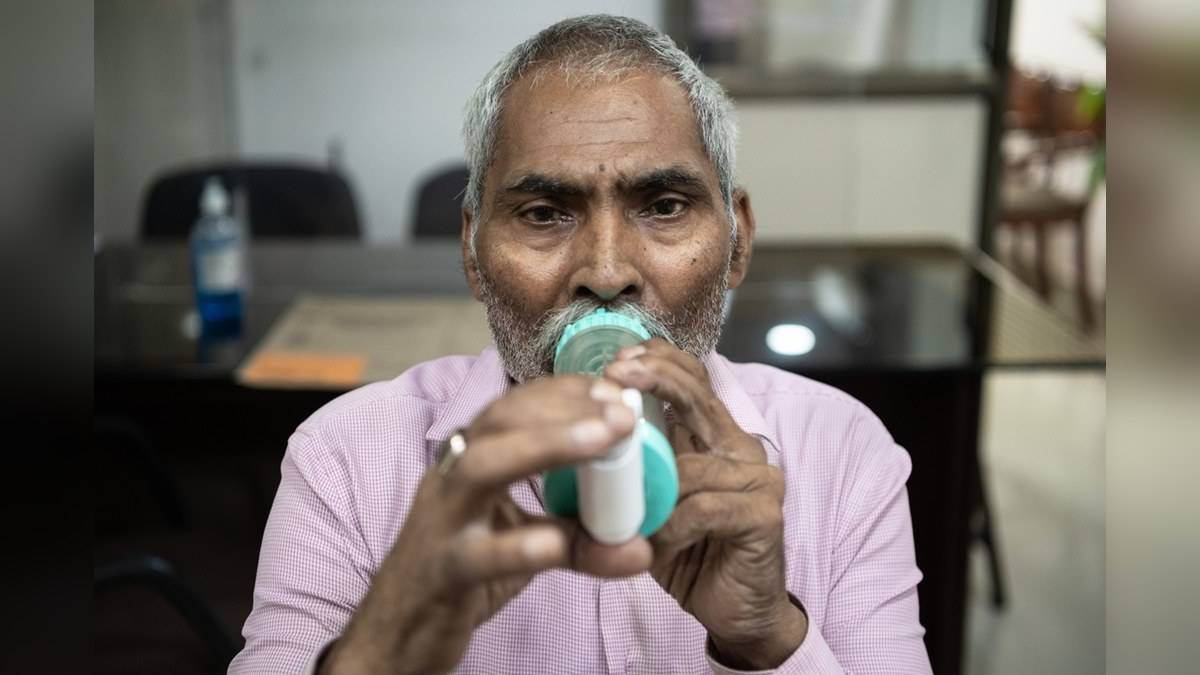
WHO's guidance on asthma education says people and their families need to understand the condition, recognise worsening symptoms and know their triggers. It supports a personalised asthma action plan explained by a healthcare professional. Ask what changes should prompt a call and what requires emergency help.
Night waking, symptoms that interrupt usual activities or a need to use an inhaler more often are reasons for medical review under NHS guidance. Anyone with asthma or another existing medical condition should consult a qualified doctor about new or worsening breathing symptoms. A seasonal trigger is not a reason to accept repeated breathlessness as inevitable.
WHO also stresses that asthma education should involve those helping with care. Family members need to understand the person's action plan and how to recognise deterioration. For children, make sure the adults responsible for their care know the clinician's instructions rather than relying on assumptions about an ordinary winter cough.
When do breathing symptoms need urgent help?
Severe symptoms with difficulty breathing may be an asthma attack and can be life threatening. Seek emergency medical care if an attack is worsening or the person's prescribed action plan is not helping. Do not wait for a routine appointment to resolve severe breathing difficulty. This guide explains recognition and assessment; individual medical decisions belong with the treating clinician.