A normal resting heart rate for most adults is 60 to 100 beats per minute, but that range needs context. Exercise, sleep, medicines and how you feel can change what a reading means. Checking your pulse can tell you its speed and whether it feels steady. It cannot, on its own, diagnose a heart condition or establish how healthy your heart is.
| Question | What official guidance says |
|---|---|
| Usual adult resting range | 60 to 100 beats per minute |
| Before measuring | Sit or lie down quietly for five minutes |
| Counting a steady pulse | Count for 60 seconds, or count for 30 seconds and double it |
| If the pulse feels irregular | Count for a full 60 seconds and discuss concerns with a doctor |
What is a normal resting heart rate?
The US National Heart, Lung, and Blood Institute describes the pulse as the rate at which the heart beats. Its normal resting range is 60 to 100 beats per minute. The word resting matters: a reading taken just after climbing stairs is answering a different question from one taken while sitting quietly.
During exercise, the heart beats faster to supply more oxygen to working muscles. Its rate responds to signals from the nervous system and hormones. A faster pulse during activity is therefore not automatically evidence of disease. Equally, comparing an active reading with a resting reference range can create unnecessary worry.
A pulse reading also differs from blood pressure. Heart rate counts beats in a minute; blood pressure describes the force of blood against artery walls. One does not substitute for the other. Readers looking at both measurements can also consult our guide to Beats 360 headphones land in India at Rs 42,900.
How to check your pulse at the wrist
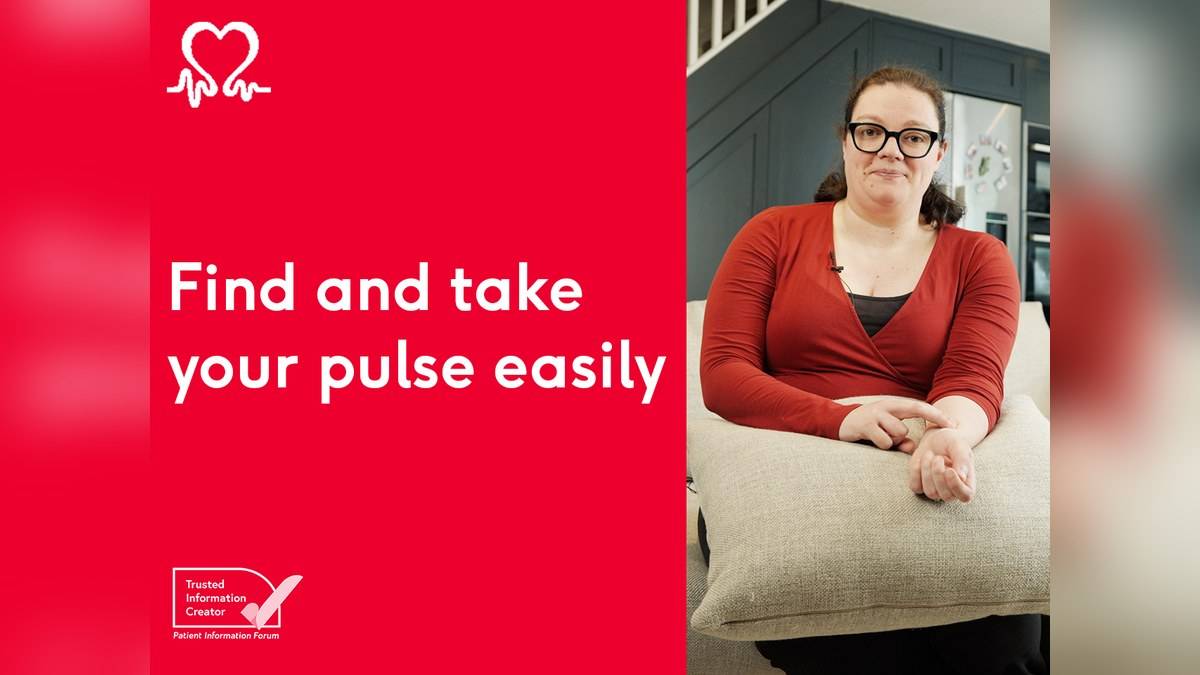
The British Heart Foundation's pulse guidance says to sit or lie down for five minutes before checking. Avoid smoking or caffeine beforehand. Checking at the same time each day makes readings more comparable. Record whether you were resting rather than treating every measurement as interchangeable.
Turn one hand so the palm faces upwards, with the elbow slightly bent. Put the pads of your index and middle fingers on the inside of the opposite wrist, near the base of the thumb. Press lightly until you feel the tapping pulse. You do not need to press hard or use special equipment to count it.
Count the beats for a full minute. Alternatively, if the pulse feels steady, count for 30 seconds and multiply by two. For example, 36 beats in 30 seconds gives 72 beats per minute. That calculation expresses the count in the usual unit, bpm; it does not provide a diagnosis.
Notice the spacing between beats as well as the total. If the pulse feels irregular, the Foundation advises counting for the full 60 seconds. An average number can conceal uneven timing, which is why the rhythm is useful information to bring to a consultation.
Is a resting heart rate below 60 or above 100 dangerous?
A number outside the usual range does not have a single explanation. The Foundation says a rate below 60 may occur in very fit people, during sleep or in people taking medicines such as beta blockers. A low reading accompanied by dizziness, faintness, fainting or unusual tiredness deserves medical assessment.
A rate above 100 can occur during exercise. Illness or dehydration can also raise the pulse. An unexplained fast heartbeat at rest should be discussed with a qualified doctor. Do not change prescribed medicine to alter a reading. Anyone with an existing heart condition or another medical condition should consult a qualified doctor about their individual results.
People sometimes search for separate normal pulse charts for men and women. The general adult sources used here give a shared resting range rather than a separate target for each sex. These figures should not be used as a children's chart or as a personalised exercise target. For activity context, see our explanation of Hypertension symptoms: why high blood pressure can feel silent.
When does a noticeable heartbeat need medical help?
NHS guidance on palpitations describes racing, pounding, fluttering or skipped beats. It advises medical review when episodes keep returning, become more frequent or last longer than a few minutes, particularly with a heart condition or family history of heart problems.
Seek emergency medical help for palpitations that do not go away, or palpitations with chest pain, shortness of breath, faintness or fainting. Do not delay help while repeatedly counting your pulse. If those warning symptoms have stopped, urgent medical assessment is still appropriate.
A clinician may use an electrocardiogram to examine the heart's electrical signals. A home count supplies useful observations, while clinical assessment establishes their meaning. Alongside the time and number, describe the symptoms and circumstances. Our Moderate intensity exercise: how to use the talk test provides separate background on regular movement, rather than a way to interpret a concerning pulse.