
Stair climbing can contribute to aerobic fitness and leg strength, but there is no universal daily floor target in the NHS guidance reviewed for this article. The NHS lists walking upstairs among vigorous activities and climbing stairs among muscle strengthening activities. For someone starting out, the useful question is whether the effort suits their present fitness and can be increased gradually, rather than how quickly they can complete a staircase.
| Question | What the official guidance says |
|---|---|
| Does climbing stairs count as exercise? | Yes. Walking upstairs appears in the NHS examples of vigorous activity. |
| Does it work muscles? | Climbing stairs is included in its strength activity examples. |
| Is running upstairs the same? | No. The NHS lists running upstairs as very vigorous activity. |
| Is there a daily floor prescription? | The cited guidance gives weekly activity goals, without a required floor count. |
What are the benefits of stair climbing?
The NHS strength and flexibility guide explains that strength activity makes muscles work harder than usual, using body weight or resistance. It includes climbing stairs among the examples, alongside hill walking and other activities. Its guidance links strengthening work with maintaining everyday function and slowing the loss of muscle and bone associated with ageing.
Stairs also appear in the NHS examples of activities that strengthen the legs and help maintain balance and coordination. That describes why they can be useful within a wider activity routine. It does not establish that every person should use stairs for exercise, or that repeatedly climbing flights is the appropriate starting point for someone concerned about falling.
The aerobic side depends on effort. The NHS adult activity guidance describes vigorous activity as making you breathe hard and fast, leaving you able to say only a few words before pausing for breath. Walking upstairs is one of its examples. A staircase can therefore feel considerably more demanding than an ordinary walk on level ground.
How many stairs should you climb every day?
The official pages cited here do not specify a daily number of steps, floors or stair repetitions. Their main adult aerobic target is at least 150 minutes of moderate activity a week, or 75 minutes of vigorous activity, with combinations also possible. The NHS recommends spreading exercise over four or five days, or every day. These are overall activity goals, rather than instructions to spend that entire time on stairs.
For illustration, five separate periods of 15 minutes add up to 75 minutes. That arithmetic explains the weekly total; it is not a beginner stair workout. Choosing an activity, duration and intensity still depends on fitness and health. Someone who currently does little activity should not treat the weekly figure as an instruction to attempt a long staircase session immediately.
Strength activity is a separate part of the guidance. Adults should work all major muscle groups on at least two days a week, including the legs, hips, back, abdomen, chest, shoulders and arms. Stair climbing's place on the strength list does not mean it covers that whole list of muscles. A routine built entirely around stairs may leave other areas unaddressed.
How to approach stair climbing as a beginner
The NHS advises starting gradually and building up over weeks. A cautious application is to choose a manageable amount of ordinary stair walking, keep the movement controlled and rest when needed. Use a handrail for support where available. Do not turn an everyday staircase into a speed challenge. If the movement causes pain, stop rather than trying to complete a target.
Running upstairs is a different proposition: the NHS places it among very vigorous activities performed in short bursts of maximum effort. A beginner does not need to progress to running to make activity worthwhile. The World Health Organization's physical activity guidance stresses that any amount of activity is better than none and that all activity counts.
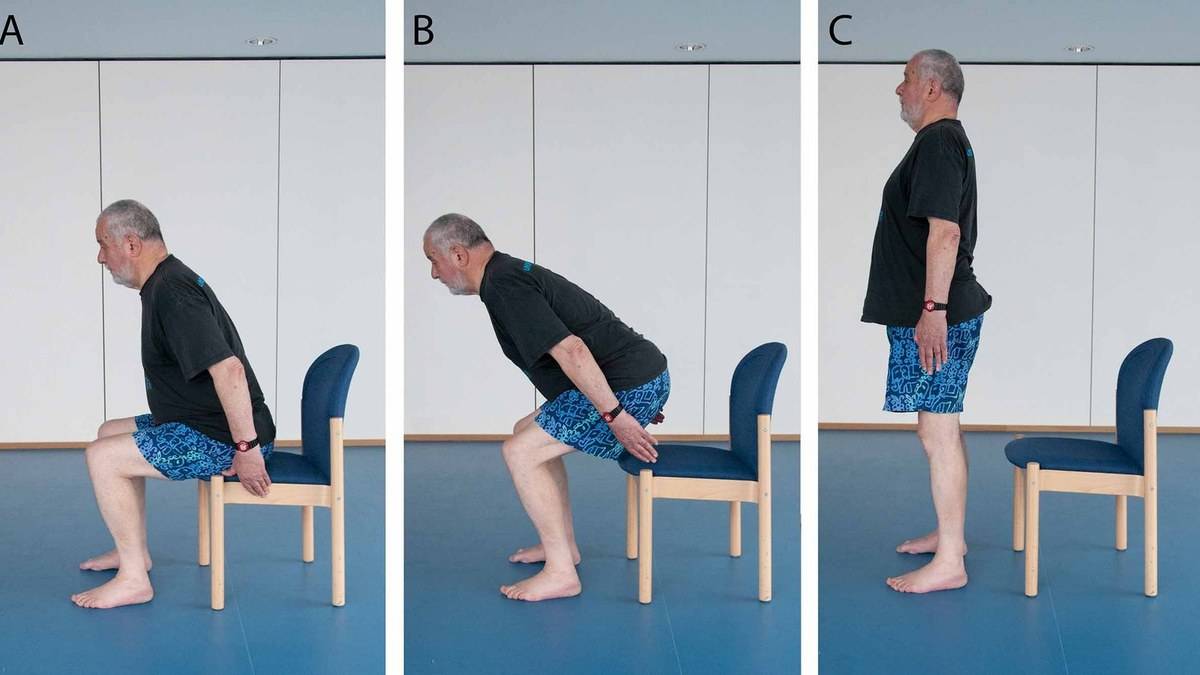
If stairs feel too demanding, a gentler movement may be a more suitable place to begin. The NHS home strength guide includes slowly standing from a stable chair and sitting back down. It recommends a chair without wheels that will not slip. Readers who need help choosing a safe alternative should seek professional guidance, particularly if balance is a concern.
Who should speak to a doctor before starting?
People with an existing medical condition should consult a qualified doctor before beginning or increasing a stair exercise routine. The NHS also advises speaking to a doctor if you have not exercised for some time or have health concerns, so that the activity and intensity match your fitness. General public guidance cannot assess an individual's limitations.
For more context, read our guides to recognising exercise intensity, walking and weekly activity minutes, and beginner strength movements. The practical aim is a sustainable mix of suitable activities, with stairs contributing where they are comfortable and safe.