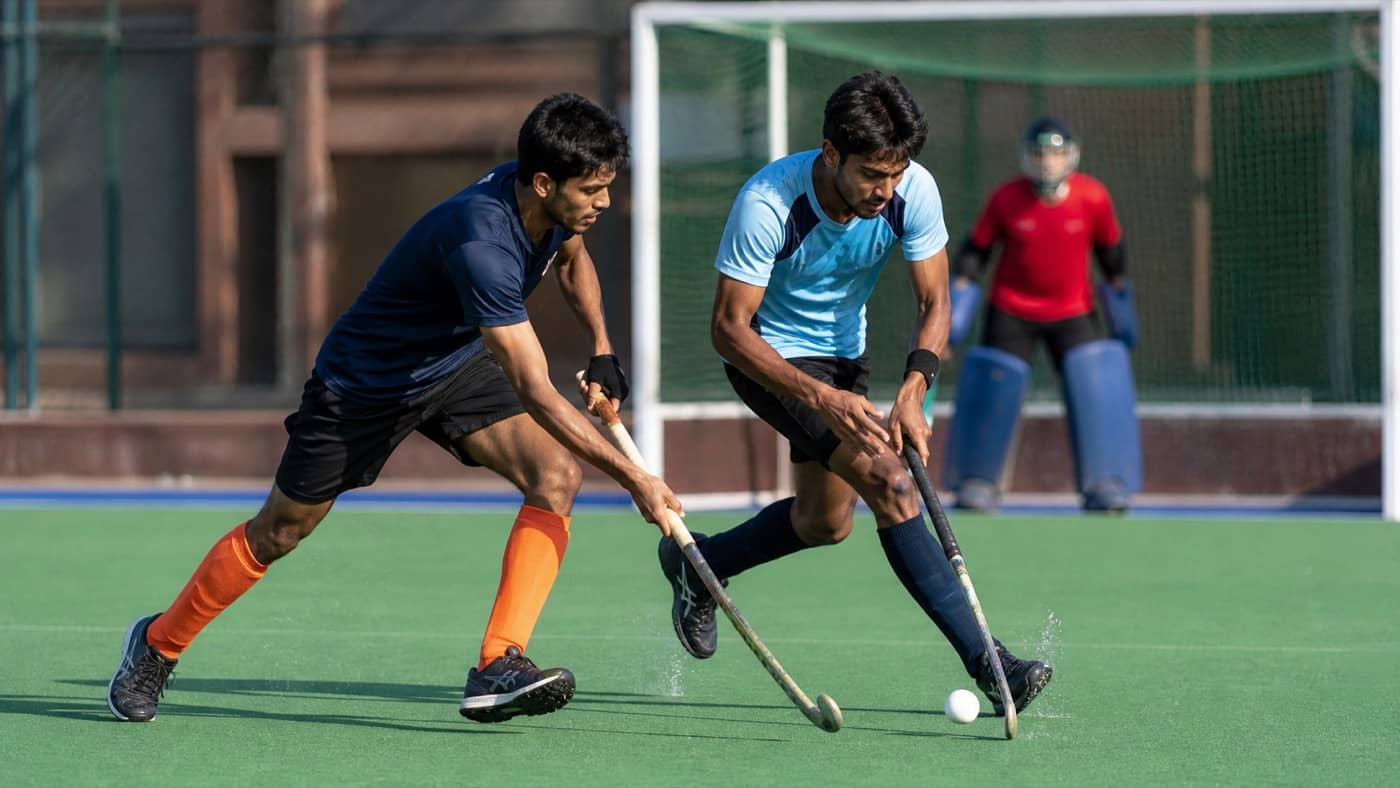
VARANASI: Banaras Hindu University defeated a team from Sigra Stadium 2–0 in a hockey match organised for National Sports Day, giving the campus tribute to Major Dhyan Chand a competitive centre. The university sports council hosted the fixture on Saturday in the presence of Vice-Chancellor Professor Ajit Kumar Chaturvedi and council officials.
The score reflects a controlled win, though the published report did not identify the scorers or provide a minute-by-minute account. BHU kept a clean sheet and converted twice against a side drawn from one of the city’s main sports facilities. For players, the occasion offered a visible match rather than a ceremonial demonstration.
Professor Chaturvedi described sport as an important foundation for a healthy and strong nation. He urged players to value continuous work, discipline and sporting conduct above the simple division between victory and defeat. Sports council vice-president Professor Archana Singh and secretary-general Professor A.K. Nema also attended and acknowledged the performance.
Hockey carries special weight on Dhyan Chand’s birth anniversary, but the sport must compete for attention and playing space through the rest of the year. A commemorative match can attract students who know the legend but have never held a stick. Retaining them requires beginner sessions, equipment they can borrow and a safe progression into competitive training.
The BHU–Sigra fixture also connects two sporting ecosystems: a large residential university and a city stadium serving athletes from beyond the campus. More regular matches between the two can improve competition for both. Coaches see unfamiliar opponents, players encounter different styles and spectators gain a local fixture with recognisable institutions.
Publishing fuller match information would make that connection stronger. Team lists, scorers, goal times and photographs from multiple moments help athletes build a record of their work. They also allow school players to see a pathway from local training into university sport.
BHU earned the 2–0 result on the day, but the larger win would be a repeatable hockey calendar. Varanasi’s relationship with the game is rich in memory; it needs present-tense opportunities as well. A Sports Day match honours Dhyan Chand most convincingly when it leads to another training session, another fixture and another young player deciding to stay with hockey.
The match can serve as a starting point for data too. Attendance, player minutes, injuries and repeat participation help the council plan facilities and coaching. Universities routinely measure academic outcomes; their sports programmes benefit from the same seriousness. Evidence can justify budgets and show whether an anniversary event actually brings new students into sustained physical activity.