
NEW DELHI: If someone in your family is flying home from Dubai, Singapore or the US this Diwali with a new laptop or phone in their bag, the rules they will be judged by changed this year. The Baggage Rules, 2026, announced by the Ministry of Finance on 2 February, reset the duty-free allowance and spelled out how laptops are treated.
The official text is summarised in the PIB release on the Baggage Rules, 2026. Here is what it means for gadgets, in plain terms.
The headline allowance: Rs 75,000
Residents of India and tourists of Indian origin get a duty-free allowance of Rs 75,000 when they arrive by air, according to the release. Foreigners on visas other than tourist visas are covered by the same Rs 75,000 figure.
Tourists of foreign origin get a lower allowance of Rs 25,000. Crew members get Rs 2,500. The release says there is no duty-free allowance for passengers arriving by land.
The allowance is a value, not a list of items. It covers the total value of goods you bring in beyond personal effects, and anything above it attracts customs duty on the excess.
Laptops get their own line
The rules allow one laptop to be brought in free of duty by a passenger above 18 years of age, according to the PIB release. That is separate from the Rs 75,000 allowance.
So a parent returning with one new laptop for their own use is in a different position from someone carrying two or three for relatives. The second and third machines count against the general allowance, and, once that is used up, duty applies.
Put numbers on it. A MacBook Neo is listed at Rs 79,900 on Apple's India store, price as of 6 October 2026, 1:35 AM IST, as covered in our piece on the MacBook Neo India price and early deal. One such laptop would come in under the laptop provision. A second would on its own exceed the Rs 75,000 allowance.
Phones, tablets and the rest
There is no separate phone provision of the kind laptops have in the release. A new phone, tablet, camera or smartwatch counts towards the Rs 75,000 allowance.
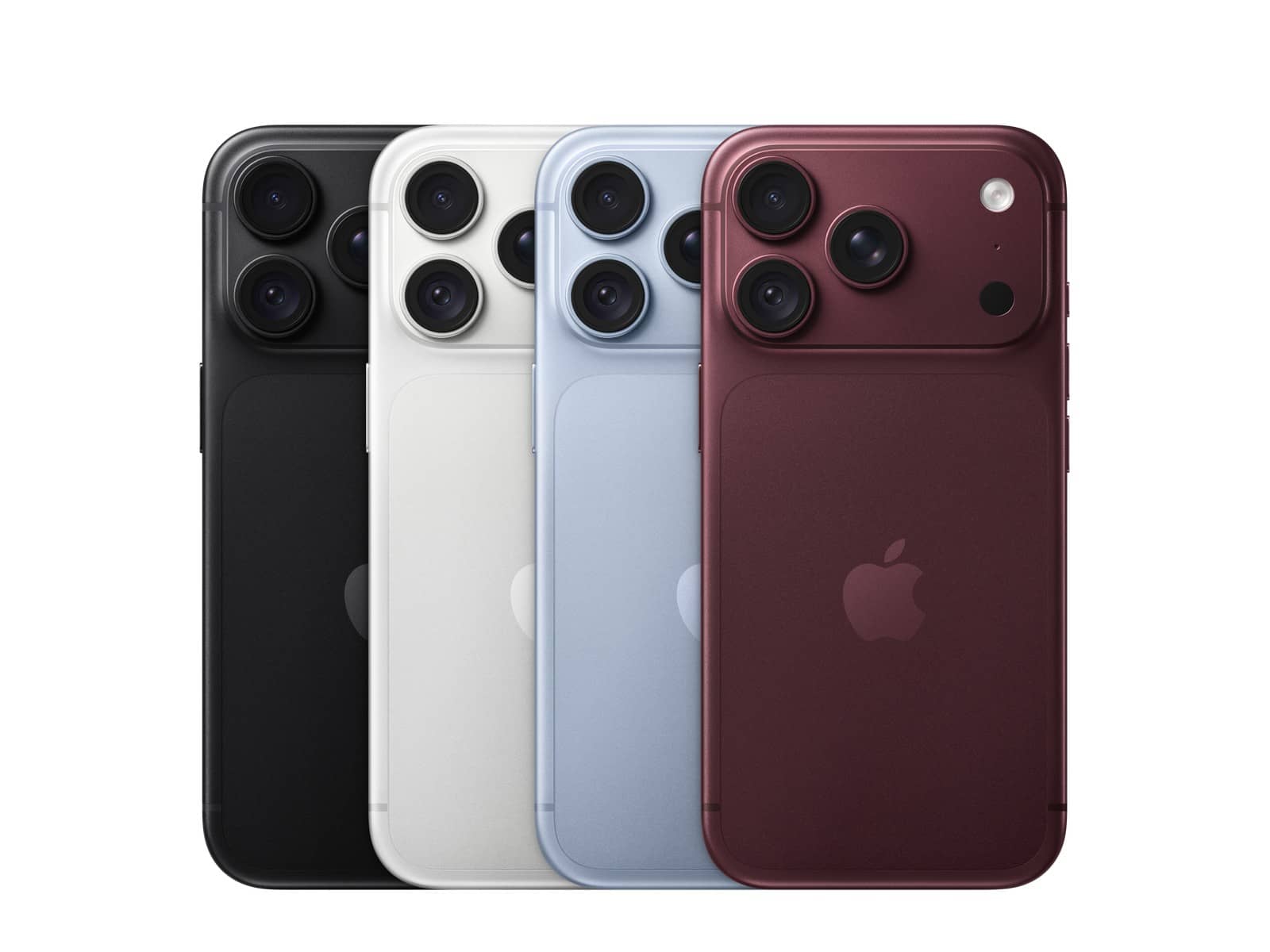
That allowance gets used up quickly with current flagships. An iPhone 18 Pro is Rs 1,64,900 on Apple's India store as of the same check. An iPad Pro starts at Rs 1,39,900. A single top-end phone bought abroad will usually cross the limit by itself, and the passenger has to declare it.
Duty is calculated on the value above the allowance. The rate depends on the item and the tariff in force, so check the current rate on the Central Board of Indirect Taxes and Customs website before you travel instead of guessing.
Declaring is easier now
One practical change: the rules allow passengers to declare goods electronically and in advance. That should cut down on queues at the red channel for people who know they are carrying dutiable items.
A worked example helps. Say a son returning from Dubai carries a new laptop for himself, an iPad Air for his sister and a phone for his father. The laptop can use the one-laptop provision. The iPad Air starts at Rs 89,900 on Apple's India store as of our check. Even if it cost less in Dubai, it will take a large bite out of the Rs 75,000 allowance before the phone is counted. Both should be declared, and duty will be worked out on the value above the allowance.
Keep the purchase invoice for each gadget in your hand baggage, not in checked luggage. Officers assess value, and a clear invoice saves argument. Card statements help too.
Once home, run a quick check on any phone bought abroad. The Department of Telecommunications' Sanchar Saathi portal has a Know Your Mobile service: dial *#06# to see the 15-digit IMEI, then send "KYM" followed by the IMEI as an SMS to 14422, or enter it on the portal or app. The reply shows the brand and model registered against that IMEI. DoT says handsets with invalid or all-zero IMEIs are not allowed on Indian networks.
Moving back to India for good
For people relocating rather than visiting, the rules carry transfer of residence benefits that scale with time spent abroad. The release lists Rs 1.5 lakh for a stay of up to 12 months, Rs 3 lakh for one to two years, and Rs 7.5 lakh for more than two years.
These are larger cushions than the tourist allowance, but they come with conditions on eligibility and the goods covered. Returning residents should read the full rules or speak to customs at the airport before shipping a household's worth of electronics.
Is it still worth buying abroad?
For a single laptop, the answer often comes down to price and warranty. Compare the foreign price, after sales tax and your card's currency markup, with the India store price and any Indian bank offer. Our earlier MacBook Air India store price check has the current Apple India numbers for that laptop range.
For phones, the Rs 75,000 allowance means most new flagships will attract some duty, which eats into the saving. The festive sales at home, on the dates in our Amazon and Flipkart festive sale dates and fine print, add another option worth checking before anyone fills a suitcase.
None of this is complicated once you know the figures: Rs 75,000 for most arriving Indians, one laptop free for adults, and declare anything beyond. The PIB release is the place to start, and customs officers at the arrival hall have the final word.