
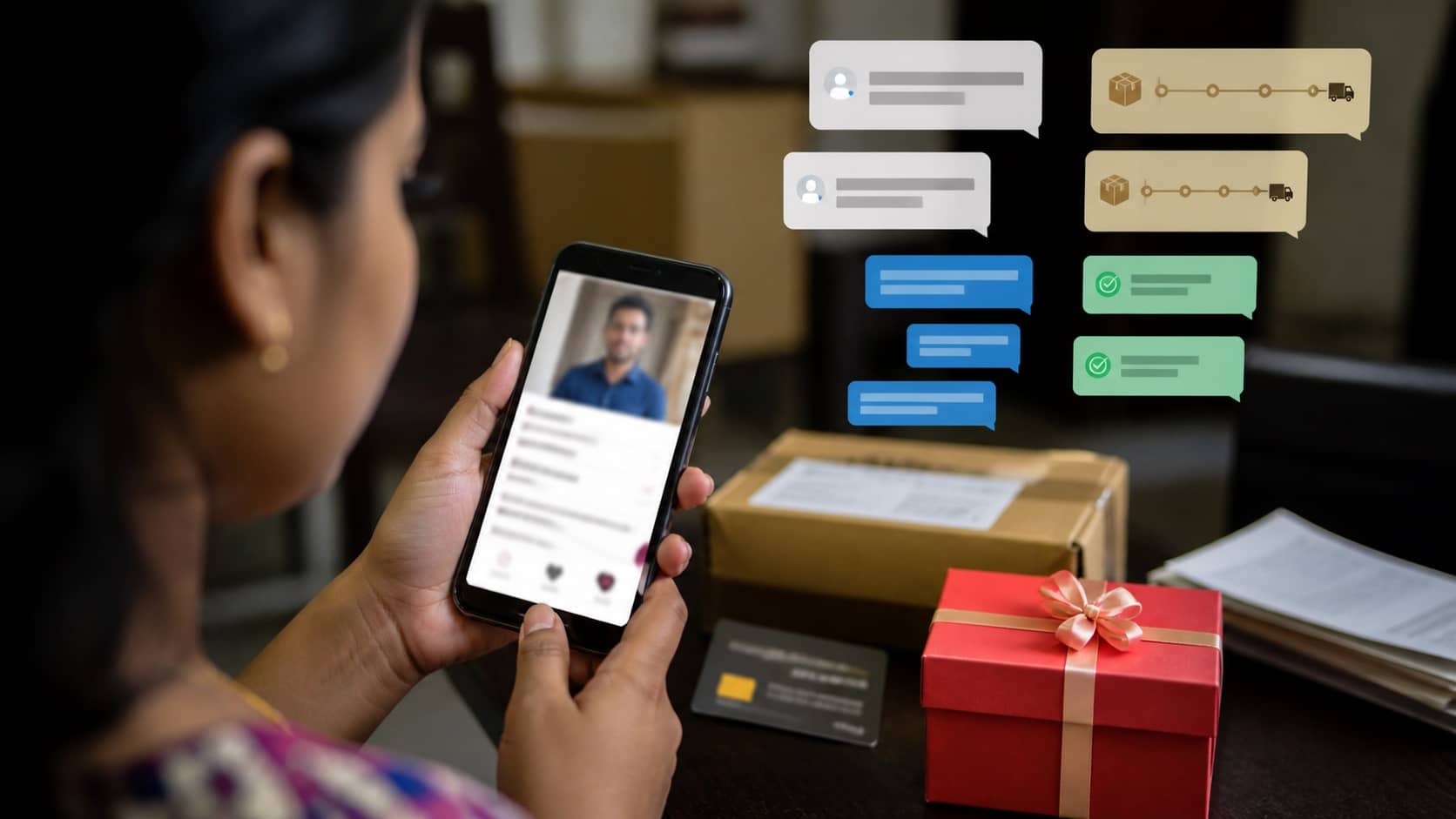
VARANASI: Chitaipur police have registered a case after a woman from Susuwahi said a man using a matrimonial website gained her trust with a false identity and induced her to transfer ₹7 lakh for the supposed clearance of an overseas gift parcel.
The complainant, a resident of Shivpuri Colony, told police that she connected with a profile on Jeevansathi.com whose user identified himself as Prashant Kumar and claimed to work in the United Kingdom. She said regular conversations began on July 18 and that he later told her he was sending luggage filled with gifts.
According to the complaint, she received information that the parcel had reached Mumbai International Airport. A website presented as a tracking page appeared to show its movement, while callers or messages demanded payments under customs and other clearance heads. The woman transferred a total of ₹7 lakh before becoming suspicious when further money was requested.
The facts are allegations under investigation. Police will need to trace the beneficiary accounts, phone numbers, domain registration and device records used in the operation. The person behind the profile may not be the individual shown in its photographs, and the name supplied online may have no connection to the actual offender.
This fraud pattern combines a relationship scam with a parcel scam. The first stage is emotional: frequent calls create familiarity and urgency. The second stage introduces a valuable gift that the victim did not request. The final stage uses an apparently official obstacle—customs duty, insurance, anti-money-laundering clearance or a refundable certificate—to turn trust into repeated payments.
Indian customs authorities do not ask an individual to transfer parcel fees into a stranger’s personal bank account after a romantic contact arranges a surprise shipment. A tracking page is not proof that a consignment exists; criminals can build a convincing website or send a cloned link. The courier should be verified using contact information obtained independently from the company’s official site.
Matrimonial platforms can reduce risk through profile checks and reporting tools, but users should conduct their own verification. A video call, professional email address or foreign phone number is not enough. Families can help by discussing a new match without judgement, because secrecy gives a fraudster more control. Any request for money should pause the interaction immediately.
If funds have just been transferred, the victim should call the national cybercrime helpline 1930 and report the transaction at cybercrime.gov.in as quickly as possible. Bank acknowledgements, chats, voice notes, profile screenshots and URLs should be preserved. Deleting the conversation in embarrassment may remove material investigators need.
The complainant approached police after the demand escalated, preventing an even larger loss. The case should also be read without blaming her for trusting a relationship prospect. These operations are engineered around patience and social pressure. The most effective defence is a firm rule shared by families and users: an online match who introduces a parcel, customs fee or emergency transfer has moved from courtship into a financial red flag.