Woman Found Dead After Family Disagreement; Police Begin Inquiry
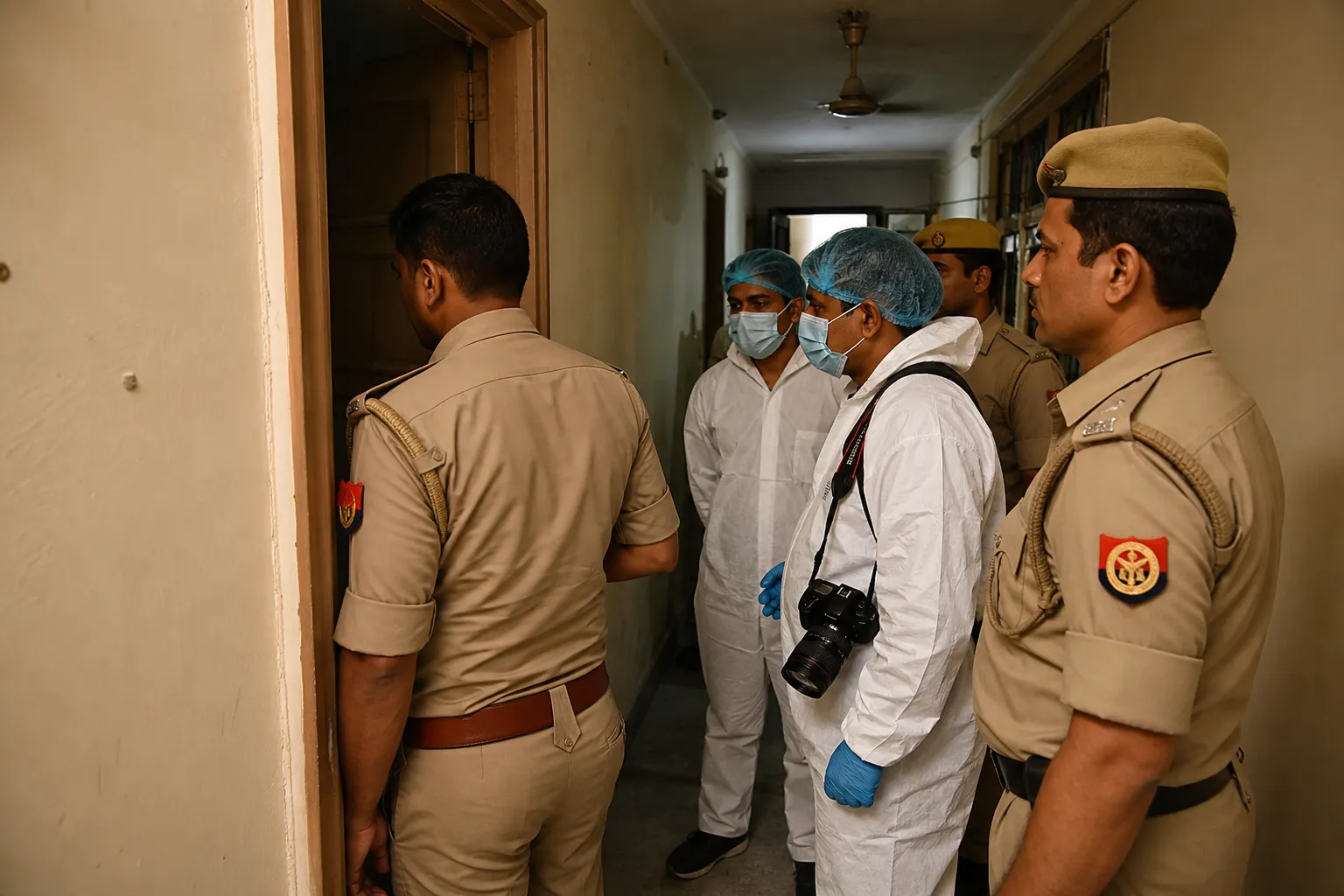
Varanasi, July 26, 2026: A woman was found dead at her residence following a reported family disagreement over mobile-phone use, prompting a police investigation.
Police and a forensic team reached the home, examined the scene and began gathering information from family members. The disagreement is part of the circumstances being examined and should not be treated as the sole or confirmed cause of the death.
Investigators will consider all relevant factors before reaching a conclusion. The woman’s privacy and that of her family are being respected.
If you or someone you know is struggling, seek immediate support from a trusted person or a qualified mental-health professional.
A family disagreement may form part of the timeline, but it should not automatically be treated as the cause of a death. Personal crises are usually complex, and a single argument cannot explain a person’s state of mind. Investigators will need to distinguish verified events from assumptions, examine relevant communications and record statements with care. If forensic or medical findings are obtained, they should be interpreted by qualified professionals rather than through speculation.
Responsible coverage of such a case must protect the woman’s dignity and the privacy of her relatives. Details of the method, distressing images and unverified personal allegations serve no public-interest purpose and can cause additional harm. The identities of family members should not be used to invite online blame. Any claim of harassment, pressure or wrongdoing must be supported by evidence and tested through the legal process.
Police inquiries into an unexplained death commonly include an inspection of the place where the person was found, preparation of the required records, a post-mortem examination where directed and statements from relevant people. Phones or messages may be examined only through lawful procedure. These steps are intended to establish facts, not to confirm a theory formed in advance.
The incident is also a reminder to take signs of severe emotional distress seriously. A person who speaks about hopelessness, withdraws suddenly or appears unable to cope should not be left to manage the crisis alone. A trusted family member, friend, medical professional or local emergency service can be contacted, and the immediate environment should be made safe. Listening without judgment and arranging professional support can be more helpful than arguing or offering simple explanations.
People affected by news of a death may experience shock, guilt or anger. They should be given space to grieve and should avoid circulating messages, photographs or private conversations said to involve the deceased. Unverified material can compromise both the family’s privacy and the police inquiry.
Authorities are expected to provide further information only after the relevant evidence has been reviewed. At present, the verified position is that a woman was found dead after a reported family disagreement and that police have started an inquiry. The final determination of the cause and any legal responsibility must rest on medical findings, documented evidence and the appropriate legal process.
Related Stories
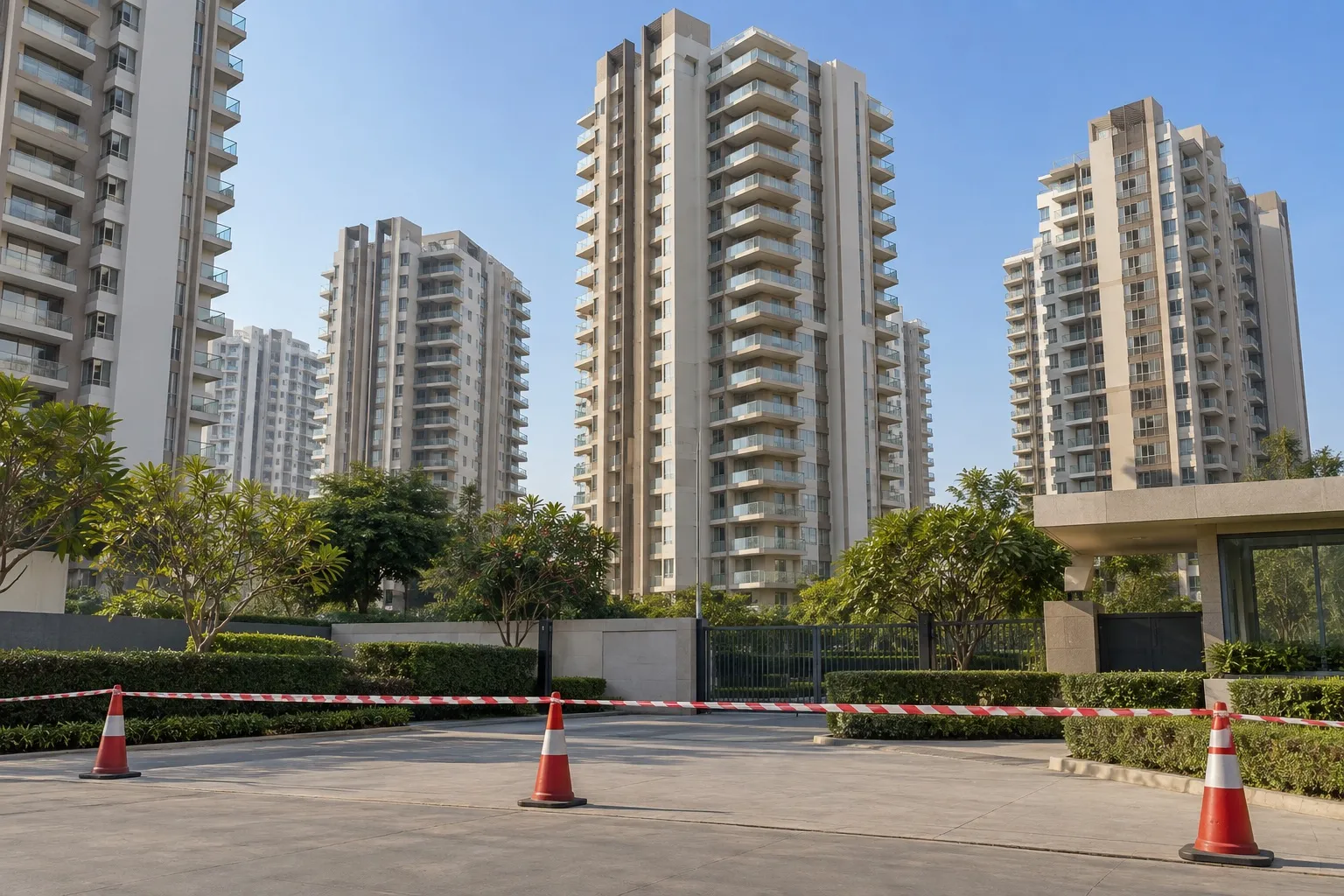
Supreme Court Sets January 1 Deadline to Vacate Unsafe Chintels Flats
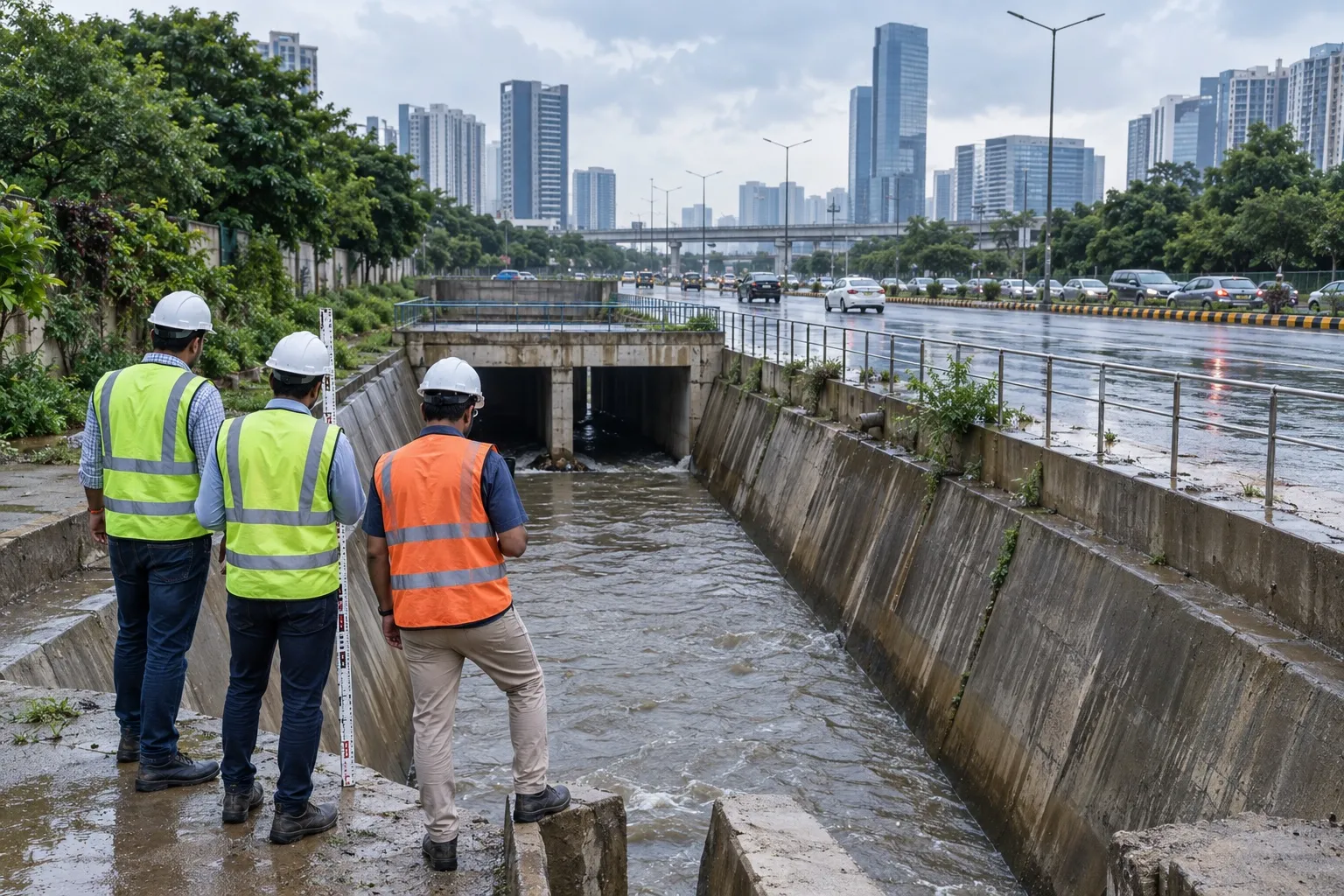
Human Rights Panel Orders Citywide Audit of Gurugram Drains

Manesar Demolishes Unauthorised Concrete Plant in Nawada

MCG Cuts Small-Load Construction Waste Fee to Rs 50 Per Tonne

Gurugram Sanitation Workers Return as Haryana Strike Ends